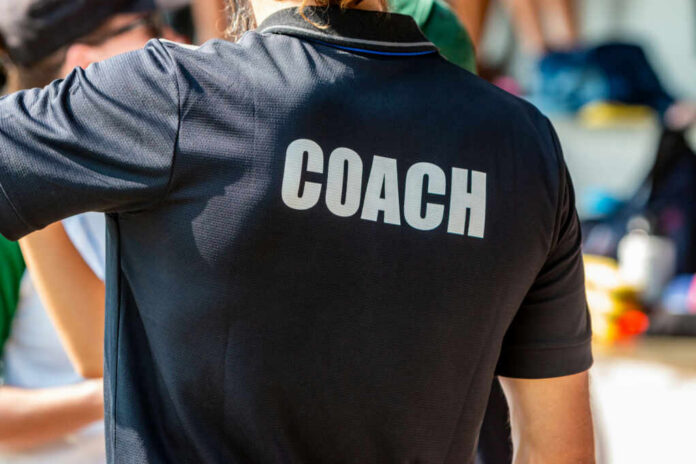
The same sport that leaves you sweaty, sore, and trash-talking at midcourt might also be the missing switch for deeper, easier sleep.
Story Snapshot
- A new review links team sports like soccer and volleyball with better sleep quality and habits[1]
- Exercise alone helps sleep, but social connection and routine may stack extra benefits[3][4][7][8]
- The evidence is promising but not proof that team sports beat solo workouts[1][3][4][7]
- Simple choices about timing, intensity, and league culture decide whether the sport knocks you out or keeps you wired[3][4][7]
Team sports show real promise as a sleep upgrade, but not a magic bullet
A recent systematic review in Frontiers in Sports and Active Living pulled together studies on adults playing soccer, Zumba, volleyball, and handball and found that, overall, people in team sport programs reported better sleep quality than control groups[1]. Several of these programs showed clear gains in how long people slept and how rested they felt, especially when the sport was done regularly each week[1]. That is the spark behind the claim that your rec league could double as a sleep program.
The same research also offered a key dose of reality. The authors stressed that the evidence base is still small, messy, and far from perfect[1]. Sample sizes were limited, measurement tools varied, and follow-up periods tended to be short[1]. Some sports, like basketball, showed inconsistent results from one study to another[1]. That matters for anyone tempted to say team sports are proven to beat a solo jog, because the science has not tested that head-to-head in a strong way yet[1][3].
Exercise clearly helps sleep; whether the team adds “extra” is the open question
Outside the team sport niche, the broader exercise and sleep story is much more solid. A large review in Nature reported that regular physical activity improves sleep quality and reduces symptoms of many sleep disorders, including insomnia and sleep apnea[3]. Another study in a medical journal found that people who are consistently active fall asleep faster and have better overall sleep quality than sedentary peers[4]. Johns Hopkins Medicine states that there is “solid evidence” that exercise helps you fall asleep more quickly and improves sleep quality[7].
That broad foundation explains why both sides in this debate start from the same basic point: move your body and your sleep tends to improve[3][4][7]. Where the disagreement starts is over whether team sports add something uniquely powerful on top of that baseline. To settle that, researchers would need studies that directly compare a team sport program with a solo exercise program that matches for time and intensity and then track sleep outcomes[3]. Right now, those direct comparison trials are almost entirely missing, which means the “team sports are uniquely better” claim is an educated guess, not a settled fact[1][3][4][7].
Why the team format still makes sense as a “sleep hack” for real people
Even if scientists have not proved a special team-sport effect, the logic for everyday life is strong. Group activity brings a social boost that goes way beyond calories burned. A report from UCLA Health found that people who often join group hobbies or team sports tend to report better sleep than those who stay socially isolated[8]. Other work on sports and mental health shows that team play builds mood, social connection, and a sense of belonging, all of which reduce stress and ease the transition to sleep[2].
For many adults, the real problem is not knowing that exercise helps sleep; it is sticking with exercise long enough to feel the benefit. Team sports can quietly solve this discipline problem. When teammates expect you to show up, you show up. League schedules force a regular weekly rhythm, which supports a more stable body clock[3][4][7].
The catch: timing, intensity, and stress can flip the effect
Not every game under bright lights leads to a calm night. Research on athletes shows that evening matches and late travel can delay melatonin production and cut into deep and rapid eye movement sleep, which are the most restorative stages[7]. A separate study comparing team and individual sport athletes found that team athletes often reported worse sleep quantity and quality, likely because of late games, aggressive schedules, and higher emotional arousal around competition[8]. That should make any adult league player pause before treating every sport format as sleep-friendly.
Exercise timing matters for non-athletes too. Reviews on physical activity and sleep warn that hard workouts too close to bedtime can keep some people awake by raising body temperature and stress hormones[3][4]. Health systems advise ending vigorous exercise at least three hours before sleep for most people[6]. That means the same basketball game that helps your sleep if it tips off at 6 p.m. might hurt it if the final whistle blows at 10:30 and you are still replaying bad calls at midnight.
How to use team sports as a realistic sleep tool in midlife
A practical takeaway for the rushed, phone-tired adult is simple. Any regular exercise is a win for sleep; choosing a team format may make it easier to stay consistent because it taps your need for connection and accountability[2][3][4][7][8]. If you aim to use team sports as a sleep tool, choose leagues that play earlier in the evening, keep intensity moderate on work nights, and treat trash talk as fun, not warfare, so stress stays low[3][4][7][8]. That is not hype. It is just biology plus human nature, working on the same side.
Sources:
[1] Web – Could This Type Of Sport Be The Unexpected Key To Better Sleep?
[2] Web – Effects of team sports on sleep quality: a systematic review – …
[3] Web – How can group physical activity and team sports benefit our mental …
[4] Web – The impact of exercise on sleep and sleep disorders – Nature
[6] Web – Exercising for Better Sleep: 5 Reasons It Works – Healthline
[7] Web – Sleep, Athletic Performance, and Recovery – Sleep Foundation
[8] Web – Exercising for Better Sleep | Johns Hopkins Medicine