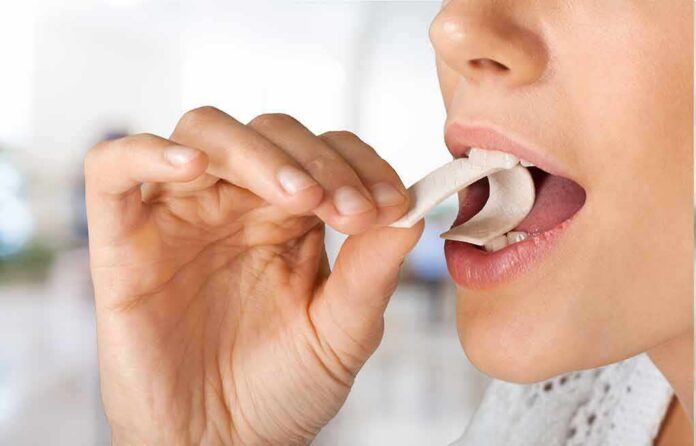
A simple stick of gum just trapped 93% of a cancer-linked virus in human saliva, and the scientists behind it built it from a bean.
Story Snapshot
- Penn researchers built a chewing gum using FRIL, a natural antiviral protein from lablab beans.
- Lab tests showed the gum aggregated 93% of HPV in saliva and 80% in oral-rinse samples.
- A version with an added antimicrobial peptide cut two cancer-linked bacteria by more than 99%.
- The findings come from early lab testing, not a full clinical trial on patient outcomes.
A Bean Protein Takes Aim At A Dangerous Virus
Scientists at the University of Pennsylvania School of Dental Medicine built their gum around FRIL, a protein naturally found in lablab beans. Henry Daniell led the team that turned this plant compound into a tool against human papillomavirus, or HPV, a virus tied to head and neck cancers. Early lab work had already shown bean gum could fight viruses, and this study pushed that idea further with real patient samples.
The results, published in Scientific Reports, showed the gum extract aggregated 93% of HPV found in saliva samples. In oral-rinse samples, the reduction reached 80%. Aggregation means the virus particles clump together, making them easier for the body to clear out through normal saliva flow and swallowing, rather than letting them linger and infect new cells in the mouth and throat.
Adding A Second Weapon Against Harmful Bacteria
Researchers did not stop at HPV. They engineered a second version of the gum with protegrin-1, an antimicrobial peptide, added to the bean-based formula. This combination targeted two bacteria strongly linked to poor cancer outcomes: Porphyromonas gingivalis and Fusobacterium nucleatum. A single dose of this gum reduced both bacteria by more than 99% in saliva and oral-rinse samples, based on tests involving 42 participants.
Those two bacteria matter because they show up again and again in patients with head and neck squamous cell carcinoma, a cancer type tied to tobacco use, alcohol, and HPV infection. Doctors have long flagged poor oral bacterial balance as a warning sign in cancer patients. A gum that can knock down those bacterial levels with one dose offers a low-cost, easy-to-use option worth watching closely.
Why A Lab Result Is Not The Same As A Cure
These numbers come from ex vivo testing, meaning researchers examined saliva and oral-rinse samples outside the body in a lab setting, not from tracking patients over months or years. That distinction matters. Federal drug regulators have long warned that a lab marker, no matter how impressive, is not proof that a treatment improves how patients actually feel or live longer.
The Food and Drug Administration (FDA) calls these lab markers surrogate endpoints. A surrogate endpoint can be biologically believable and still fall short of proving real-world benefit. Regulators generally require years of additional studies before accepting that a lab number predicts patient health. Reduced HPV signal in a test tube is a promising clue, not a finished treatment, and researchers have not claimed otherwise.
What This Could Mean For Everyday Prevention
Still, the appeal is obvious. Head and neck cancer rates tied to HPV have climbed in recent years, and current prevention mostly relies on vaccines given to children and teens before exposure. A gum people could chew daily, made from an affordable bean protein, offers a low-tech option that could complement vaccination rather than replace it.
Researchers now face the harder road ahead: testing whether lowering HPV and bacterial levels in saliva actually lowers a patient’s cancer risk over time. That requires larger trials, longer follow-up, and comparison against people who do not use the gum. Until then, this remains a genuinely exciting early finding built on solid science, not yet a proven shield against cancer.
A surprising new weapon against microbes linked to head and neck cancer could be as simple as chewing gum. Scientists developed a bioengineered gum that reduced HPV levels by up to 93% in oral samples from cancer patients and nearly eliminated two harmful https://t.co/JQ1HZuQXQy
— Michael W. Deem (@Michael_W_Deem) November 11, 2026
What stands out most is the practicality of the approach. Unlike expensive drug therapies, a bean-based gum could be manufactured cheaply and distributed widely, especially in regions where cancer screening and vaccination access lag behind. That kind of low-cost innovation deserves serious follow-up funding and attention from health agencies looking for affordable prevention tools.
Sources:
news.samasays.com, penntoday.upenn.edu, nature.com, pharmacytimes.com, trial.medpath.com, fda.gov