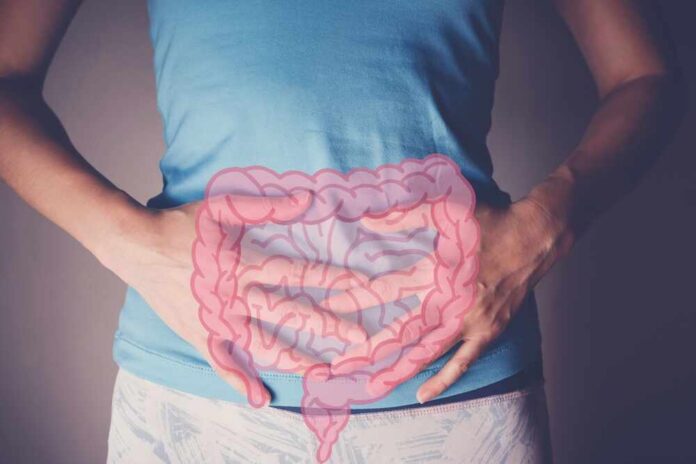
The bacteria living in your gut may hold more sway over your mood, anxiety levels, and cognitive function than you ever imagined possible.
Story Snapshot
- The gut-brain axis is a bidirectional communication network where trillions of gut microbes directly influence mental health through neural, immune, and hormonal pathways
- Recent research on 2,539 adults identified specific bacterial populations linked to depression, with overgrowth of Eggerthella and depletion of Subdoligranulum consistently correlating with depressive symptoms
- Therapeutic approaches now include dietary interventions, probiotics, and lifestyle modifications alongside traditional psychiatric treatment, marking a paradigm shift in mental health care
- Mental health clinicians are being urged to assess gut health during patient intake, though implementation requires increased professional education and training protocols
The Hidden Communication Highway Between Your Stomach and Your Mind
The microbiota-gut-brain axis operates as a complex, bidirectional communication network linking your central nervous system with your gastrointestinal tract. This isn’t some fringe theory whispered in wellness circles. The vagus nerve and enteric nervous system provide direct communication channels between gut and brain, regulating not just digestion but mood, behavior, and stress responses. Gut microbiota produce short-chain fatty acids, neurotransmitters, and bioactive compounds that modulate inflammation, blood-brain barrier integrity, and cognitive function. The system involves hormones, immune cells, and neurotransmitters working in concert, enabling constant dialogue between these supposedly separate body systems.
While earlier observations hinted at gut-brain connections, systematic scientific investigation has intensified dramatically over the past decade. Research momentum accelerated from 2015 onwards, culminating in landmark studies that provided empirical evidence linking specific bacterial populations to depression and other mental health conditions. What makes this discovery particularly compelling is how it challenges the traditional separation of mental and physical health treatment, forcing a reconsideration of how we approach psychiatric care.
The Bacterial Culprits Behind Your Depression
UCLA Health researchers examined data from 2,539 adults and found consistent connections between certain populations of bacteria in participants’ guts and their mental health questionnaire responses. Two bacterial populations emerged as particularly significant. Eggerthella, when overgrown, showed clear links to depression, confirming patterns observed in previous research. Subdoligranulum, when depleted, correlated with depressive symptoms. The dietary connection proves equally revealing: omega-3 fatty acids support populations of Subdoligranulum, suggesting that what you eat directly influences which bacterial populations thrive or diminish in your gut.
The mechanisms underlying these connections operate through multiple pathways. Dysbiosis, or imbalances in gut microbiota, influences immune system function, metabolism, and neurotransmitter regulation and synthesis. Microbial metabolites affect the blood-brain barrier, while inflammation triggered by dysbiosis impacts cognitive processes. The gut-brain axis is closely linked to the body’s stress response, creating a bidirectional relationship where stress influences gut microbiota composition, which in turn affects stress-related hormones and neurotransmitters. This creates feedback loops that can either support mental health or perpetuate dysfunction.
From Research Lab to Clinical Practice
Therapeutic approaches targeting the brain-gut axis represent an emerging and promising area of research. Strategies now include dietary changes, probiotics administration, psychological interventions, pharmacological treatments, exercise, and emerging therapies such as fecal microbiota transplantation. The scope extends beyond depression and anxiety. Growing evidence links gut-brain axis dysfunction to neurological conditions including Alzheimer’s and Parkinson’s diseases, as well as psychiatric disorders like bipolar disorder and schizophrenia. Evidence suggests the gut-brain axis may be a starting point for conditions like Parkinson’s disease, opening intervention pathways that were previously unconsidered.
Mental health providers are being encouraged to assess gut health during intake and screening processes, though this requires increased professional education and training. Wider recognition and acknowledgement of the gut-brain axis role in mental illness is critical among mental health clinicians and healthcare providers. The shift demands more than acknowledgment; it requires practical implementation protocols that most training programs haven’t yet developed. A holistic approach that targets biopsychosocial factors can positively influence the microbiota-gut-brain axis, incorporating cognitive training, physical exercise, balanced diet, meaningful social activities, and proactive health monitoring.
What You Can Do Today
Gut microbes feed on the fiber in our diets, making vegetables, leafy greens, fruit, nuts, grains, and legumes critically important. A balanced diet supports not only physical health but also mental health, making dietary intervention a practical, evidence-based component of comprehensive mental health treatment strategies. The dietary connection offers something rare in mental health treatment: an intervention with minimal side effects that patients can implement immediately without waiting for insurance approval or specialist appointments. This democratizes access to mental health support, particularly for populations with limited access to traditional psychiatric care who might benefit from dietary interventions.
The long-term implications suggest a treatment paradigm shift. Comprehensive understanding of microbiota composition and mechanisms involved in gut-brain interactions could shape future medical and therapeutic approaches. Prevention strategies may shift toward preventive mental health care through dietary and lifestyle optimization rather than waiting for crisis intervention. Healthcare systems seeking to improve treatment outcomes are watching closely, recognizing that integrating gut health assessment could enhance efficacy while potentially reducing long-term costs associated with treatment-resistant conditions.
The Uncertainties That Remain
While correlations between specific bacteria and mental health conditions are established, causality remains an area requiring further research. Do bacterial imbalances cause mental health conditions, or do mental health conditions create environments where certain bacteria thrive? Long-term efficacy of probiotic and dietary interventions requires additional longitudinal studies. Implementation protocols for mental health providers integrating gut health assessment are still being developed. The relative contribution of the gut-brain axis versus other factors in mental health conditions requires further clarification. These gaps don’t diminish the significance of current findings but highlight the need for continued rigorous investigation before wholesale changes to treatment protocols.
Sources:
Microbiota-Gut-Brain Axis: A Narrative Review of the 10 Years of Research
Research Says Gut-Brain Axis Plays Role in Mental Health
The Gut-Brain Axis: A Call on Mental Health Providers
Gut-Brain Connection: Long COVID, Anxiety, Parkinson’s