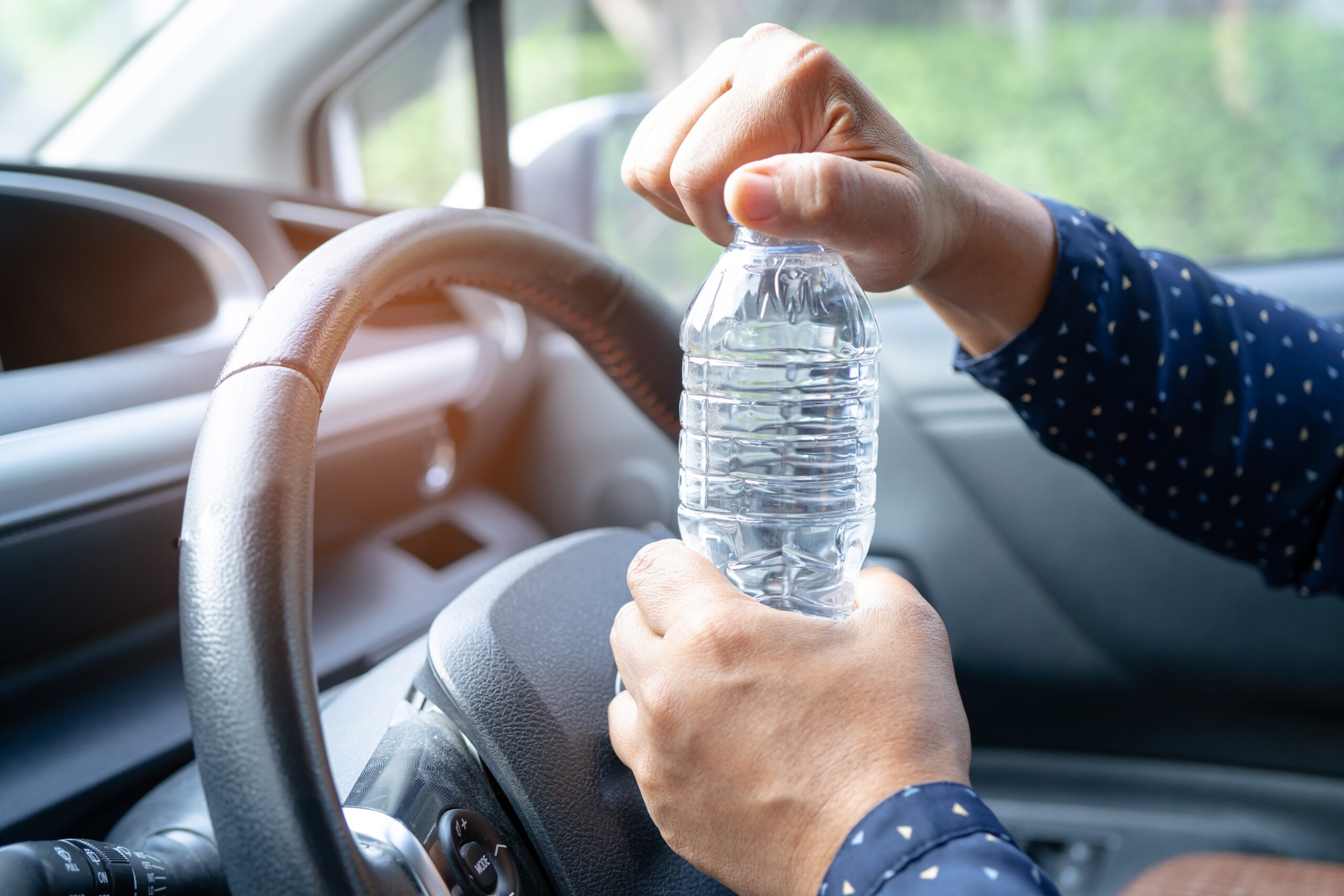
Bottled water, long marketed as a safer alternative, now faces serious scrutiny as new research exposes alarming levels of invisible contaminants threatening Americans’ health.
Story Snapshot
- Landmark studies discovered up to 240,000 nanoplastic particles per liter in bottled water, far exceeding previous estimates.
- PFAS “forever chemicals” were found in some bottled water samples, though currently below federal limits.
- Bottled water is subject to weaker FDA oversight compared to EPA standards for tap water, raising transparency concerns.
- Experts warn that the long-term health impacts of chronic exposure to nanoplastics and PFAS remain uncertain.
Advanced Studies Reveal Hidden Dangers in Bottled Water
In early 2025, scientists published conclusive evidence that bottled water contains shockingly high levels of nanoplastics—up to 240,000 microscopic fragments per liter. This figure dwarfs previous estimates and is a direct result of new, more sensitive detection technologies. The industry’s decades-old claim that bottled water is purer than tap water is now under heavy fire as researchers directly compare contaminant loads in both sources. These findings have upended the conventional wisdom for millions who trusted bottled water for their families.
New research reveals what’s really hiding in bottled water https://t.co/rR3MkNPY0w
— Zicutake USA Comment (@Zicutake) October 6, 2025
The FDA’s much-anticipated 2025 report revealed that per- and polyfluoroalkyl substances, or PFAS—dubbed “forever chemicals” for their persistence in the environment and the body—are present in some bottled water brands. While these levels did not exceed new EPA limits, the mere presence of PFAS has reignited concerns about regulatory gaps and the adequacy of government standards. The FDA has pledged continued monitoring, but many Americans remain skeptical, recalling years of bureaucratic delay and industry lobbying that have left genuine risks unaddressed.
Watch: Plastic water bottles’ risks is dangerously understudied
Regulatory Oversight Lags Behind Science
Bottled water is regulated by the FDA, not the EPA, resulting in a patchwork of standards that often favor industry convenience over consumer safety. Advocacy organizations and independent scientists warn that this regulatory gap not only undermines consumer confidence but also leaves American families vulnerable to contaminants that would be unacceptable in municipal water supplies. Calls for harmonized, science-based standards have grown louder as the evidence mounts. The lack of transparency and clear labeling further erodes trust, especially among families who prioritize health and safety in everyday choices.
Health Risks and the Push for Accountability
The scientific community admits that long-term effects remain poorly understood due to a lack of comprehensive studies. In the absence of clear answers, Americans are left to navigate risk with limited guidance, fueling anxiety and frustration. Short-term impacts are already evident—public concern is rising, bottled water sales face new headwinds, and lawmakers are under pressure to close regulatory loopholes. In the long run, this issue could reshape not only the beverage industry but also national policy on plastics, packaging, and consumer protection. For a nation that values self-reliance and transparency, the bottled water controversy is a wake-up call about the dangers of trusting big business with our most basic resources.
Sources:
FDA shares testing results for PFAS in bottled water
UCLA Health: The truth about nanoplastics in bottled water
Is Tap Water Safe to Drink? (Food & Wine via UD WRC)
Scientists Warn Bottled Water May Pose Serious Long-Term Health Risks