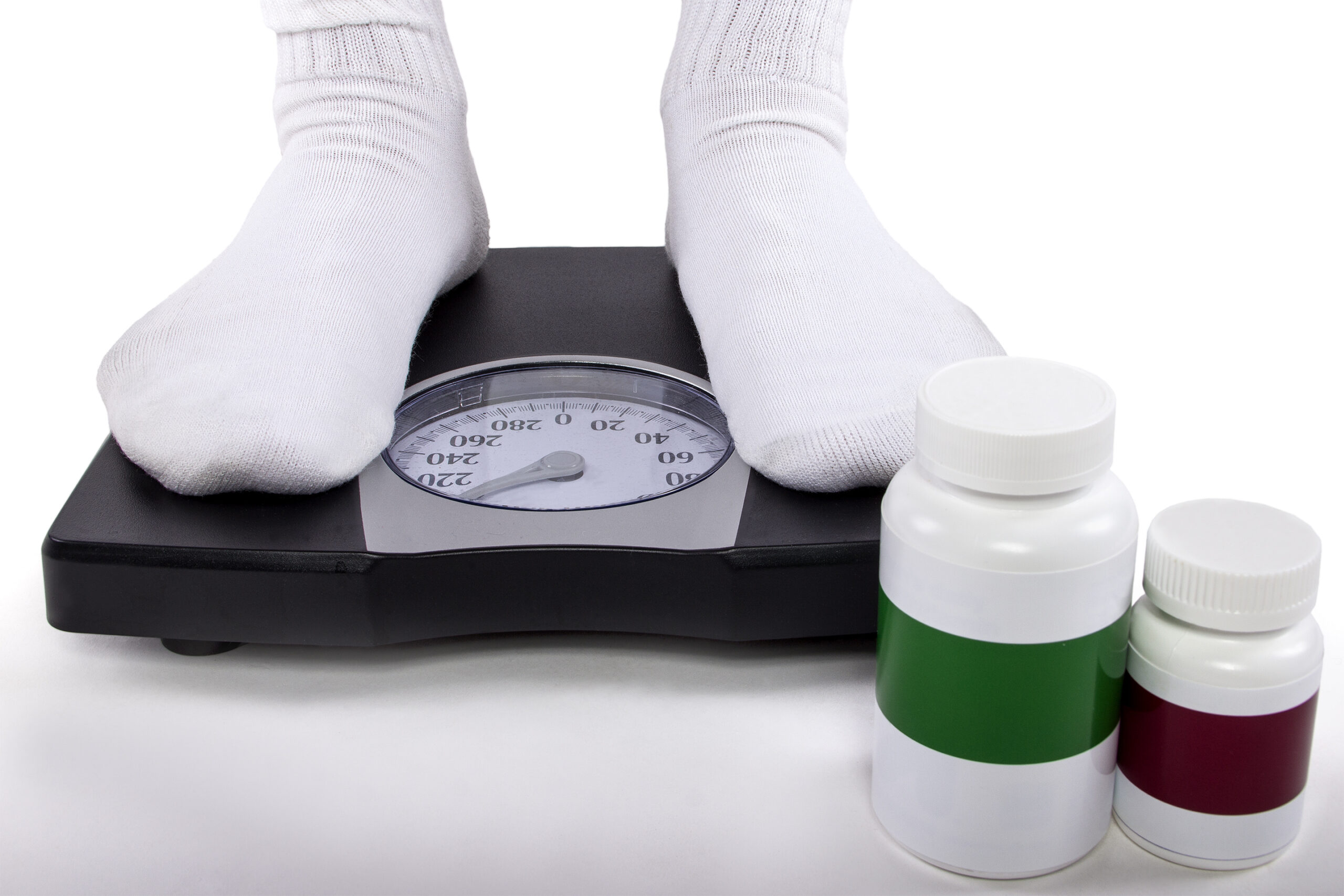
The American dream of rapid weight loss has spawned a nightmare market where desperate consumers are gambling with their lives on unregulated drugs that could kill them.
Story Snapshot
- Gray-market weight-loss drugs flood US market as official shortages create dangerous alternatives
- Unregulated GLP-1 drugs sold online bypass FDA safety standards with unknown ingredients and dosing
- Mental health risks escalate as contaminated products worsen eating disorders and mood conditions
- FDA resolves official shortages but warns consumers about ongoing counterfeit drug dangers
The Perfect Storm Behind America’s Drug Crisis
The surge began in 2022 when legitimate GLP-1 receptor agonists like Ozempic and Wegovy became the holy grail of weight loss. These diabetes medications proved remarkably effective at shedding pounds, creating unprecedented demand that manufacturers couldn’t meet. Supply shortages persisted through 2024, forcing desperate Americans into the shadowy world of online pharmacies and social media dealers.
The FDA officially declared shortages resolved by February 2025, but the damage was done. A thriving black market had emerged, exploiting Americans’ desperation for quick fixes. Online vendors and overseas pharmacies now flood social media platforms with unregulated versions, often marketed as “research chemicals” or labeled “not for human consumption” to skirt federal oversight.
Watch: Buyer Beware! Experts warn about dangers of black market weight loss meds
Hidden Dangers in Every Dose
These gray-market alternatives represent a medical Russian roulette. Without FDA oversight, products may contain incorrect dosing, contaminated ingredients, or entirely different compounds. Behavioral health experts warn that individuals with eating disorders or mental health vulnerabilities face amplified risks, as unregulated formulations can trigger severe psychological episodes and worsen existing conditions.
The physical dangers are equally alarming. Legitimate GLP-1 drugs undergo rigorous testing for safety, efficacy, and quality control. Gray-market versions skip these safeguards entirely, potentially causing unpredictable gastrointestinal distress, dangerous blood sugar fluctuations, and unknown long-term health consequences that won’t surface until it’s too late.
Dangerous 'gray-market' weight-loss drugs flooding US as experts warn of risks https://t.co/znsItAdSSS
Dont forget to Join https://t.co/k1spYPHIl9— News Span Media (@newsspanmedia) October 7, 2025
The Enforcement Challenge
Federal regulators face an uphill battle against this digital drug trade. Online vendors operate across international borders, making prosecution difficult. Social media platforms struggle to identify and remove illegal pharmaceutical advertisements disguised as wellness content. Even legitimate compounding pharmacies, which legally filled gaps during shortages, now operate in regulatory gray areas as oversight tightens.
The FDA continues issuing warnings and clarifying policies, but enforcement remains reactive rather than preventive. By the time dangerous products are identified and removed, new vendors have already emerged to fill the void, creating a perpetual game of regulatory whack-a-mole.
Sources:
Montare Behavioral Health: Analysis of gray-market GLP-1 drug risks
FDA’s Concerns About Unapproved GLP-1 Drugs Used for Weight Loss
FDA Clarifies Policies for Compounders as National GLP-1 Supply Begins to Stabilize
Tufts Chemists Design Next-Generation Weight Loss Drugs