Eating more than 40 grams of protein in a single meal provides zero additional muscle-building benefits and may actually harm your digestive system.
Story Overview
- The standard protein recommendation of 0.8g per kg of body weight is sufficient for 97% of healthy adults
- Athletes and active individuals need 1.2-1.7g per kg, while women may require up to 2.2g per kg during menopause
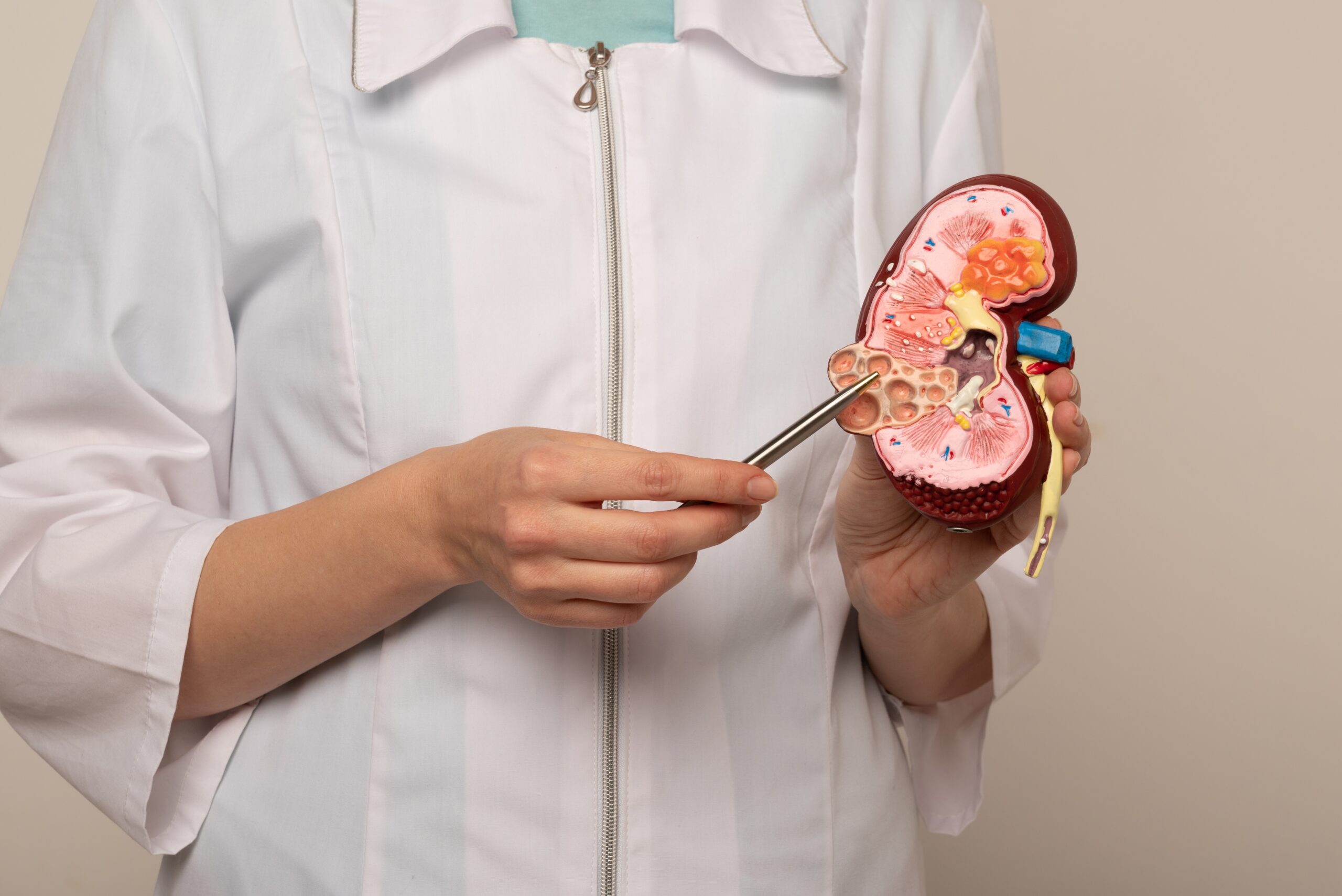
- Consuming more than 2g per kg daily offers no benefits and can strain kidneys in vulnerable populations
- Even distribution of 15-40g per meal every 3-4 hours optimizes muscle protein synthesis better than large doses
The 80-Year-Old Standard That Still Rules Nutrition
The Recommended Dietary Allowance for protein traces back to 1943 wartime research, establishing 0.8 grams per kilogram of body weight as the gold standard. This translates to roughly 46 grams daily for women and 56 grams for men on a 2,000-calorie diet. Despite eight decades of muscle-building mythology, this baseline remains unchanged because it prevents deficiency in 97-98% of healthy adults.
Major health authorities including the Mayo Clinic, American Heart Association, and National Academy of Medicine continue endorsing this foundation. The 2020-2025 Dietary Guidelines reinforced these recommendations amid a protein supplement market exceeding 20 billion dollars annually, emphasizing whole foods over powders and bars.
Why Your Age and Activity Level Change Everything
The one-size-fits-all approach crumbles when examining individual needs. Adults over 40 require 1.0-1.2 grams per kilogram to combat sarcopenia, the age-related muscle loss that accelerates after middle age. Athletes and highly active individuals need 1.2-1.7 grams per kilogram to support muscle repair and growth from intense training.
Women face unique challenges, particularly during perimenopause and menopause when hormonal changes demand 1.6-2.2 grams per kilogram according to recent research. Dr. Stacy Sims’ studies reveal that female physiology requires higher protein intake during luteal phases and hormonal transitions, challenging decades of male-centric nutrition research.
Watch:
Got a health question? Ask our AI doctor instantly, it’s free.
The Meal Timing Revolution That Maximizes Results
How you distribute protein matters more than total daily intake. Research demonstrates that consuming 25-40 grams per meal every 3-4 hours optimizes muscle protein synthesis. Your body can only process about 40 grams at once, making those massive post-workout protein shakes largely wasteful.
Houston Methodist dietitian recommendations cap intake at 1.7 grams per kilogram even for elite athletes, noting that exceeding 2.2 grams per kilogram daily provides zero additional benefits. Mass General Brigham sports medicine targets 30 grams minimum per meal for active individuals, emphasizing consistent distribution over mega-doses.
Free medical guidance, anytime. Start your chat today.
When More Protein Becomes a Problem
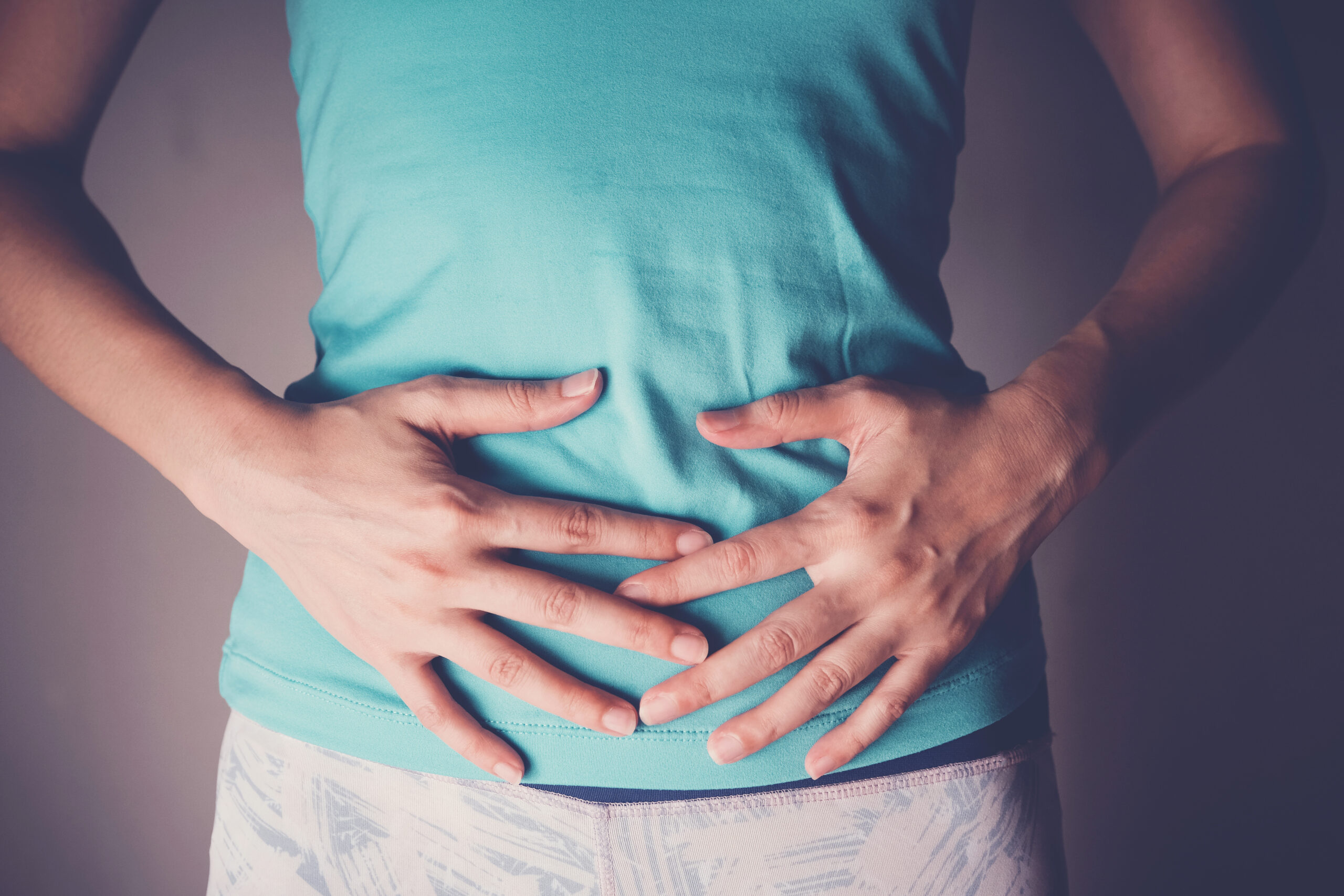
The fitness industry’s “more is better” mentality ignores digestive limits and potential health risks. Consuming over 40-50 grams per meal commonly causes gastrointestinal distress, bloating, and nutrient malabsorption. The American Heart Association warns that excessive protein intake can strain kidneys in people with existing kidney disease.
Practical protein needs for a 165-pound person range from 60 grams daily if sedentary to 124 grams if highly active. A deck-of-cards portion of lean meat provides roughly 25 grams, while a cup of Greek yogurt delivers 20 grams. These whole food sources offer superior nutrition profiles compared to isolated protein supplements with concerning lead contamination reports. Start your health journey in under a minute.
Sources:
Mayo Clinic Health System: Are You Getting Too Much Protein?
American Heart Association: Protein and Heart Health
Houston Methodist: How Much Protein Is Too Much?
University of Kansas Medical Center: Protein Benefits
Dr. Stacy Sims: Optimal Protein Intake for Women
Mass General Brigham: How Much Protein When Working Out
Dietary Guidelines for Americans 2020-2025
Tufts University: Should I Eat More Protein?