The same bacteria that drill cavities into your teeth may also help light the slow fuse of Parkinson’s disease deep inside your brain.
Story Snapshot
- A common cavity-causing bacterium, Streptococcus mutans, may help trigger Parkinson’s through an oral–gut–brain axis.
- This microbe’s metabolite, imidazole propionate, damages dopamine neurons in animal models via an mTORC1 pathway.
- Oral bacteria migrating into the gut are also tied to cognitive decline and dementia in people with Parkinson’s.
- Oral hygiene, gut health, and targeted microbiome therapies may become frontline tools in Parkinson’s prevention.
How A Cavity Bacterium Ended Up On Parkinson’s Most-Wanted List
Researchers in South Korea tracked an unlikely suspect: Streptococcus mutans, the familiar mouth bacterium blamed for tooth decay, turning up in the guts of people with Parkinson’s disease far more often than in healthy controls. This microbe carries an enzyme called urocanate reductase (UrdA), which churns out a metabolite, imidazole propionate (ImP), at elevated levels in Parkinson’s patients. That is not a casual association; it looks like a biochemical paper trail.
When scientists colonized mouse intestines with S. mutans or engineered E. coli to express UrdA, ImP levels spiked in the animals’ blood and brains. Those mice then developed hallmarks that mirror human Parkinson’s: loss of dopamine-producing neurons, activated brain immune cells, clumps of α‑synuclein protein, and clear motor problems. The damage depended on a key signaling hub called mTORC1. When researchers pharmacologically blocked mTORC1, neuron loss, inflammation, and motor symptoms all eased.
Harmful mouth bacteria may trigger Parkinson’s disease https://t.co/CUpZrBxrkL
— Un1v3rs0 Z3r0 (@Un1v3rs0Z3r0) January 7, 2026
The Oral–Gut–Brain Highway And Why Parkinson’s May Start Before Symptoms
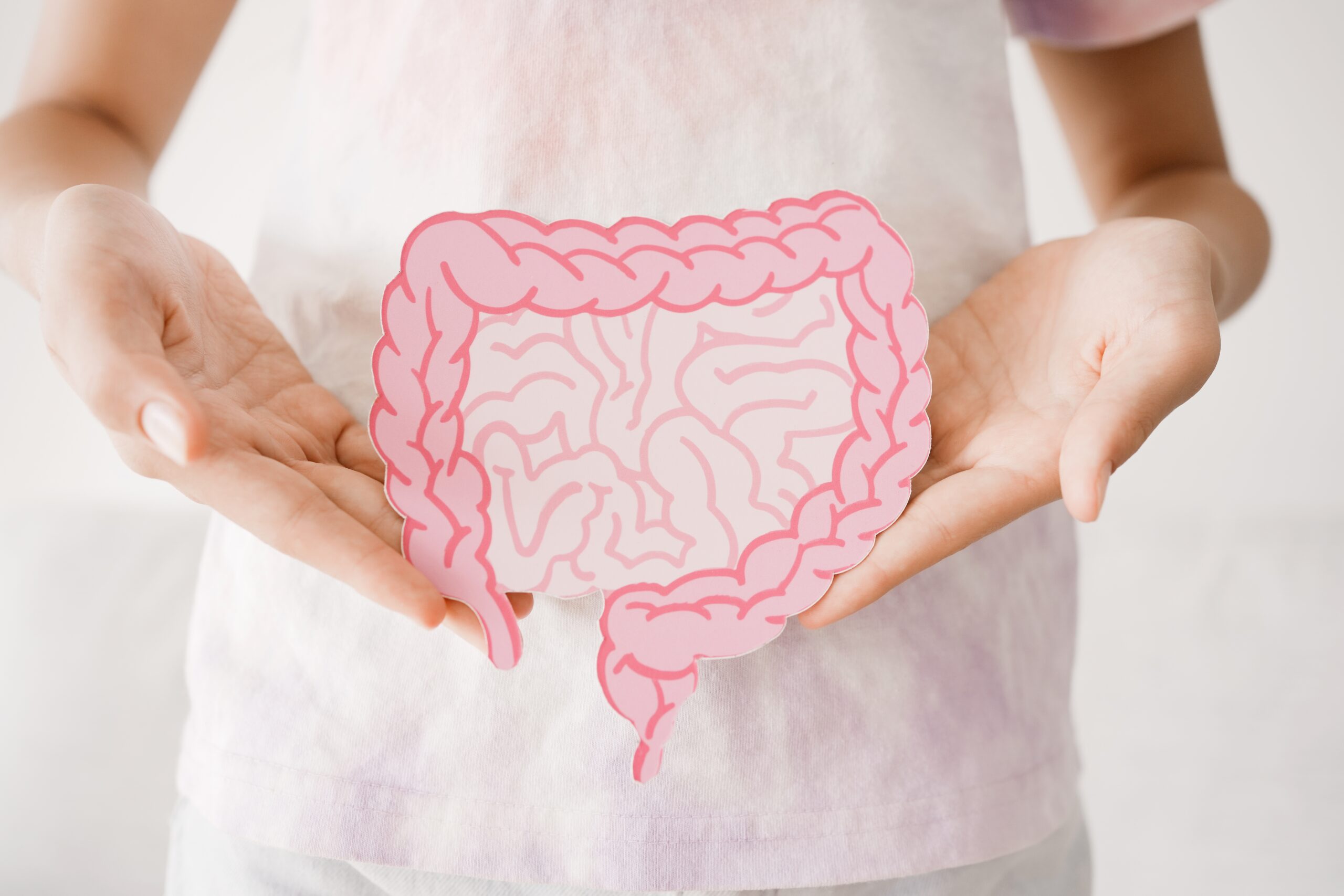
Parkinson’s has long been defined as a brain disease of dying dopamine neurons and misfolded α‑synuclein, but non-motor symptoms often show up years earlier in the gut. Constipation, gut inflammation, and altered intestinal bacteria frequently precede tremors and stiffness, which prompted a decade of work on the “gut–brain axis.” The newer twist is that the mouth may be seeding the gut with harmful bacteria, effectively extending that axis back one more step to an “oral–gut–brain” pathway.
A study of 228 people compared saliva and stool from healthy controls, Parkinson’s patients, and those with Parkinson’s plus mild cognitive impairment or dementia. The worse the cognition, the more oral-origin bacteria were found thriving in the gut. These migrants do not arrive empty-handed; they bring virulence factors—toxins and colonization tools—that damage the gut lining, fan inflammation, and potentially shape brain health. AI analysis tied specific virulence signatures to higher dementia risk in Parkinson’s.
Oral Dysbiosis, Cognitive Decline, And The Case For Taking Your Teeth Seriously
A systematic review in Frontiers pulled together global data and reached a blunt conclusion: people with Parkinson’s tend to harbor more pathogenic oral bacteria, and this oral dysbiosis probably contributes to both disease onset and symptom progression.[7] That review also flagged the oral microbiota as a promising non-invasive biomarker, a way to gauge risk and track cognitive decline using saliva instead of a spinal tap.
Dentistry is already reacting. Professional outlets are explaining how S. mutans and its metabolite ImP could connect everyday cavities to a chronic neurodegenerative disease. Neurologists and dentists, historically separate worlds, now share overlapping terrain. Researchers and commentators reasonably suggest putting more weight on basic oral hygiene—brushing, flossing, regular cleanings—not as miracle cures, but as low-cost insurance against a risk pathway that appears biologically credible.
Meet My Healthy Doc – instant answers, anytime, anywhere.
From Mechanism To Medicine: What This Could Mean For Future Care
Scientists now talk about an oral–gut–brain axis where a common mouth bacterium migrates to the gut, produces a metabolite, activates mTORC1, and helps drive Parkinson-like pathology. If that model holds in humans, several intervention points appear. Therapies could target S. mutans itself, neutralize ImP, or fine-tune mTORC1 activity in vulnerable brain regions.
Watch:
The evidence remains early. No approved Parkinson’s treatment yet works by modulating ImP, eradicating S. mutans from the gut, or precisely controlling mTORC1 in this context. Biomarker panels that combine oral and gut signals are still experimental. Yet moving from vague correlations to a testable mechanism is a major shift. For readers over 40, the unsettling takeaway is simple: your mouth is not just about your smile. It might be an upstream lever on your brain’s long-term survival.
Your instant doctor companion – online 24 hours a day.
Sources:
ScienceDaily – Harmful mouth bacteria may trigger Parkinson’s disease
Drug Target Review – Oral bacteria in gut could play role in Parkinson’s disease development
WV Dental & Oral Health – Pathway between oral bacteria, Parkinson’s disease identified
EurekAlert – Microbiome signatures of virulence in oral–gut–brain axis and Parkinson’s disease
Lewy Body Dementia Association – Gut health and Parkinson’s disease dementia: a hidden connection
PAACI – Changes in gut, mouth bacteria tied to Parkinson’s cognitive decline
Frontiers in Cellular and Infection Microbiology – Oral dysbiosis and Parkinson’s disease
Long Island Dental Specialty – The link between cavities and Parkinson’s disease