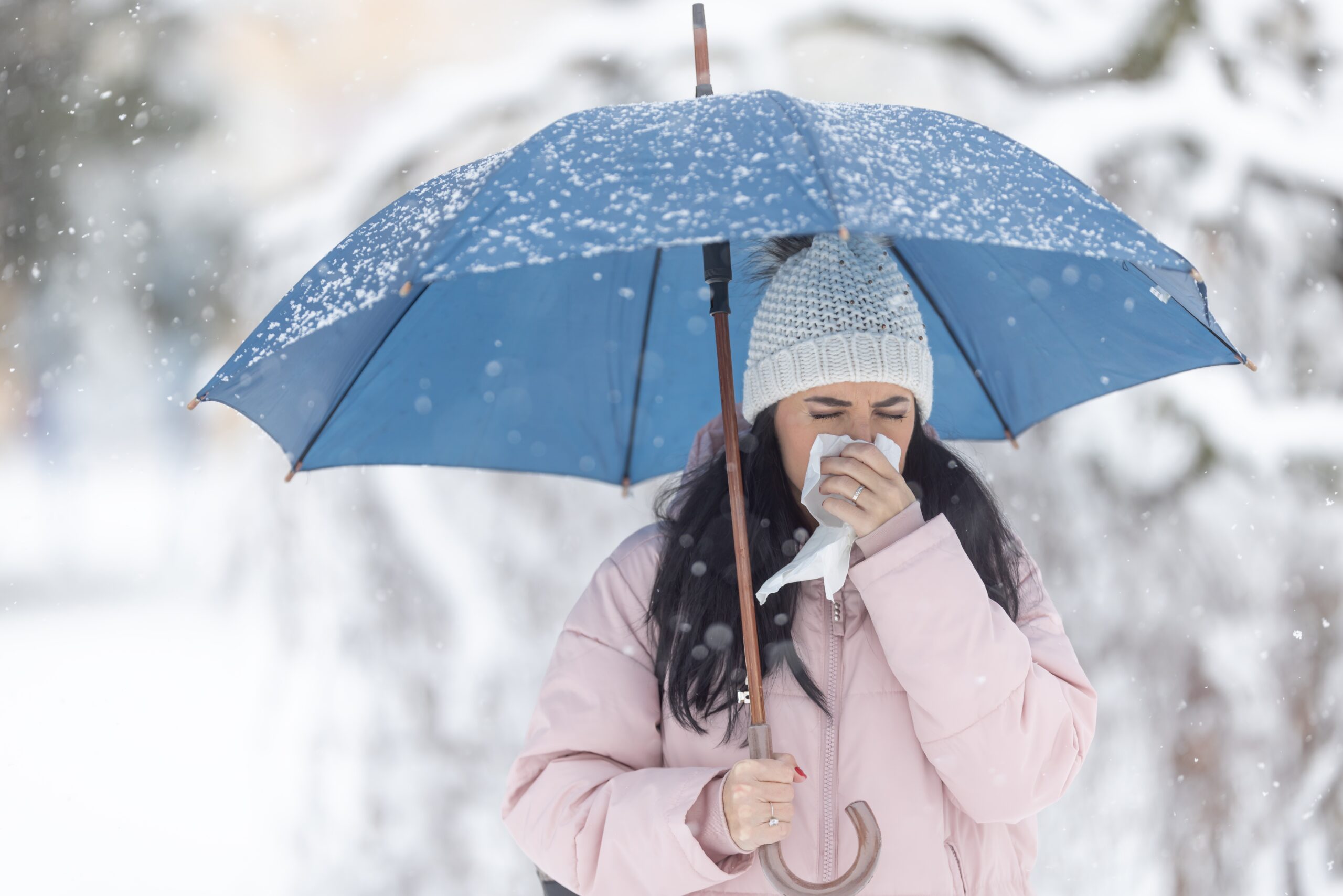
The most dangerous thing about flu is not the virus itself, but how casually we’ve agreed to live with what it does every single winter.
Story Snapshot
- Seasonal flu now drives nationwide hospital surges that many people still shrug off as “just a bug.”
- Real‑time data from the US and UK show hundreds of ICU beds filling in a single week with A(H3N2) cases.
- Flu and COVID can both trigger pneumonia, organ failure, and death; only one still gets treated like background noise.
- Low vaccination and “tough it out” culture quietly shift costs and risks onto hospitals, taxpayers, and the vulnerable.
Flu is a normalized mass‑casualty event, not a seasonal inconvenience
Public conversation treats flu like weather: unpleasant, predictable, and not worth getting too worked up about. Surveillance data from this winter tell a different story. In the United States, CDC modeling shows influenza activity climbing in 47 states by mid‑December, with the country “entering a period of higher risk” driven largely by A(H3N2) subclade K.[5] In plain language, that means more emergency rooms backed up, more ICU beds occupied, and more families blindsided by a virus they assumed was trivial.
England’s numbers match the same pattern. The UK Health Security Agency’s early January report classifies flu activity as “medium,” yet that “medium” week still included 835 new hospital admissions and 104 new ICU or high‑dependency admissions for influenza alone.[1] Those are not people popping ibuprofen at home; those are people on oxygen, on ventilators, and on the razor’s edge of survival. A supposedly moderate week quietly turned into hundreds of families fielding calls from critical care units.
Watch:
The clinical reality looks a lot more like COVID than a cold
Clinicians who see these patients do not confuse flu with a harmless nuisance. Tufts Medicine points out that while COVID can be more severe in some cases, that “by no means should downplay the seriousness of the seasonal flu,” especially for older adults and people with chronic conditions.[3] Mayo Clinic describes both flu and COVID leading to pneumonia, acute respiratory distress syndrome, organ failure, and dangerous inflammation of the heart and brain.[4] Bacterial superinfections after flu remain a classic, deadly one‑two punch.
The symptom picture has added to the confusion. Current COVID strains often look more like a bad cold, with sore throat and congestion up front, while this season’s flu tends to slam patients with abrupt high fever, severe body aches, and profound fatigue. To the public, that contrast reinforces the “COVID is special, flu is background” narrative. To emergency physicians, both viruses are different doors into the same ICU, just arriving with slightly different calling cards.
Got a health question? Ask our AI doctor instantly, it’s free.
Tripledemic winters expose who really pays the price for complacency
The pandemic years briefly showed what happens when society treats respiratory viruses as a serious, collective problem. Masks, distancing, and school closures nearly erased flu circulation in 2020–21, then left an immunity gap that helped fuel “rebound” seasons once measures lifted. By 2022–24, hospitals were talking about “tripledemics” of flu, RSV, and COVID, canceling elective procedures and scrambling to find pediatric ICU beds as viruses surged together.
This winter repeats that pattern in a quieter key. CDC’s FluView reports high flu activity nationwide, with emergency visits and hospitalizations for influenza‑like illness above seasonal baselines and multiple pediatric deaths, including Louisiana’s first child flu death of 2026, in a single reporting week. Johns Hopkins experts warn that concurrent waves of flu, RSV, COVID, and even measles can stretch hospital capacity, urging vaccination and staying home when sick as basic civic responsibility.
Watch:
Get fast, reliable health advice from your AI doctor now.
Undervaluing flu shifts costs onto the vulnerable and the taxpayer
Treating flu as a personal inconvenience rather than a population‑level threat has predictable winners and losers. Older adults, young children, pregnant women, and people with chronic heart, lung, or kidney disease carry the bulk of hospitalizations and deaths from seasonal flu. Low‑income communities, with higher exposure risks and lower vaccination rates, face disproportionate harm from the same virus others dismiss as a “24‑hour bug.” The bill for that attitude shows up in public hospital budgets, Medicare spending, and lost workdays across the economy.
Public health agencies are not demanding new lockdowns; they are asking for basic, low‑friction steps that match the actual risk. CDC’s outlook underscores vaccination, especially for high‑risk groups, and early antiviral treatment when symptoms hit.
Your instant doctor companion – online 24 hours a day.
Sources:
National flu and COVID-19 surveillance report: 8 January 2026 (week 2)
Flu symptoms 2026: How this year’s strain compares with COVID and a cold
COVID-19 vs. Flu
Coronavirus vs. flu: Similarities and differences
Respiratory Disease Season Outlook 2025–26 (December update)
US respiratory virus activity reaches high levels as flu, RSV spread
FluView: 2025 Week 53 Influenza Surveillance Report
Virus transmission trends in winter 2025–26
New flu variant and 2026 symptoms