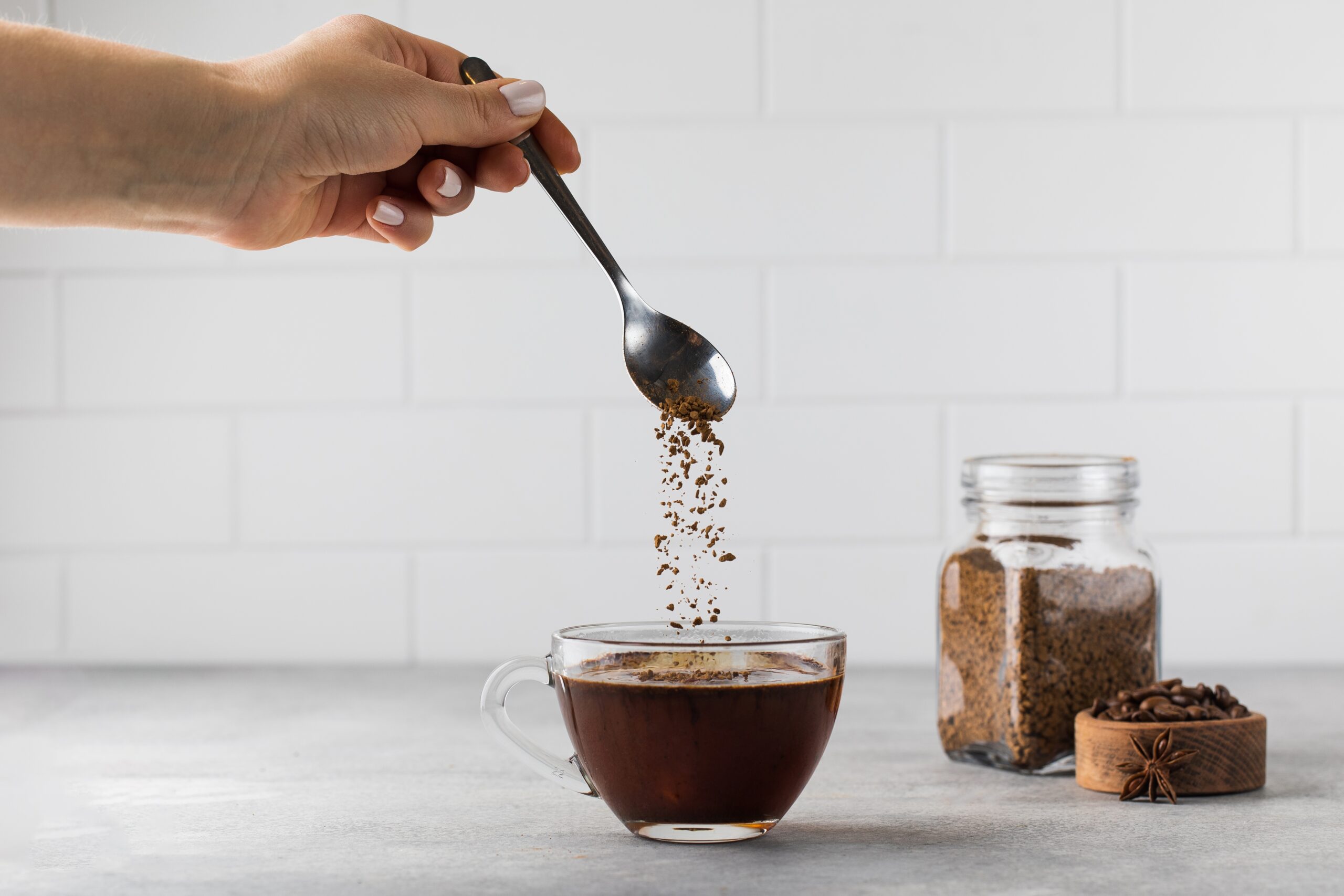
Three newly discovered compounds hidden in your morning coffee just outperformed a leading diabetes drug in laboratory tests, potentially transforming coffee into a powerful weapon against type 2 diabetes.
Story Highlights
- Scientists identified three novel compounds in roasted coffee beans that inhibit blood sugar spikes more effectively than acarbose, a common diabetes medication
- The compounds, dubbed caffaldehydes A, B, and C, were discovered using an innovative low-solvent extraction method that could revolutionize natural drug discovery
- These findings build on decades of research showing coffee drinkers have 20-30% lower risk of developing type 2 diabetes
- The discovery opens doors for coffee-based functional foods, though human trials are still needed to confirm safety and effectiveness
Hidden Treasures in Every Cup
Researchers at the Kunming Institute of Botany cracked open the molecular secrets of roasted Coffea arabica beans and found something extraordinary. Buried among thousands of chemical compounds were three previously unknown diterpene esters that demonstrated remarkable ability to block α-glucosidase, the enzyme responsible for breaking down carbohydrates into blood sugar. These compounds achieved inhibition rates that left acarbose, a pharmaceutical mainstay for diabetes management, trailing behind.
The discovery required separating coffee extracts into 19 distinct fractions, then using advanced spectroscopy techniques to identify which fractions packed the most punch. Fractions 9 through 13 emerged as the champions, harboring these potent new molecules with structures verified through sophisticated analytical methods.
Watch:
Numbers That Tell the Real Story
Laboratory tests revealed the true power of these coffee compounds. Caffaldehyde C dominated with an IC50 value of 17.50 μM, meaning it needed minimal concentration to achieve maximum enzyme inhibition. Caffaldehyde B followed at 24.40 μM, while Caffaldehyde A clocked in at 45.07 μM. Compare this to acarbose, the pharmaceutical benchmark, and these natural compounds consistently delivered superior performance.
The compounds differ in their fatty acid components, with palmitic, stearic, and arachidic acids creating distinct molecular signatures. This structural diversity suggests nature crafted multiple pathways to the same beneficial endpoint, offering researchers several avenues for potential therapeutic development.
From Lab Bench to Coffee Cup
Coffee’s reputation as a diabetes fighter isn’t new. Epidemiological studies spanning decades have consistently shown that people who drink 3-5 cups daily enjoy 20-30% lower risk of developing type 2 diabetes. Previous research focused heavily on well-known polyphenols like chlorogenic acid, but this discovery proves that coffee’s protective arsenal runs much deeper than anyone imagined.
The breakthrough methodology deserves equal attention. Traditional natural product discovery often requires massive amounts of solvents and time-intensive processes. This team developed a streamlined approach using NMR spectroscopy and cluster analysis, creating a template for mining bioactive compounds from other food sources with unprecedented efficiency and environmental responsibility.
Newly discovered coffee compounds beat diabetes drug in lab tests https://t.co/FTjw156jiN
— Andy Drew (@andypdrew) January 11, 2026
The Road Ahead for Coffee Medicine
Despite these promising laboratory results, significant hurdles remain before coffee transforms from morning ritual to medical intervention. No human trials have tested these specific compounds, and questions about bioavailability, optimal dosing, and long-term safety require extensive investigation. The compounds exist in trace amounts within coffee beans, raising questions about whether normal consumption delivers therapeutic levels.
Current clinical trials are exploring related territory, with researchers testing chlorogenic acid-enriched specialty coffee for brain function and glucose control in type 2 diabetes patients. These parallel investigations could provide valuable insights into coffee’s therapeutic potential while building the scientific foundation needed for regulatory approval of coffee-based functional foods.
Your instant doctor companion – online 24 hours a day.
Sources:
Coffee’s hidden compounds could help fight type 2 diabetes
Newly discovered coffee compounds beat diabetes drug in lab tests
Coffee for Type 2 Diabetes Clinical Trial
Scientists discover potent anti-diabetic compounds hidden in roasted coffee
Study finds your morning coffee could help with type 2 diabetes
Three newly discovered coffee compounds aid in managing diabetes
Scientists discover potent anti-diabetic compounds hidden in roasted coffee
Coffee may improve heart health, lower diabetes risk