Could a three-minute trick redefine your walking routine and improve your health significantly?
Story Snapshot
- Interval walking alternates fast and slow paces for notable health benefits.
- Gained popularity through viral social media attention in 2025.
- Based on a 2007 Japanese study, with recent validation by the Mayo Clinic.
- Offers a practical alternative to traditional, time-intensive exercise.
A Scientifically-Backed Fitness Revolution
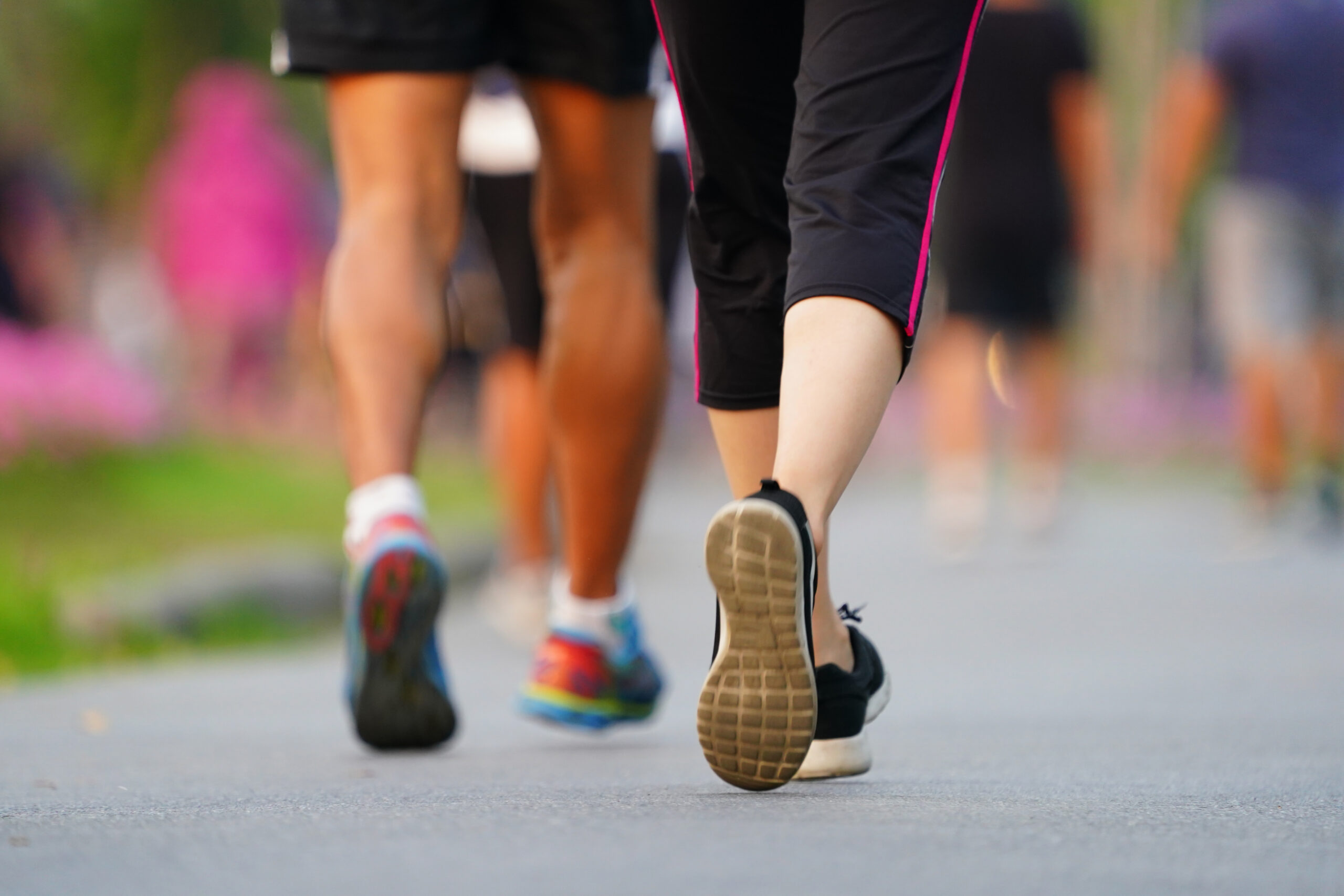
The Japanese Walking Method is turning heads worldwide, thanks to its simplicity and efficiency. Born from a 2007 study, this method alternates between three minutes of fast walking at 70% maximum effort and three minutes of slower-paced walking at 40%. This technique, repeated for 30 minutes, has been proven to deliver substantial cardiovascular and metabolic benefits. It’s a game-changer for middle-aged and older adults, offering a time-efficient workout with no need for expensive gym memberships or equipment.
This method experienced a resurgence in 2025, thanks to social media platforms like TikTok. The appeal lies in its ability to deliver measurable improvements in health and fitness without the lengthy time commitments of traditional exercises. Supported by peer-reviewed research, the method’s effectiveness has been validated by the Mayo Clinic, which found significant improvements in VO₂max and blood pressure reduction among participants.
Health Benefits Beyond the Basics
Interval walking isn’t just about physical health. It also offers psychological benefits. Experts like Dr. Barbara Walker from the University of Cincinnati emphasize that mindful walking, especially in green spaces, amplifies these benefits. Participants report improved mood regulation, better sleep quality, and reduced stress levels through lower cortisol production. This approach not only targets physical fitness but also supports mental well-being, adding another layer of appeal to this walking method.
Moreover, the method challenges the long-held belief that walking 10,000 steps a day is necessary for health. Instead, it focuses on the intensity of exercise, proving that shorter, high-intensity sessions can be more effective. This is particularly advantageous for those with limited time for exercise, offering a viable option to maintain health and fitness with minimal daily disruption.
Start your health journey now.
Watch:
Implications for Longevity and Public Health
Studies show that this interval walking method could add days to your life. An increase in VO₂max is linked to longer life expectancy, with men potentially adding up to 130 days and women up to 90 days to their lifespan through this practice. The implications for public health are significant: it provides an accessible way to improve longevity, particularly for aging populations who may struggle with more strenuous forms of exercise.
The broader health sector also benefits from this method, which encourages a shift from traditional step-count goals to more sustainable and achievable fitness targets. This approach supports an aging population by maintaining functional fitness and reducing the risk of cardiovascular diseases, all while promoting a healthier lifestyle through efficient exercise.
Meet My Healthy Doc – instant answers, anytime, anywhere.
Future Directions and Expert Perspectives
Looking ahead, experts are exploring the integration of interval walking with other healthful practices, like mindful walking in natural settings, to maximize both physical and psychological health benefits. Dr. Walker notes that such combinations could create even more impactful health outcomes. The consensus among researchers is clear: the focus should be on high-intensity walking time as the primary determinant of health improvements.
Medical professionals across the board recognize interval walking as a potent cardiovascular intervention. It not only delivers impressive benefits in just 30 minutes a day but also supports a sustainable approach to fitness that aligns well with American conservative values of practicality and efficiency. As research continues, this method may redefine how we think about daily exercise and its role in our lives.
Get fast, reliable health advice from your AI doctor now.
Sources:
Mayo Clinic Proceedings
SuperAge.com
University of Cincinnati News
Baptist Health News
Brown Health