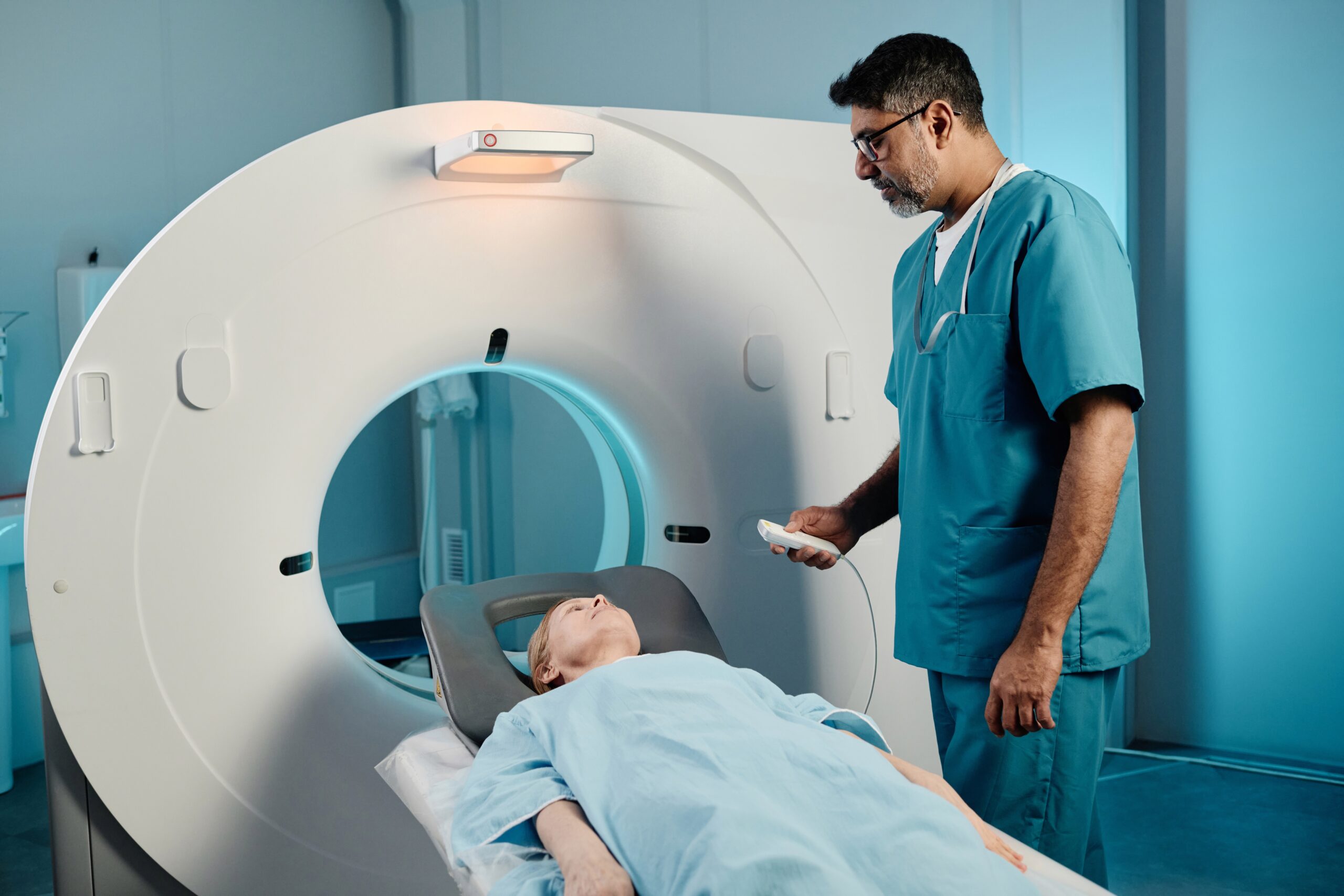
The debate over whether full-body MRIs or blood tests are better for cancer detection is heating up, with significant implications for patient outcomes and the future of medical screening.
Story Snapshot
- Full-body MRIs image structural abnormalities, finding 95% as abnormal, yet only 1.8% are malignant.
- Blood tests like Galleri focus on detecting cancer-related DNA fragments, boasting a 62% positive predictive value.
- Commercial availability raises questions of consumer access versus clinical evidence.
- Both methods currently supplement rather than replace traditional screenings like mammograms.
The Evolution of Cancer Screening
Cancer screening has transformed from organ-specific tests such as mammography and colonoscopy, which have proven to reduce mortality over decades, to more comprehensive multi-cancer approaches. Multi-cancer early detection (MCED) blood tests emerged from research into circulating tumor DNA (ctDNA), with Galleri by GRAIL leading the charge. Companies like Prenuvo, Ezra, and Neko Health have popularized full-body MRIs, initially used for high-risk groups, into a broader consumer market.
Both screening methods prioritize either sensitivity or specificity. Full-body MRIs can detect structural abnormalities before DNA shedding, helping catch cancers like breast or brain tumors early. However, they have a high false-positive rate, which can lead to unnecessary stress and additional testing. Meanwhile, blood tests like Galleri aim for specificity by identifying DNA fragments from cancer cells, although they may miss early-stage cancers.
Watch:
Meet My Healthy Doc – instant answers, anytime, anywhere.
Key Stakeholders and Market Dynamics
Leading companies like GRAIL, Exact Sciences, Prenuvo, and Ezra are at the forefront of developing and marketing these tests, profiting from consumer sales. While blood tests tend to be cheaper, MRIs cost upwards of $1,000 to $2,500. Medical experts, including researchers from Dana-Farber and Fred Hutch, stress the importance of clinical evidence, urging caution over unproven benefits. Regulatory bodies like the FDA remain gatekeepers for insurance coverage, with trials like GRAIL’s 140,000-person study being pivotal.
Patients, particularly those with high-risk conditions like Li-Fraumeni syndrome, are motivated by the fear of cancer, which drives demand. However, they also face the risk of overdiagnosis and its associated burdens.
Chat safely, anytime, with My Healthy Doc.
Current Developments and Future Prospects
As of early 2026, blood tests are gaining momentum, with GRAIL’s PATHFINDER2 trial nearing completion. Results expected in spring 2026 could potentially lead to FDA approval and broader insurance coverage. Full-body MRIs continue to expand through specialized centers, yet lack the large-scale trials needed to prove mortality reduction. Recent data from full-body MRI studies show that 2% of asymptomatic subjects presented suspicious malignancies, with only 1.5% confirmed as cancer, while 30% required follow-up.
Full-Body MRI vs. Blood Test: Which Is Better for Detecting Cancer? https://t.co/C4Aqb55Qhn pic.twitter.com/BdrEPA1L1l
— Healthy Hoss 🍎 (@HealthyHoss) January 22, 2026
The debate continues on whether these methods should complement each other or remain distinct. Each has its strengths, with MRIs detecting masses early and blood tests effectively identifying leukemias. Ultimately, both are currently available out-of-pocket and should not replace standard screenings.
Your instant doctor companion – online 24 hours a day.
Watch:
Sources:
Full-Body MRI vs. Blood Test: Which Is Better for Detecting Cancer?
Whole-Body MRI
Liquid Biopsies vs. MRI for Cancer Detection
Whole-Body MRI and Cancer Screening