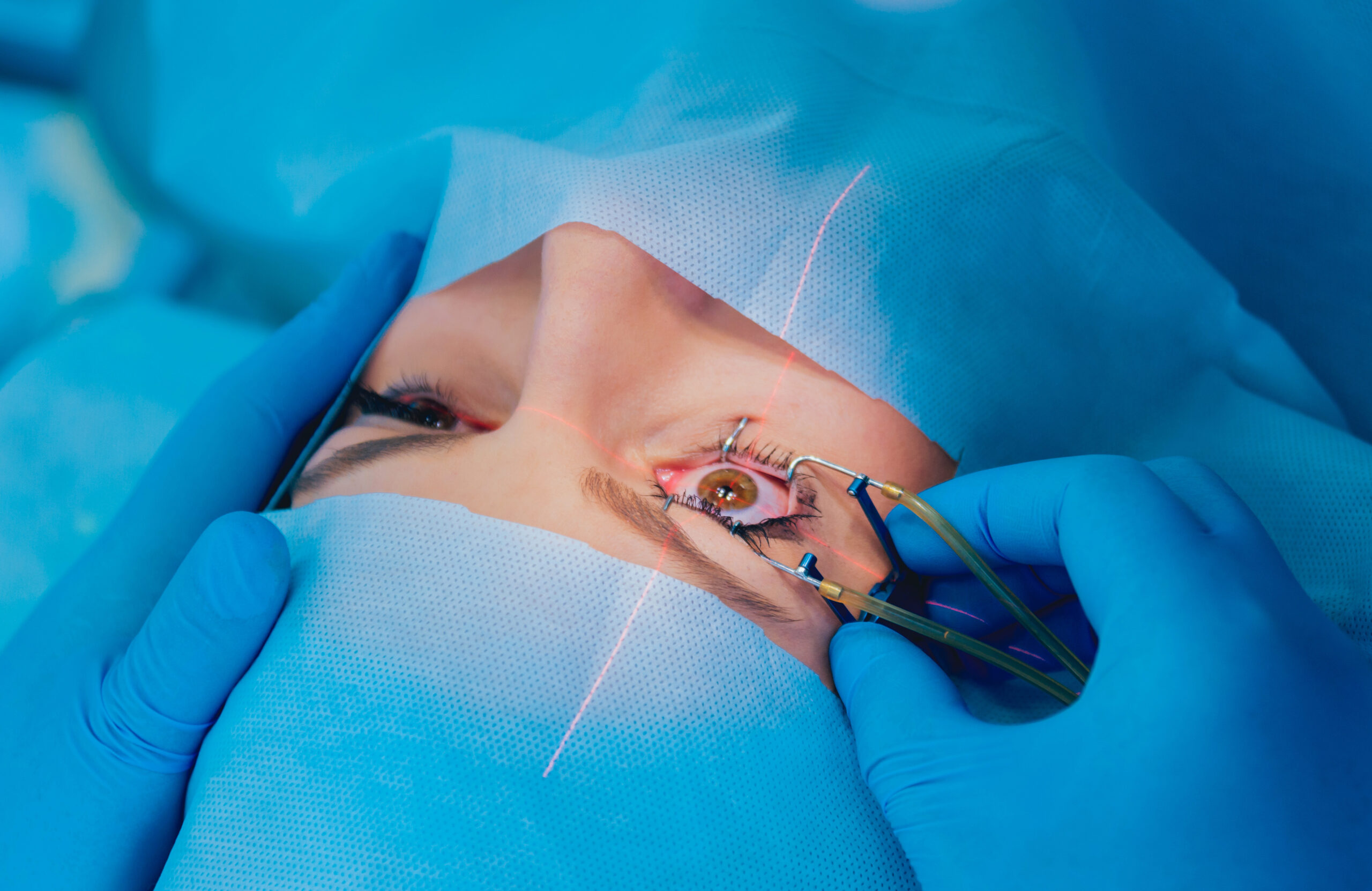
Nearly all LASIK patients experience dry eye within days of surgery, yet most surgeons frame it as a minor, temporary side effect rather than a near-universal complication.
Quick Take
- Ninety-five percent of LASIK patients develop dry eye symptoms within the first week, contradicting industry claims of rare complications
- Surgeons downplay dry eye as transient despite evidence showing 8 to 40 percent experience chronic symptoms persisting beyond six months
- Informed consent documents often minimize dry eye risk, leaving patients blindsided by pain and blurred vision that rivals severe migraines in impact
- Preoperative screening and aggressive treatment reduce long-term persistence, yet many clinics skip these steps to maintain procedure volume
The Surgery Everyone Wants, The Side Effect No One Discusses
LASIK revolutionized vision correction after FDA approval in 1999, promising freedom from glasses with minimal downtime. The procedure reshapes the cornea using lasers to correct myopia, hyperopia, and astigmatism. Millions of Americans have undergone it, driven by marketing emphasizing safety and satisfaction rates exceeding 95 percent. What the consent forms rarely emphasize: the surgery damages corneal nerves, reduces tear production, and triggers inflammation in nearly every patient.
Why Your Eyes Rebel After Laser Surgery
Dry eye after LASIK stems from multiple surgical injuries. The laser ablates corneal tissue, severing delicate sensory nerves that trigger blinking and tear secretion. Creating the corneal flap further damages these nerves. Conjunctival goblet cells, which produce protective mucin, diminish post-surgery. The result: a cascade of tear instability, reduced volume, and inflammatory response lasting weeks to months. For some, it becomes chronic.
Watch;
https://www.youtube.com/watch?v=gDJasOTwXEM
Got a health question? Ask our AI doctor instantly, it’s free.
The Numbers Surgeons Don’t Advertise
Clinical studies paint a starkly different picture than marketing materials. A 2024 multicenter study found 92 percent of patients reported mild dry eye symptoms one week post-op. The American Refractive Surgery Council claims fewer than 30 percent experience dry eye at three months. Yet independent research and FDA Quality of Life Project data show 28 percent develop new dry eye at three months alone. Patient surveys report double the symptom rates doctors document, exposing a credibility gap between objective clinical measures and subjective patient suffering.
Chronic Dry Eye: When the Problem Doesn’t Resolve
Most dry eye resolves within weeks or months with aggressive treatment: artificial tears, prescription drops, punctal plugs. However, 8 to 40 percent of patients experience persistent symptoms beyond six months. Risk factors include age over 50, autoimmune conditions like Sjögren’s syndrome, certain medications, and arid climates. Preoperative dry eye screening predicts outcomes but remains underutilized. Patients with baseline dry eye face 10 to 14 percent moderate persistence rates, yet surgeons often proceed without adequate pre-op intervention.
Meet My Healthy Doc – instant answers, anytime, anywhere.
The Consent Gap: What Patients Actually Sign
Informed consent documents typically list dry eye as a “side effect” affecting fewer than 5 percent, often buried among rare complications. This framing minimizes risk perception. Patients sign expecting temporary discomfort, then experience debilitating pain rivaling severe migraines, blurred vision disrupting work and driving, and frustration that their “elective” procedure created a chronic medical condition. Legal claims increasingly cite inadequate disclosure, with attorneys arguing dry eye affecting 20 to 95 percent of patients hardly qualifies as rare.
The Path Forward: Screening and Honesty
Emerging evidence supports aggressive preoperative treatment and screening. Patients with baseline dry eye benefit from drops, punctal plugs, or omega-3 supplementation before surgery. Newer femtosecond LASIK techniques reduce nerve damage compared to older microkeratome methods. When clinics implement these measures, six-month persistence drops to 8 percent. Yet adoption remains inconsistent. Patients deserve transparent consent forms acknowledging near-universal short-term dry eye, honest discussion of chronic risk, and proactive pre-op and post-op treatment protocols designed for symptom management, not merely procedure promotion.
Chat safely, anytime, with My Healthy Doc.
Sources:
Patient-Reported Dry Eye Outcomes After Myopic Femtosecond LASIK: A 6-Month Prospective Study
Dry Eye Syndrome After LASIK
The Risk of Dry Eye Syndrome After LASIK
LASIK Complication Rate and Side Effects
Corneal Nerve Density and Subbasal Nerve Plexus Alterations After LASIK Surgery
Does Eye Laser Surgery Cause Dry Eye?
LASIK Quality of Life Collaboration Project