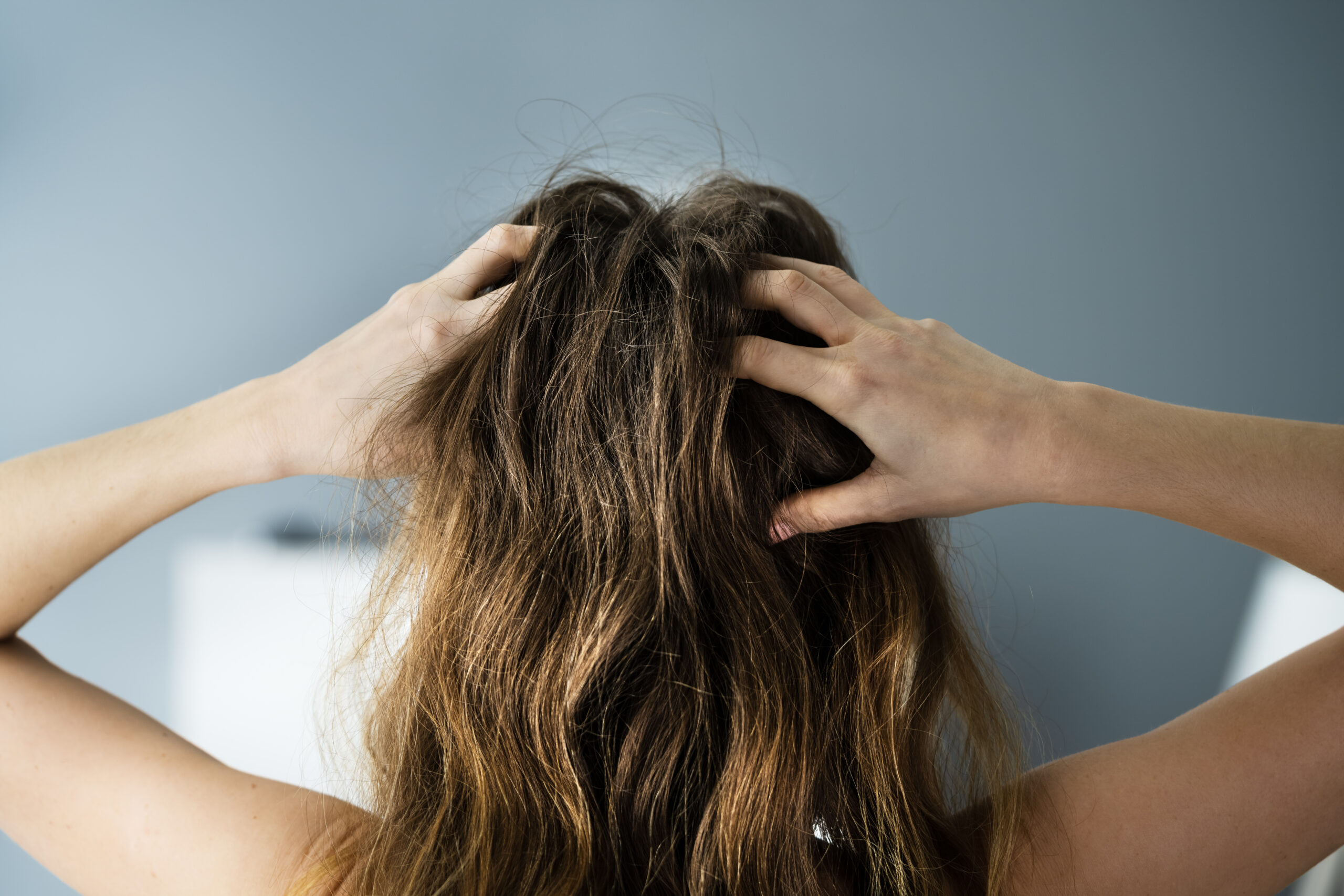
Winter turns your scalp into a flaky battlefield not from simple dryness, but a microbial rebellion fueled by cold air and heaters that dermatologists say demands targeted combat.
Story Snapshot
- Dry scalp and dandruff differ fundamentally: small white flakes from moisture loss versus oily, larger flakes from yeast overgrowth.
- Cold weather plus indoor heating creates a “perfect storm” disrupting scalp microbiome, oil production, and barrier function.
- Treatments split by condition: anti-yeast shampoos for dandruff, humectants for dry scalp, plus behavioral tweaks like cooler showers.
- Untreated seasonal flares risk chronic issues, infections, and even hair loss in severe cases.
Winter’s Assault on Scalp Health
Cold outdoor air drops humidity levels starting November through March in the Northern Hemisphere. Indoor heating systems exacerbate dehydration. People take longer, hotter showers and wear hats, trapping moisture and heat. Seasonal stress and less sunlight weaken immune responses. These factors converge, creating what trichologists call the perfect storm for scalp flare-ups. The scalp struggles to balance moisture, oils, and microbes simultaneously.
Dry Scalp Versus Dandruff: Critical Distinctions
Dry scalp stems from moisture deficiency, producing small, white, dry flakes with tightness and minimal itching. Dandruff arises from Malassezia yeast overgrowth, yielding larger, oily yellow flakes, redness, and intense itching. Dr. Joyce Park clarifies this divide, noting patients often confuse the two. Misdiagnosis leads to wrong treatments, prolonging suffering. Accurate identification guides effective intervention.
Dr. Whitney Hovenic explains winter’s low temperatures and dry indoor air weaken the scalp’s protective barrier. This heightens sensitivity across both conditions. Dr. Marisa Garshick adds dryness signals deeper issues, requiring moisture restoration alongside root cause management. These insights align with conservative emphasis on precise, evidence-based self-care over hasty remedies.
Meet My Healthy Doc – instant answers, anytime, anywhere.
Evidence-Based Treatment Protocols
Dermatologists prescribe zinc pyrithione, ketoconazole, selenium sulfide, or salicylic acid shampoos for dandruff to curb yeast and inflammation. Dry scalp demands glycerin, hyaluronic acid, and ceramides to hydrate and repair the barrier. Use these alternately if both issues coexist. Penny James Trichology Center stresses this dual approach matches winter’s complex disruptions.
Behavioral changes prove essential. Switch to lukewarm water, sulfate-free shampoos, shorter showers, and humidifiers. Boost intake of water and essential fatty acids. These steps restore equilibrium without relying solely on products, embodying common-sense prevention rooted in daily discipline.
Watch:
Short-term, flaking erodes confidence in professional settings. Long-term, unmanaged cases foster barrier breakdown, infections, and seborrheic dermatitis-linked hair loss. Those in cold climates or with stress face higher risks. Industry sees sales spikes for targeted shampoos, driving innovation.
Got a health question? Ask our AI doctor instantly, it’s free.
Sources:
Men’s Health: Winter Weather Causing Dry Scalp or Dandruff? Here’s How to Treat Them for Good
Penny James Trichology Center: Why Your Scalp Itches in Fall and Winter
Redken: Ultimate Winter Dandruff Guide
Head & Shoulders: How to Prevent Dandruff in Winter
Mayo Clinic: Dandruff Symptoms and Causes
Cleveland Clinic: Seborrheic Dermatitis
Coco & Eve: Winter Dandruff Remedies
CLn Wash: Why You Have an Itchy Flaky Scalp in Winter