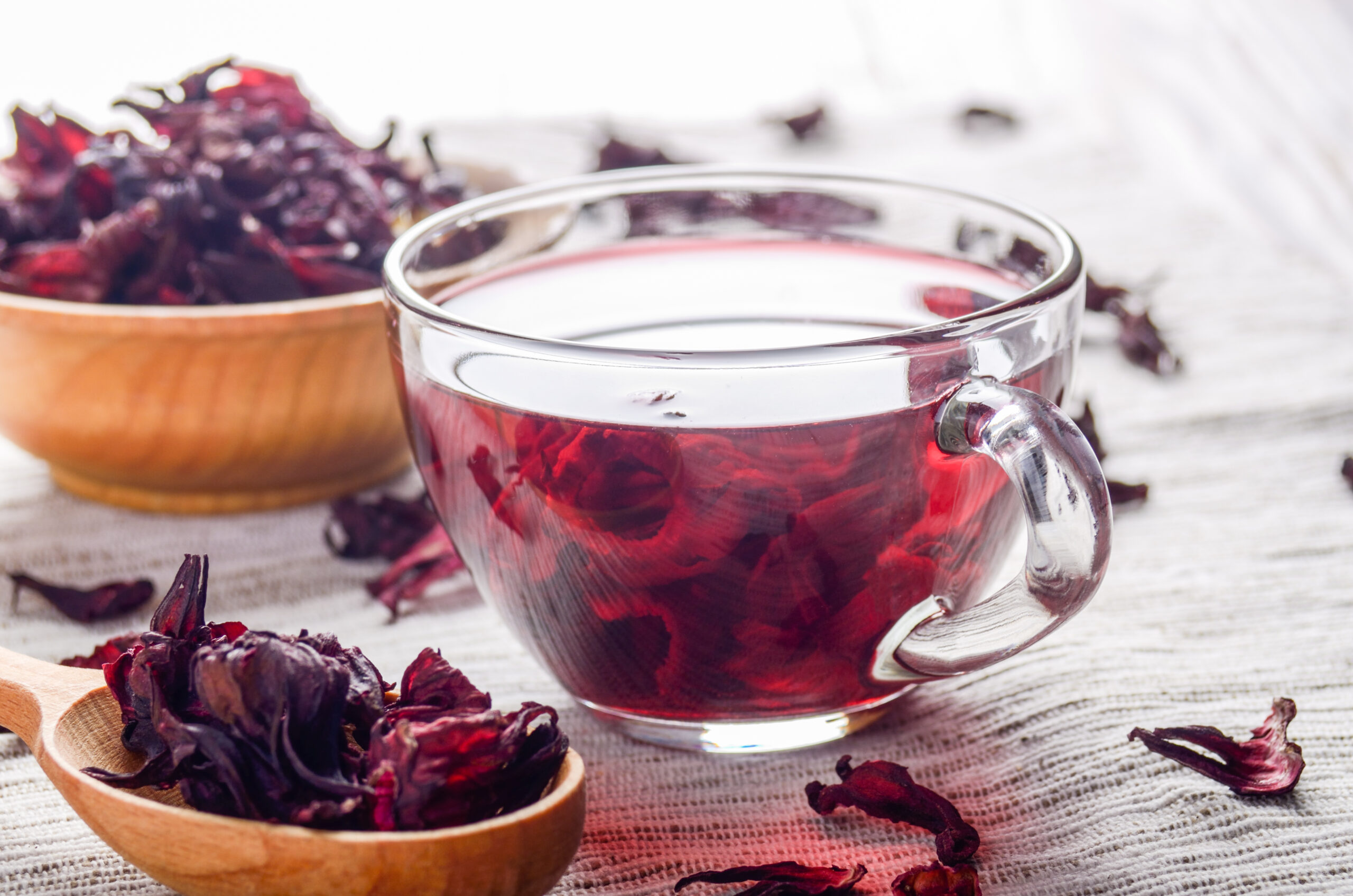
A daily cup of hibiscus tea drops systolic blood pressure by up to 17%, challenging reliance on pills for heart health management.
Story Highlights
- A 2008 USDA study showed 7.2 mmHg systolic drop in pre-hypertensives versus placebo.
- 2022 meta-analysis confirms average 8.8 mmHg reduction, greater in high baseline cases.
- 2024 Tunisian trial reports 17% SBP and 10% DBP cuts after one month in diabetics.
- Ongoing RCTs test metabolic benefits like glucose and lipid improvements.
- Traditional remedy validated as low-cost adjunct to lifestyle changes.
Roots in Ancient Remedies Meet Modern Trials
Hibiscus sabdariffa, called sour tea or roselle, served African, Asian, and Middle Eastern cultures for centuries as a diuretic and blood pressure aid. Researchers validated these uses starting in the early 2000s through randomized controlled trials. The pivotal 2008 USDA trial, led by Diane McKay, tested pre-hypertensive adults. Participants drank three cups daily for six weeks. Systolic pressure fell 7.2 mmHg more than the placebo group. This evidence sparked wider interest in its anthocyanin-driven antioxidant effects.
Key Clinical Trials Confirm Pressure Reductions
A 2019 Iranian RCT at Imam Reza Hospital enrolled 52 stage 1 hypertensives. Subjects consumed hibiscus tea alongside lifestyle advice for four weeks. Systolic blood pressure dropped significantly by 13 mmHg on average. Diastolic showed favorable trends. Researchers noted diuretic action and nitric oxide release as mechanisms. Benefits faded after stopping, underscoring daily use. Trials emphasize tea as adjunct, not medication replacement, aligning with conservative values of personal responsibility in health.
Got a health question? Ask our AI doctor instantly, it’s free.
Recent Data Reveals Metabolic Bonuses
Tunisian researchers presented 2024 endocrine conference results from diabetics and hypertensives. One month of hibiscus tea slashed systolic pressure 17.20%, diastolic 9.83%, and glucose 47.49%. Lipid profiles improved notably. Small sample sizes prompt calls for larger studies. Ongoing U.S. trials like NCT03804801 assess sleep, stress, and feasibility in elevated blood pressure cases. NCT04339283 examines healthy adults for glucose and lipid shifts. Evidence builds steadily.
Within an hour of drinking hibiscus tea, the antioxidant power of our bloodstream shoots up as our system absorbs the tea’s phytonutrients. This may help explain why hibiscus has such a strong, positive effect on blood pressure. https://t.co/FZoij6rEzb pic.twitter.com/TkuFT786fB
— Michael Greger, M.D. (@nutrition_facts) January 11, 2026
Meta-Analyses Solidify Cardiovascular Promise
A 2022 systematic review pooled RCTs, finding average systolic reductions of 8.8 mmHg. Effects amplified in those with higher starting pressures. Each 2-5 mmHg drop correlates to 4-9% lower cardiovascular mortality. Diastolic trends are positive but less consistent across subgroups. Animal studies precede human data, showing lipid-lowering and atherosclerosis inhibition. Cleveland Clinic summaries affirm trial-confirmed benefits without hype.
Practical Impacts for Everyday Americans
Hypertension strikes one-third of U.S. adults, with readings over 120/80 mmHg raising heart disease, stroke, and kidney risks. Hibiscus tea, dosed at 240-480 mL daily or 2-3 cups, targets pre-hypertensives and stage 1 cases aged 30-70. Low cost suits low-resource settings and reduces medication dependence. Short-term gains appear in 1-6 weeks alongside diet and exercise. Long-term, it supports preventive health central to self-reliant living.
Meet My Healthy Doc – instant answers, anytime, anywhere.
Uncertainties Demand Cautious Optimism
Small trial sizes, from 46 to 65 participants, limit broad application. Diastolic benefits vary; some metas show nonsignificant shifts. Rebound occurs post-cessation, so consistency matters. Experts urge larger RCTs before guidelines change. Facts align with common-sense adjuncts over sole reliance on pharma. USDA and meta-authors stress dietary roles while noting more research needs. Benefits shine brightest with lifestyle integration.
Watch:
Sources:
Study shows consuming hibiscus tea lowers blood pressure
NCT03804801
PMC6621350
Endocrine Abstracts EP1108
PMC9086798
Benefits of Hibiscus
NCT04339283