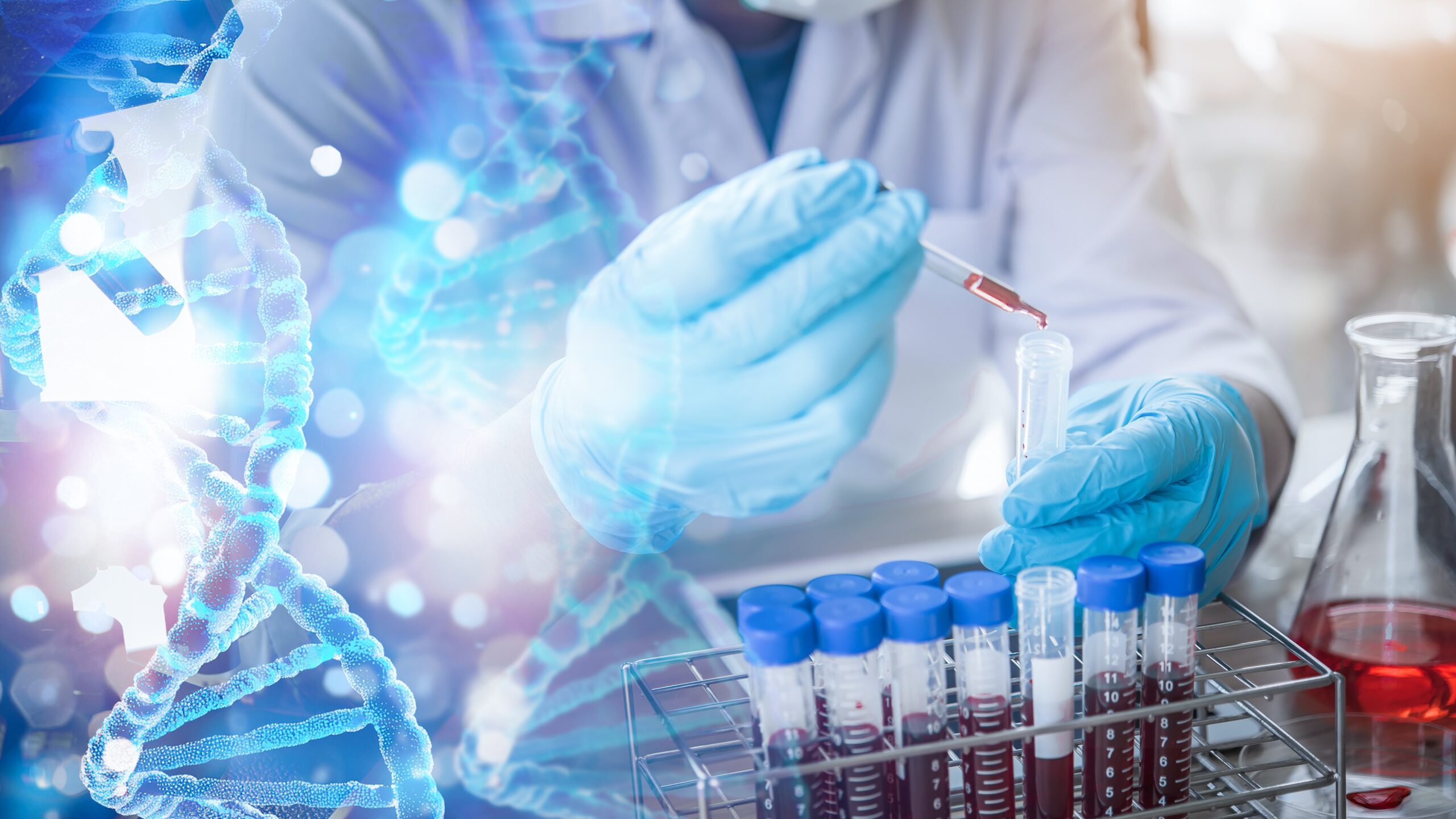
Scientists have shifted from trying to stop aging to treating it like a performance metric that can be measured, monitored, and systematically improved.
Story Overview
- Aging is being reframed from inevitable decline to a modifiable system with trackable biomarkers
- New interventions include senolytics, rapamycin, NAD+ boosters, and AI-driven drug combinations
- Harvard’s David Sinclair predicts age-reversing pills by 2035 that could double human lifespan
- Clinical trials show promising results for muscle rejuvenation, plasma exchange, and telomere protection
- Personalized optimization protocols combine molecular interventions with lifestyle modifications
The Science Behind the Shift
This transformation stems from decades of geroscience research identifying specific biological mechanisms behind aging. Rather than accepting decline as natural, researchers now target cellular senescence, mitochondrial dysfunction, and epigenetic alterations as modifiable parameters. The breakthrough came when scientists mapped aging’s “hallmarks”—genomic instability, telomere shortening, and protein damage—turning abstract decline into concrete targets for intervention.
Recent 2025 studies demonstrate this approach works. A clinical trial using nicotinamide riboside in Werner syndrome patients increased NAD+ levels and improved cardiovascular health, skin healing, and kidney function. Similarly, vitamin D supplementation may slow telomere shortening and reduce biological age by approximately three years in certain populations. Start your health journey in under a minute.
Watch:
AI Accelerates the Discovery Pipeline
Artificial intelligence now drives much of aging research through platforms like SenolyticSynergy, an attention-based network that discovers drug combinations targeting senescent cells. These tools can computationally test what researchers describe as “trillions of molecules,” far beyond manual laboratory capacity. The AI systems validate their predictions against known geroprotectors like rapamycin, metformin, and resveratrol with remarkable accuracy.
This computational approach transforms aging research from slow, sequential experiments into rapid, parallel optimization. Companies like New Limit use AI-guided epigenetic reprogramming to rejuvenate immune cells, employing mRNA technology to restore youthful gene expression patterns. Their platforms precisely control reprogramming factors’ timing and dosage, avoiding the chaos of uncontrolled cellular reversal.
Meet My Healthy Doc – instant answers, anytime, anywhere.
Clinical Reality Meets Bold Predictions
Harvard’s David Sinclair represents the field’s ambitious wing, predicting age-reversing pills within a decade based on partial cellular reprogramming research. His laboratory claims to reset cellular age by 50-90 percent in animal models, leading him to assert that human lifespan could double and the first 150-year-old has already been born. These statements generate excitement but also skepticism within the scientific community.
More conservative researchers focus on incremental but measurable improvements. Stanford Medicine’s June 2025 study showed that a single dose of Prostaglandin E2 combined with exercise significantly restored muscle strength in aged mice by rejuvenating muscle stem cells. Similarly, plasma exchange therapy in healthy 65-year-olds reduced aging biomarkers, though larger trials are needed to confirm these preliminary findings.
The Optimization Marketplace Emerges
This scientific progress coincides with a booming commercial ecosystem. Longevity clinics now offer comprehensive optimization packages combining genetic testing, microbiome analysis, hormone replacement, and personalized supplement regimens. These practices explicitly market “aging optimization” rather than disease treatment, positioning decline as a performance problem rather than medical inevitability.
Professional organizations like the American Academy of Anti-Aging Medicine legitimize this approach through events like Longevity Fest 2025, featuring hundreds of sessions on “transformative health strategies.” The convergence of research, clinical practice, and consumer demand creates momentum for viewing aging as an engineering challenge rather than biological fate.
Got a health question? Ask our AI doctor instantly, it’s free.
Sources:
Anti-Aging Trends in 2025
Latest Advances in Anti-Aging Treatments: Breakthroughs to Watch in 2025
Rejuvenation Roundup September 2025
Anti-Aging Breakthrough: Dr. David Sinclair Predicts Age Reversing Pill by 2035
Anti-Aging Biotech Companies
PMC Article PMC12564003
Longevity Fest 2025
Frontiers in Medicine: Anti-Aging Effects of Flavonoids
David Sinclair Supplements