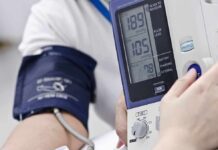
A simple, daily handful of nuts tracks with measurably better blood pressure control and a lower risk of hypertension.
Story Snapshot
- Prospective studies link higher nut intake to lower hypertension risk, with signals near 30 grams a day.
- Randomized trials show small average drops in blood pressure, larger in select groups or with pistachios.
- A pooled analysis estimates about a quarter lower risk at 30–35 grams per day.
- Nutrition patterns and lifestyle can shape results, so nuts work best inside a healthy diet.
What the new evidence actually shows
Researchers reviewing eight prospective cohorts found people who ate more nuts had a lower risk of developing high blood pressure. The reduction was strongest around a handful a day, about 30 to 35 grams. The dose–response pattern suggested a roughly 26 percent lower risk at that intake, compared with little or no nuts. Another analysis reported a 20 percent lower risk per 28 grams per day, and an overall lower risk when comparing highest to lowest intake groups. These are not fringe numbers; they come from large, multi-year datasets.
A U.S. physician cohort adds texture. Men who ate nuts seven or more times per week had a notably lower risk of incident hypertension than those who rarely ate nuts. The trend was mild at low intakes and clearer at the top end, which fits the “handful a day” picture many want for practical guidance. Observational links do not prove cause, but they do flag a pattern that repeats across populations. For kitchen-table decisions, repeated patterns matter.
How trials temper and focus the promise
Randomized feeding trials point to modest average blood pressure changes from nuts alone. A dose–response meta-analysis found each 20 grams per day shaved about half a millimeter from systolic and a quarter millimeter from diastolic pressure—small but real effects across many studies. Other reviews echo this: overall blood pressure changes are small, with clearer drops in people without type 2 diabetes, and with pistachios or mixed nuts showing the most signal. A controlled trial in adults with well-managed type 2 diabetes found pistachios cut 24-hour systolic readings and improved heart rate variability.
Some newer reviews report no meaningful average drop in blood pressure, especially in people already on intensive heart medications. That does not cancel the cohort data; it tells us nuts are not a magic bullet. The common-sense read is simple: nuts help most when they replace worse snacks, accompany weight control, and ride alongside lower sodium and an overall healthy pattern.
Why a handful may be the sweet spot
The “handful” target lines up with how nutrients in nuts work. Nuts pack magnesium, potassium, fiber, and healthy fats. These support blood vessel function and steady blood pressure. Pushing far beyond a handful adds calories fast, which can nudge weight up and raise pressure over time. The cohorts show a curve that looks best near 30 grams per day, not at extreme intakes. That tracks with everyday experience: better choices beat bigger portions.
🥜 CME INDIA Clinical Update
A Handful of Nuts a Day May Lower the Risk of Hypertension
🔥 Why this study matters
Dietary advice for hypertension usually focuses on what to reduce—especially sodium. This analysis provides evidence for something practical to add: approximately… pic.twitter.com/BWHMw4kbs0
— CME INDIA (@CMEINDIA1) August 12, 2026
Pistachios often stand out. Several analyses found the strongest blood pressure reductions when pistachios were the main nut. Almonds have also shown small diastolic benefits in some work. But mixing nuts may be the easiest way to get a balanced pack of minerals and fats without overthinking the label. Salt matters here. Salted nuts can undercut the aim. Choose unsalted or lightly salted if blood pressure is the goal.
Practical playbook for your kitchen
Swap a daily handful of unsalted nuts for chips, crackers, or sweets. Keep the portion to about a quarter cup. Rotate walnuts, almonds, pistachios, and peanuts to keep taste and cost in check. Pair nuts with fruit or yogurt for a filling snack that does not spike blood sugar. Fold chopped nuts into salads instead of croutons. Use nut toppings on roasted vegetables in place of heavy sauces. These swaps tighten appetite control and raise diet quality, both of which lower blood pressure risk over time.
Two cautions deserve space. First, if weight loss is a priority, count the calories in nuts and trim elsewhere; the blood pressure benefit depends on the whole day’s intake. Second, nuts work best with the basics: less sodium, more produce, regular movement, and steady sleep. Diet patterns like the Dietary Approaches to Stop Hypertension plan lower blood pressure by several points; nuts fit inside that pattern as a reliable, tasty tool, not the whole toolbox.
Sources:
news-medical.net, pmc.ncbi.nlm.nih.gov, medrxiv.org, pubmed.ncbi.nlm.nih.gov, cambridge.org, ahajournals.org