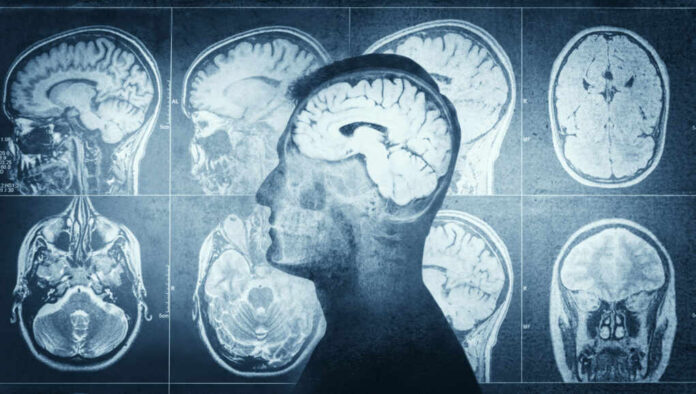
A single virus injection turned impenetrable brain tumors into battlegrounds where immune cells finally fought back, extending lives in a cancer long deemed untreatable.
Story Highlights
- Genetically modified herpes virus kills glioblastoma cells and recruits T cells deep into “cold” tumors, prolonging survival in 41 trial patients.
- Patients with pre-existing viral antibodies benefited most, linking immune memory to better outcomes.
- Phase 1 trial at Dana-Farber and Mass General Brigham shows safety and efficacy signals after 20 years of stagnant standard care.
- T cell proximity to dying tumor cells predicts survival, a new biomarker for immunotherapy success.
- Paves way for phase 2 trials and combinations with other therapies.
Glioblastoma’s Resistance to Immune Attack
Glioblastoma ranks as the most common malignant primary brain tumor. Doctors classify it a “cold” tumor because few immune cells infiltrate its core. Immunotherapies succeed against melanoma yet fail here due to this barrier. Standard treatments—surgery, radiation, temozolomide—remain unchanged for 20 years. Patients face recurrence quickly. E. Antonio Chiocca at Mass General Brigham engineered an oncolytic herpes simplex virus that replicates only in glioblastoma cells. It lyses tumors, releasing antigens to alert the immune system.
Phase 1 Trial Design and Execution
Researchers treated 41 patients with recurrent glioblastoma. Each received a single injection of Chiocca’s virus directly into the tumor. The trial measured safety first, then tracked immune responses. T cells infiltrated deep into tumors post-injection. These cytotoxic cells clustered near dying cancer cells. Patients with pre-existing antibodies to the herpes virus showed strongest responses. Survival exceeded historical controls. Dana-Farber Cancer Institute and Mass General Brigham led the effort. Kai Wucherpfennig co-led, analyzing immune recruitment.
Key Mechanisms Driving Success
The virus selectively infects glioblastoma cells, avoiding healthy brain tissue. Lysis exposes tumor antigens, supercharging T cell activation. Sustained T cell expansion penetrated tumor cores, turning cold environments hot. Proximity of T cells to necrotic areas correlated directly with longer survival. This mechanism explains past immunotherapy failures. The study, published in Cell in March 2026, detailed these findings. Immune memory formed, suggesting lasting protection.
Expert Insights from Trial Leaders
E. Antonio Chiocca stated T cell infiltration translates to therapeutic benefit. Kai Wucherpfennig noted it now feasible to bring critical immune cells into glioblastoma. Their assertions rest on robust phase 1 data from 41 patients. Conservative values emphasize practical innovation over endless regulation; this trial advances patient options without overpromising. Ohio State’s Kevin Cassady develops similar viruses like C134 and C027, confirming safety in prior phase 1. Preclinical mouse data show immune memory against gliomas.
Future Implications for Brain Cancer Treatment
Phase 1 success validates oncolytic viruses, accelerating phase 2 trials. Long-term, this could transform cold tumor care, enabling combinations with checkpoint inhibitors or IL-27. Neuro-oncology gains tools to study tumor heterogeneity. Patients with recurrent disease stand to benefit first. High costs mirror decades of research, yet social hope surges for a deadly cancer. UK invests £70M in related AAV trials starting early 2026. Broader shifts favor viruses for central nervous system tumors. Limited exact survival numbers noted; historical comparisons strong.
This virus therapy supercharges the immune system against brain cancer
Scientists have found a way to make one of the most aggressive brain tumors vulnerable to the immune system. A single injection of a modified virus can invade glioblastoma, kill cancer cells, and summon…
— The Something Guy 🇿🇦 (@thesomethingguy) March 20, 2026
Sources:
Virus-Based Therapy Boosts Anti-Cancer Immune Responses to Brain Cancer
Next-generation virus shows promise against aggressive brain tumors
New trial for brain tumour patients to start in early 2026
Early Clinical Trial Results Show Promise for Glioblastoma Immunotherapy
Virus Therapy Supercharges Immune Attack on Brain Cancer
New Treatment May Dramatically Improve Survival for Those with Deadly Brain Cancer
Virus-based therapy boosts anti-cancer immune responses to brain cancer