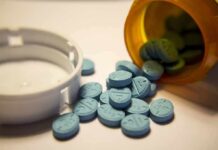
The most surprising thing about cannabis after 65 is not who uses it, but how quietly the risks creep in through the same door as the relief.
Story Snapshot
- Stanford doctors say older adults face higher risks from cannabis than they probably assume, especially for the heart and brain.
- Today’s marijuana is far more potent than the 1970s version, and that shift is driving accidental overdoses and emergency visits.[1][2]
- Falls, memory problems, and drug interactions turn “just a gummy” into a serious medical event in a vulnerable body.[1][3][5]
Why seniors are the new cannabis test case
Older Americans are quietly becoming one of the fastest-growing cannabis-using groups. Surveys show that about seven percent of people over 65 now report recent use, up from under five percent just a couple of years earlier.[1] Many are not looking to party; they are chasing sleep, easing arthritis, or trying to cut down on opioid pills. That sounds reasonable. The catch, Stanford experts say, is that these same people carry more heart disease, more medications, and more fragile balance than any other age bracket.[1][3]
Stanford psychiatrist Smita Das and cardiologist Joseph Wu describe a familiar pattern: a patient in their seventies, frustrated with pain or insomnia, hears a friend rave about cannabis, takes “just what they take,” and walks straight into side effects.[1][3][5] Unlike a thirty-year-old, that older patient often has narrowed arteries, mild memory loss, and a long list of prescriptions. The body that tolerated college-era joints is not the body that now meets today’s hyper-potent products.[1][2]
The potency problem: today’s cannabis is not your Woodstock joint
Stanford’s team hammers one basic point that many older users miss: legal cannabis today is much stronger than the street marijuana of the 1960s and 1970s.[1][2][5] Tetrahydrocannabinol, the main psychoactive ingredient, has climbed from single-digit percentages to levels several times higher in many modern products. That potency jump means a single “standard” gummy or vape hit can deliver a wallop an aging heart and brain simply were never trained on.
Public health data from Canada hint at where this goes. After nationwide legalization, emergency room visits for cannabis poisoning in people over 65 nearly tripled, largely from overconsumption or accidental ingestion.[1][2][4][5] These are not hardened users; they are grandparents misjudging a dose, stacking it with a glass of wine, or mistaking a child’s edible for regular candy.
Heart, brain, and balance: where the risks really bite
Heart risk sits at the center of Stanford’s warning. Recent research links cannabis use with increased heart disease, including higher rates of heart attack and stroke in regular users.[1][2][4][5] Joseph Wu, who directs the Stanford Cardiovascular Institute, stresses that even low, occasional use appears associated with inflammation in blood vessels. His blunt cardiology verdict: there is no completely safe amount of cannabis for the heart, and abstinence remains the safest choice.[1][2][5]
Layered on top of cardiac concerns are quieter, but very practical, dangers. Stanford experts highlight that cannabis can cause dizziness, confusion, and slowed reaction time, raising the risk of falls in older adults.[1][3][5] A fall that would bruise a teenager can break a hip or trigger a cascade of decline in someone in their seventies. They also note that cannabis can worsen existing memory problems or dementia and may flare chronic lung disease when smoked or vaped.[1][3][5] These may sound like small side effects until you remember how fragile independence becomes after 65.
When “natural” meets a bag of prescriptions
Many seniors trust cannabis because it feels “natural” or “plant-based.” Stanford clinicians flag a less comfortable truth: plant chemistry does not care about your marketing. Cannabis compounds, especially cannabidiol, can interfere with common medications by changing how the liver processes drugs.[1][2][3][5] Reports highlight concern about interactions with blood thinners, where impaired clearance can make these medicines linger longer, potentially raising bleeding risk.[2][5]
Cannabis use among older adults is rising fast, but today’s marijuana is far more potent than many people realize — and experts warn the risks may be underestimated. Stanford Medicine specialists say modern cannabis can increase the chances of heart problehttps://t.co/4QO0op8swJ
— Michael W. Deem (@Michael_W_Deem) May 15, 2026
Older adults are far more likely to juggle five, ten, or even fifteen prescriptions. Adding an unstandardized, variably potent substance into that mix without a doctor’s input is playing pharmacist with your own life. Stanford’s advice is simple but often ignored: tell your physicians exactly what cannabis products you use, how often you use them, and why.[1][3] Silence might feel easier, but it robs your medical team of the information they need to keep you safe.
Weighing relief against risk with clear eyes
Stanford’s message is not “no one ever should touch cannabis.” Their own reporting concedes that limited research shows benefits for some conditions, including pain and nausea.[1] The real argument is about who pays the price when something goes wrong. In a sixty-eight-year-old with heart disease, thin bones, and mild memory loss, a misjudged edible or vape session can mean a heart event, a broken hip, or a delirious night in the emergency room.
The evidence base remains incomplete and often observational, which means anyone promising you certainty—either “totally safe” or “pure evil”—is overselling.[1][3] That uncertainty itself should push older adults toward moderation, transparency with doctors, and a bias toward proven therapies first. Relief matters; so does staying alive, lucid, and on your feet. Cannabis after 65 sits right on that knife edge, and the wisest move may be to treat it less like a harmless herb and more like the powerful drug it has become.
Sources:
[1] Web – Regular cannabis use poses risks to those over 65, experts caution
[2] Web – Is medical cannabis really safe for older people?
[3] YouTube – Cannabis and older adults: Is the hit worth the hype? | 90 Seconds w
[4] Web – Cannabis Use in Older Adults: Five Critical Health Facts – WRD News
[5] Web – Cannabis and older adults: Five things medical experts want you to …