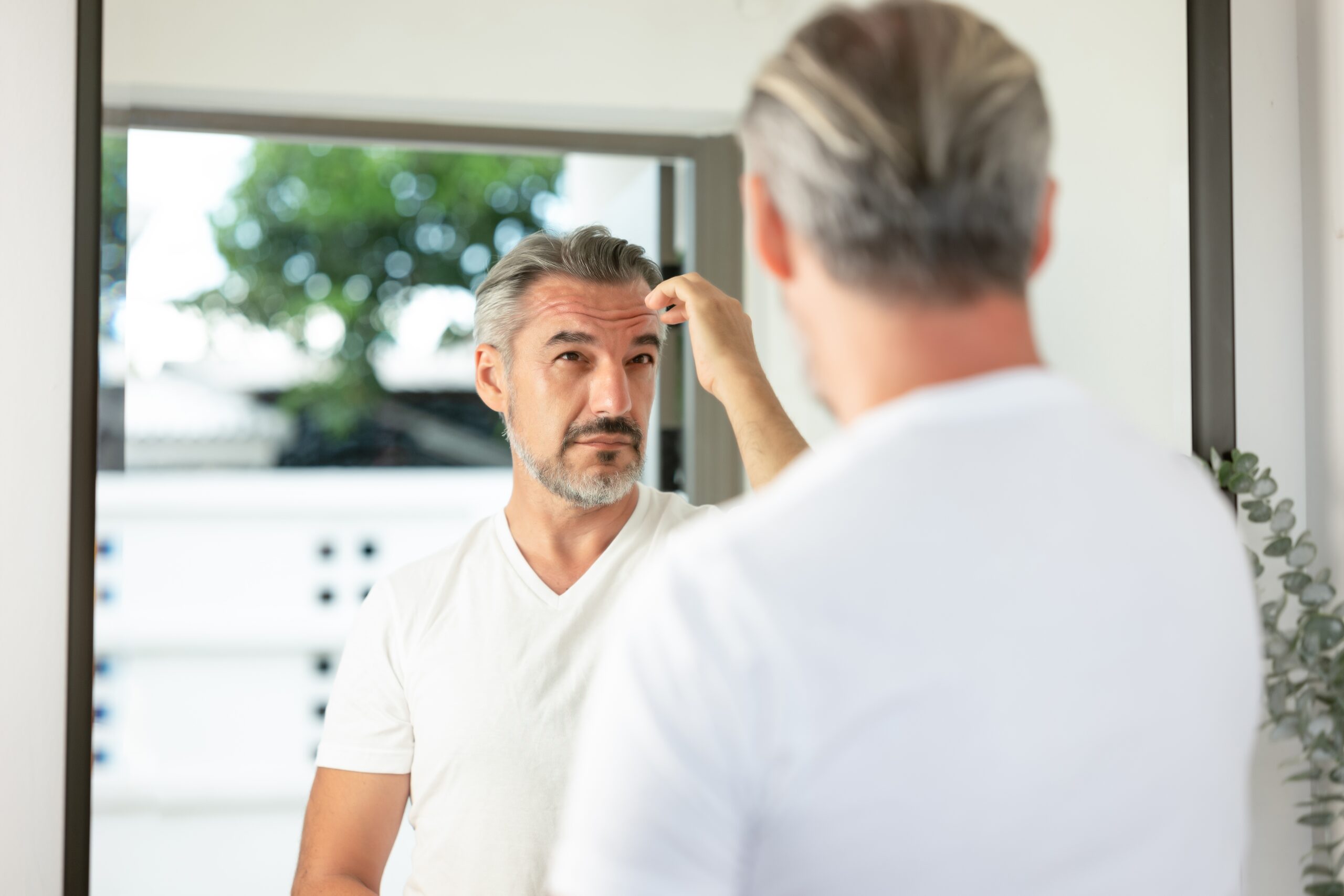
A thousand-year-old Chinese medicinal root might solve what millions of dollars in pharmaceutical research haven’t: genuine hair regrowth that works through biology, not luck.
Story Snapshot
- Polygonum multiflorum, used in Chinese medicine for over 1,000 years, shows promise for treating common hair loss through four distinct biological mechanisms
- Unlike finasteride and minoxidil which target single pathways, this ancient root attacks hair loss from multiple angles simultaneously
- February 2026 review bridges Tang Dynasty medical texts with modern molecular biology, validating traditional preparation methods
- Dermatologists caution optimal dosing and long-term safety data remain gaps despite encouraging laboratory findings
When Ancient Texts Meet Modern Laboratories
Tang Dynasty physicians documented something remarkable about a gnarled medicinal root they called He Shou Wu: it darkened hair and restored thickness in ways no other remedy could match. Fast forward through a millennium of empirical use, and scientists publishing in the Journal of Holistic Integrative Pharmacy have identified exactly why those ancient observations weren’t wishful thinking. Lead researcher Han Bixian synthesized historical Chinese medical literature with contemporary molecular studies, discovering that Polygonum multiflorum operates through four simultaneous biological pathways affecting hair follicle survival and growth.
The Four-Pronged Attack on Baldness
The root tackles androgenetic alopecia—the clinical term for pattern baldness affecting roughly 8 million women in the UK alone—through mechanisms pharmaceutical companies typically isolate individually. First, it reduces dihydrotestosterone effects, the hormone that shrinks follicles into uselessness. Second, it protects follicle cells from programmed death, keeping them viable longer. Third, it activates Wnt and Shh signaling pathways that regulate growth cycles. Fourth, it improves scalp blood flow, ensuring follicles receive adequate oxygen and nutrients. That multi-targeted approach distinguishes it from finasteride’s singular DHT focus or minoxidil’s vasodilation mechanism.
Dr. Cindy Wassef notes the herb works to nourish hair follicles while blocking cell death pathways, essentially addressing both prevention and regeneration simultaneously. Laboratory studies demonstrate actual elongation of growth phases rather than merely slowing hair loss progression. When properly processed according to traditional methods—a critical detail—the safety profile appears favorable compared to pharmaceuticals notorious for sexual dysfunction and scalp irritation side effects.
Ancient Chinese medicine may hold the key to hair regrowth | ScienceDaily https://t.co/Tv3PyOCGBq
— Charles Yeo (@charlesyeo) February 9, 2026
What the Yellow Emperor Knew About Your Scalp
Traditional Chinese medicine conceptualized hair health through kidney essence and blood circulation centuries before Western medicine understood follicle biology. The Yellow Emperor’s Inner Classic, composed during the Warring States Period, declared that thick, shiny hair signals sufficient essence and blood—a philosophical framework that guided herbal formulation for dynasties. The Compendium of Materia Medica from the Ming Dynasty codified specific preparation methods still relevant today. Modern researchers discovered these weren’t primitive superstitions but sophisticated observations of biological reality expressed through different terminology. The ancient insistence on proper processing turns out crucial for safety and efficacy.
The Gaps Between Promise and Proof
A 2016 clinical study of BeauTop, a six-herb TCM formulation, showed 47.1% of patients experienced improvement after six months, with significant improvement in 17.6%. Animal studies demonstrate increased hair follicle numbers and improved terminal-to-vellus hair ratios while reducing serum testosterone. Laboratory work confirms activation of multiple cellular pathways involved in follicle regulation. Yet dermatologists correctly identify what’s missing: large-scale, rigorously controlled human trials with standardized preparations and long-term follow-up. Publication bias in existing TCM literature may inflate effect sizes, making conservative interpretation prudent until better evidence emerges.
Regulatory bodies face decisions about how to evaluate herbal preparations lacking the standardization of synthetic drugs. TCM practitioners gain potential scientific legitimacy while confronting demands for evidence-based validation foreign to traditional practice. Patients weighing sexual dysfunction risks against cosmetic concerns might reasonably choose differently given a validated alternative. The convergence of ancient wisdom and modern methodology offers hope, provided enthusiasm doesn’t outpace evidence.
Sources:
Ancient Chinese medicine may hold the key to hair regrowth
Polygonum Multiflorum Hair Loss Study
Traditional Chinese Medicine for Androgenetic Alopecia
Clinical Study of TCM Formulation for Hair Loss