Chronic pain robbed me of years, and over-the-counter pills gave me nothing but false hope—until medical cannabis rewrote my story.
Story Snapshot
- Millions with chronic pain find OTC medications ineffective, leaving them trapped in a cycle of suffering and frustration.
- Medical cannabis is emerging as a legitimate, life-changing alternative for those failed by mainstream painkillers.
- Patient stories and a growing body of research challenge outdated stigmas and regulatory barriers.
- The shift toward cannabis-based pain relief reflects a broader reevaluation of how we treat pain in America.
The Failure of Conventional Pain Relief
Acetaminophen, ibuprofen, naproxen—these household names promise relief but often deliver disappointment for those with persistent pain. The reality is stark: OTC analgesics work well for temporary aches but falter against chronic conditions, leaving many patients in a limbo of unrelenting discomfort and diminished quality of life. The limitations of these drugs are not anecdotal; they are well-documented in both clinical practice and patient experience. For some, the search for relief becomes a daily grind of trial, error, and mounting frustration.
The opioid crisis further complicates the picture. Prescription opioids, once the go-to for severe pain, now carry the specter of addiction and overdose, pushing both patients and providers to seek safer alternatives. Against this backdrop, the failure of OTC painkillers isn’t just a personal setback—it’s a systemic shortcoming that demands new solutions.
‘Over-the-counter pain relief failed me – but I started to embrace life again when I turned to medical cannabis’ https://t.co/LlkO4CWm4R via @@Yahoo you could be a millionaire /
— Biagio Alfano (@BiagioAlfano11) October 4, 2025
A Turning Point: Embracing Medical Cannabis
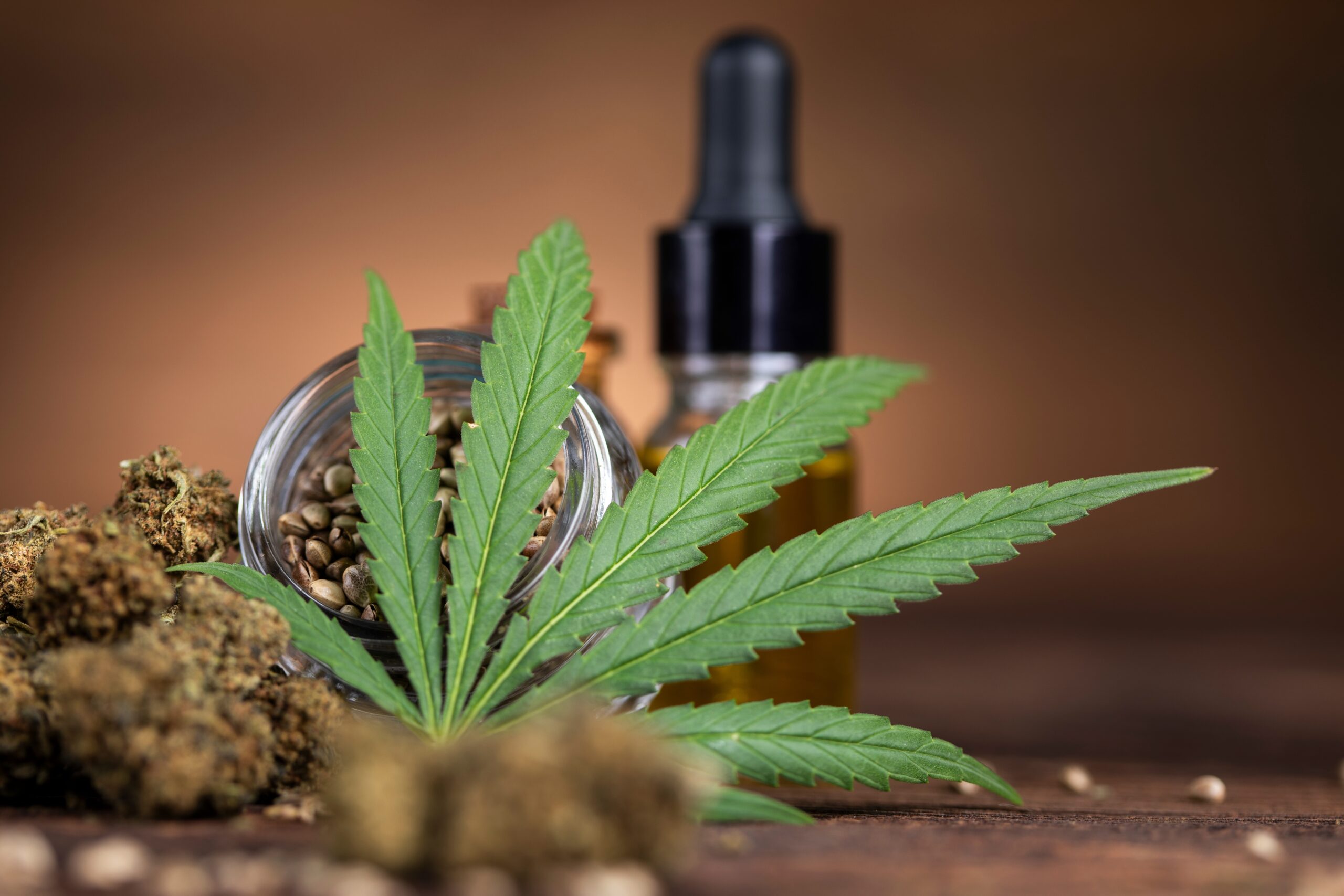
Medical cannabis enters the scene not as a fringe remedy, but as a scientifically grounded option with roots stretching back centuries. Modern research is catching up to what ancient healers knew: cannabis compounds interact with the body’s endocannabinoid system, modulating pain perception and inflammation. For patients who have exhausted conventional options, the transition to medical cannabis is often described as transformative—restoring function, reducing pain, and renewing hope.
Recent studies underscore this shift. A 2025 cohort analysis found medical cannabis more effective than prescription medications for chronic pain at three months, with benefits sustained at six months. Patients report not only reduced pain but also improved sleep, mood, and overall well-being—outcomes that eluded them with traditional therapies. These findings are reinforced by qualitative research highlighting the lived experience of individuals who have reclaimed their lives through cannabis-based treatment.
Science, Stigma, and the Search for Relief
The journey from OTC failure to cannabis success is not without obstacles. Stigma persists, fed by decades of misinformation and restrictive laws. Regulatory frameworks remain patchwork, with access and insurance coverage varying dramatically by region. Even as evidence mounts, some clinicians hesitate, citing the need for more robust, long-term data and standardized products. Skepticism is not unwarranted—cannabis is not a panacea, and individual responses vary. Yet, for many, the risk of trying cannabis pales in comparison to the certainty of continued suffering without it.
Innovation in the field is accelerating. Researchers are investigating non-psychoactive cannabinoids like CBD, CBG, and CBN, as well as cannabis terpenes, which may offer pain relief comparable to morphine but with fewer side effects. These advances promise to expand options for patients wary of THC’s psychoactive effects, further challenging the outdated view of cannabis as merely a recreational drug.
Broader Implications for Pain Management
The rise of medical cannabis signals a paradigm shift in how chronic pain is treated—and who gets to decide. Patient empowerment is central to this movement. Individuals are increasingly advocating for their right to safe, effective treatment, often in the face of bureaucratic and cultural resistance. The economic impact is also significant, with the medical cannabis sector growing rapidly and potentially reducing healthcare costs associated with opioid misuse and ineffective OTC use.
Socially, the normalization of medical cannabis use is destigmatizing a plant long vilified by policymakers. Politically, the debate continues, with calls for regulatory reform to facilitate research, ensure product safety, and expand access. The momentum is undeniable, but the path forward requires balancing patient needs with scientific rigor and public health priorities.
Sources:
Comparative effectiveness study, International Association for the Study of Pain, 2025
University of Arizona Health Sciences, study on cannabis terpenes, 2024
Qualitative study on perceived effectiveness of medical cannabis, 2023
Yale University, cannabinoid pain relief research, 2025