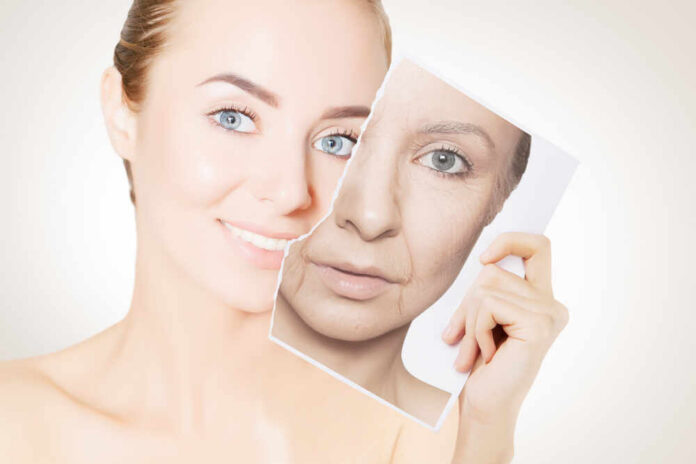
Your skin can rebuild its collagen network by more than a third in just 12 weeks without needles, lasers, or surgery.
Story Snapshot
- Oral collagen peptides increased dermal collagen fiber networks by 34.56 percent in a 2024 pilot study using electron microscopy to visualize structural regeneration in aged skin.
- Low-molecular-weight collagen peptides improved skin hydration within six weeks and elasticity within 12 weeks across multiple randomized controlled trials with zero reported adverse events.
- Marine collagen and recombinant human collagen emerged as bioavailable alternatives, with recombinant formulations showing superior mechanical properties for wound healing and photoaging reversal.
- Noninvasive collagen restoration shifts anti-aging strategies from risky injectables to evidence-based supplements and topicals, empowering consumers with accessible self-care options backed by peer-reviewed science.
The Collagen Crisis Nobody Talks About
Every decade after 30, your skin loses roughly 1.5 percent of its collagen reserves. That structural protein keeping your face firm and smooth unravels like old rope, fiber by fiber, until wrinkles etch permanent lines where youthful resilience once reigned. Photoaging from UV exposure accelerates this collapse, accounting for 80 to 90 percent of visible skin deterioration. For generations, reversing this damage meant surrendering to scalpels or syringes. Now, a quiet revolution in nutritional biochemistry proves your body can rebuild what time destroys, provided you feed it the right molecular building blocks.
When Science Finally Looked Inside Aging Skin
Researchers examining aged skin under scanning electron microscopes discovered something remarkable in 2024. After 12 weeks of targeted collagen peptide supplementation, the collagen fiber network expanded by 34.56 percent compared to baseline measurements. The study team used suction blisters to harvest microscopic skin samples without scarring, then analyzed the ultrastructure at magnifications revealing individual protein fibers. Cross-linking density improved, fiber length increased, and epidermal hyaluronic acid concentrations rose 18.08 percent. This pilot investigation marked the first time scientists directly visualized collagen regeneration from oral supplements rather than merely measuring surface hydration or elasticity.
How Peptides Outsmart Your Digestive System
Standard protein digestion shreds long collagen molecules into random amino acids your body distributes wherever needed. Low-molecular-weight collagen peptides sidestep this limitation through deliberate fragmentation into specific sequences. These bioactive peptides survive digestion intact, enter the bloodstream, and signal fibroblast cells in the dermis to ramp up collagen synthesis. Marine collagen from fish scales demonstrates particularly high bioavailability through the oral route, triggering unexpected biological responses beyond simple amino acid delivery. Hydrolyzed formulations typically show measurable hydration improvements at six weeks, with elasticity gains materializing by week 12 across randomized controlled trials comparing active supplements against placebo controls.
The Recombinant Revolution Reshaping Topicals
While oral peptides work from inside out, recombinant human collagen tackles skin aging from the surface. Biotech firms engineer human collagen genes into microbial production systems, yielding identical proteins without animal sourcing. These recombinant formulations outperform traditional collagens in mechanical strength tests and demonstrate accelerated wound closure with minimized scarring in clinical applications. Hydrogel delivery systems carrying recombinant collagen penetrate photoaged skin to restore hydration and elasticity markers declined by chronic UV exposure. The technology advanced beyond dermatology into corneal regeneration and bone repair, with rat models showing successful tissue restoration that researchers now translate into human protocols.
What Five Years of Data Actually Shows
Long-term studies tracking collagen matrix applications reveal sustained tissue improvements extending five years post-treatment. Porcine collagen matrices augmented keratinized tissue around dental implants, maintaining structural gains through multi-year follow-ups. Short-term human trials consistently report zero adverse events across oral peptide supplementation and topical recombinant applications. The safety profile stems from using bioidentical or highly purified collagen derivatives rather than foreign proteins triggering immune reactions. Economic implications favor noninvasive approaches, as supplement regimens cost fractions of surgical interventions while avoiding hospitalization, anesthesia risks, and recovery downtime that keep patients from work and normal activities.
Why Your Dermatologist May Not Mention This
The medical establishment moves cautiously adopting nutritional interventions despite mounting evidence. Most published studies remain small-scale pilots rather than the large Phase III trials pharmaceutical regulations demand for drug approvals. Collagen supplements occupy regulatory gray zones as generally recognized as safe nutrients rather than prescribed medications, creating financial disincentives for expensive large-scale human trials. Dermatology practices built around procedure-based revenue models lose income when patients achieve results through inexpensive oral supplementation. Yet peer-reviewed literature from independent academic institutions consistently validates efficacy claims, with blinded assessments eliminating placebo effect confounds and statistical significance reaching p-values below 0.0001 in key metrics.
What Remains Unknown
Science progresses through acknowledging limitations as clearly as confirming successes. Current collagen research lacks decades-long human outcome data tracking whether early gains persist through extended supplementation or plateau after initial improvements. Sample sizes in pioneering studies remain modest, typically involving dozens rather than thousands of participants necessary for detecting rare side effects or subgroup variations. Animal model successes with recombinant collagen in corneal and bone applications await full human translation confirming identical efficacy across species. Optimal dosing protocols, peptide molecular weight ranges, and combination therapies with other nutrients require systematic investigation beyond current ad hoc formulations dominating commercial markets.
Sources:
Recombinant Human Collagen Applications in Photoaging and Clinical Studies
Low-Molecular-Weight Collagen Peptides Effects on Skin Hydration and Elasticity
Recombinant Human Collagen in Tissue Engineering and Regenerative Medicine
Hydrolyzed Marine Collagen Emerging Evidence of Benefits Via the Oral Route