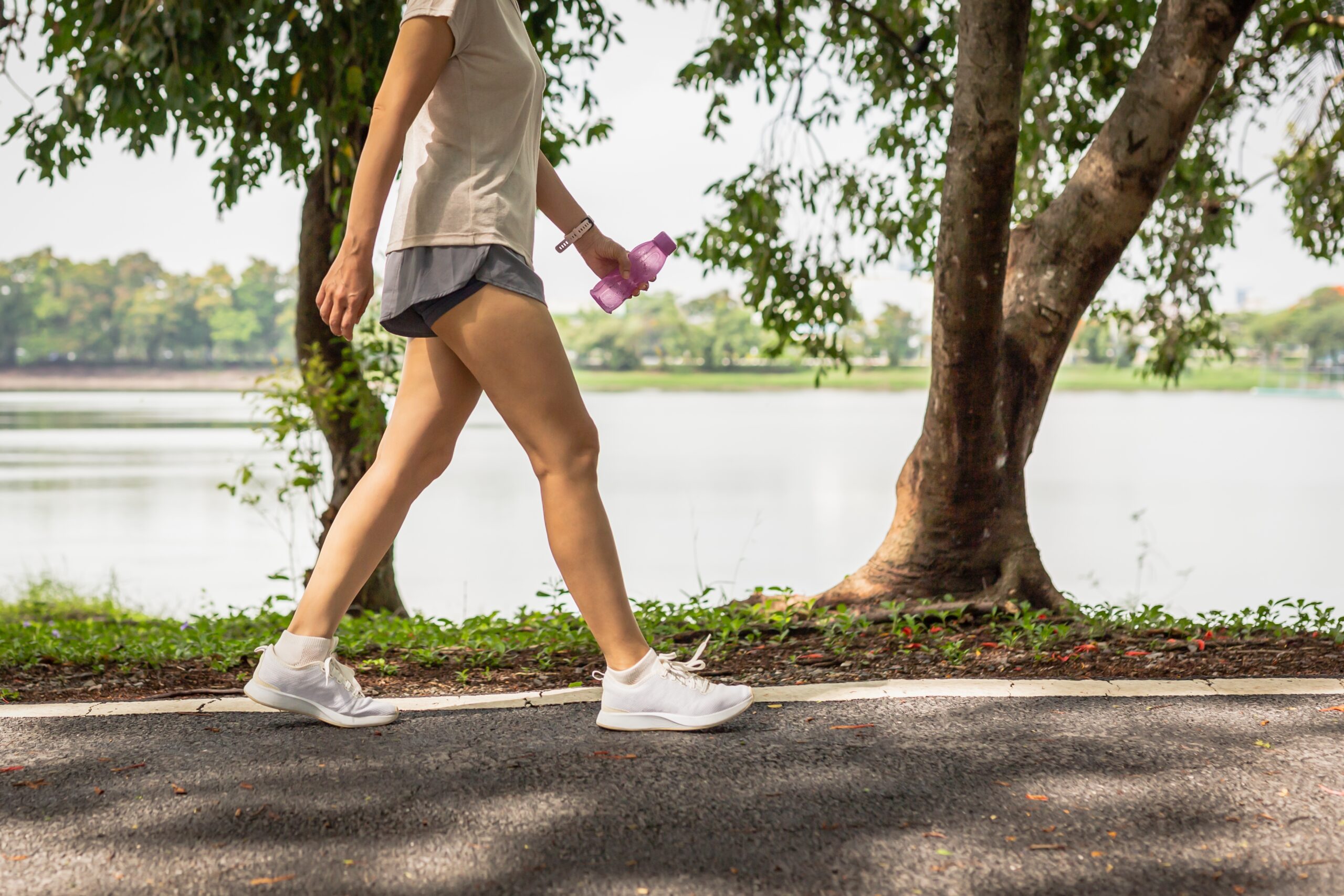
A mere five-minute walk after eating slashes blood sugar spikes by up to 64%, offering a simple shield against diabetes without pills or gyms.
Story Snapshot
- Five minutes of walking within 30-90 minutes post-meal moderates glucose peaks across normal, prediabetic, and Type 2 diabetes cases.
- Timing trumps duration: Start immediately as blood sugar surges from carbs hit hardest then.
- Superior to sitting or standing, this habit cuts cardiovascular risks and healthcare costs dramatically.
- Backed by decades of trials from Japan to UCLA, proving 2-15 minutes suffices for most adults.
Glucose Peaks Demand Immediate Action
Blood glucose surges 30-90 minutes after meals as carbs digest and insulin releases. This postprandial hyperglycemia worsens insulin resistance in prediabetes and Type 2 diabetes. Japanese trials from 2002-2006 proved walking right after eating curbs peaks through muscle uptake of glucose. UCLA Health’s 2023 analysis of seven studies confirmed even five minutes within that window reduces spikes effectively. Patients see benefits without equipment, fitting daily routines seamlessly.
Research Evolution Builds Ironclad Consensus
Early 2000s studies shifted focus from fasting glucose to post-meal timing, revealing superior control. A 2013 Diabetes Care trial tested three 15-minute walks in older adults, managing hyperglycemia better than other exercises. Meta-analyses since 2023 popularized shorter bouts: New Zealand research pinpointed 10 minutes after main meals for optimal daily glucose reduction. Cleveland Clinic experts affirm two to five minutes lowers levels modestly but meaningfully. Consensus holds across institutions.
Stakeholders Champion Accessible Prevention
UCLA Health and Cleveland Clinic researchers lead with meta-analyses reducing diabetes burdens. The American Diabetes Association endorses guidelines promoting post-meal walks for public health. Physicians prescribe these changes to monitor glucose in prediabetics. Patients, especially older adults at risk, adopt them to sidestep medications and complications. Pharma pushes drugs, but facts favor free lifestyle shifts aligning with self-reliance and common sense over dependency.
Watch:
Precise Durations Deliver Measurable Gains
Studies quantify impacts: Post-meal walks cut spikes 36-64%, boosting insulin sensitivity immediately. Long-term, they lower Type 2 diabetes risk, cardiovascular events, and support weight loss of 1.5-3kg monthly. Affects 463 million with diabetes or prediabetes globally, easing $966 billion in costs. Brisk pace enhances effects, but gentle suffices. Medicated patients avoid overexertion to prevent hypoglycemia—doctors advise personalization. Standing offers minor help, inferior to walking.
Expert Guidance Shapes Daily Habits
Cleveland Clinic’s Dr. Knapp notes peaks at 30-90 minutes; two to five minutes aids when paired with diet. UCLA verifies measurable drops in five minutes for all statuses. PMC authors stress starting ASAP, favoring 30 minutes over delays. Shield Medical deems 10 minutes ideal at gentle pace. Diabetes Care validates 15-minute bouts for seniors. Post-meal timing outperforms others; small trials limit pediatric data, but adult evidence dominates.
Sources:
Taking a Walk After Eating Can Help with Blood Sugar Control (UCLA Health)
Post-Meal 10-Minute Walk to Lower Blood Sugar Benefits (Shield Medical Group)
PMC Study on Post-Meal Walking (PMC)
Walking After Eating (Cleveland Clinic)
Walking After Meals: Small Habit, Big Metabolic Gains (News-Medical)
Three 15-min Bouts of Moderate Postmeal Walking (Diabetes Care)