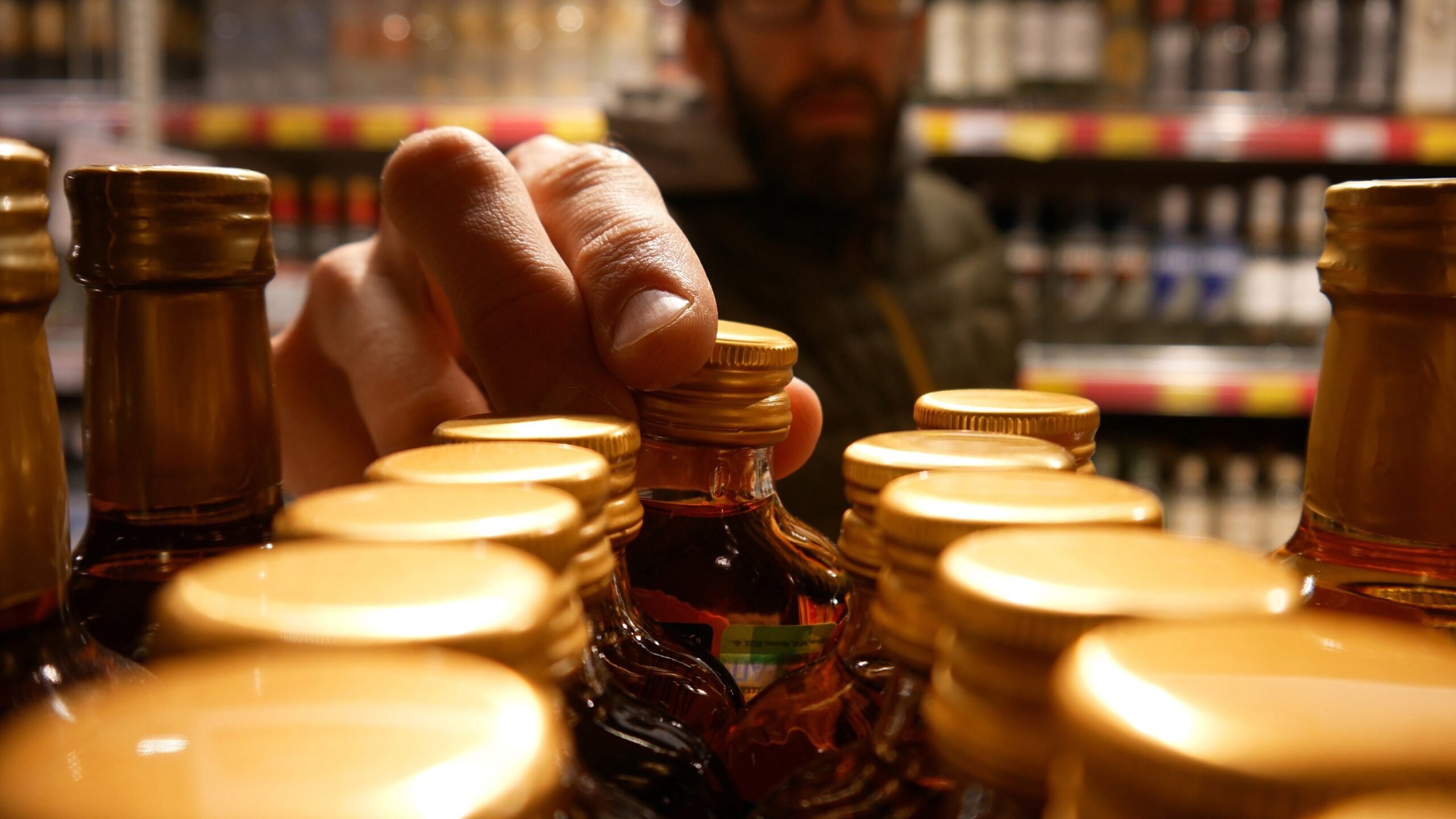
Cardiologists are sounding the alarm about a seemingly harmless evening ritual that’s silently driving up blood pressure rates across America.
Story Snapshot
- Regular evening alcohol consumption, even at moderate levels, significantly raises blood pressure over time
- Medical experts debunk decades-old myths about alcohol’s supposed heart benefits
- The delayed effect means blood pressure spikes occur 12+ hours after drinking, masking the connection
- American Heart Association now recommends minimizing all alcohol intake for optimal cardiovascular health
Medical Consensus Shifts on Alcohol and Heart Health
Leading cardiologists across the country are dismantling long-held beliefs about moderate drinking and cardiovascular wellness. Dr. Paul Drury from MemorialCare Saddleback Medical Center states that multiple studies demonstrate people consuming even moderate alcohol amounts face higher hypertension risks. More striking, individuals who reduce alcohol consumption can lower blood pressure without making any other lifestyle changes, revealing alcohol’s direct impact on cardiovascular function.
The American Heart Association has updated its guidance, moving away from earlier permissive stances on light drinking. This represents a significant departure from the 1990s and 2000s research that suggested potential benefits from red wine and moderate consumption. Current evidence shows a clear dose-dependent relationship between alcohol frequency and hypertension development, contradicting the previously promoted “J-curve” effect that implied protective benefits at low consumption levels.
The Surprising Habit That Raises Blood Pressure, According to Cardiologists – EatingWell https://t.co/dDxM1O2QRx
— David Kruger (@Davidjkruger) October 13, 2025
The Hidden Physiological Mechanism Behind Alcohol-Induced Hypertension
The insidious nature of alcohol’s blood pressure effects lies in their delayed onset and cumulative impact. Unlike immediate reactions to other substances, alcohol creates a rebound effect that increases sympathetic nervous system activity hours after consumption. This delayed response means many people never connect their evening drink with elevated morning blood pressure readings, allowing the harmful pattern to continue undetected for years.
Dr. James Beckerman from Providence Health warns that drinking any amount of alcohol can damage heart health, recommending people limit themselves as much as possible. The physiological process involves alcohol initially causing blood vessels to dilate, creating temporary relaxation. However, as the body metabolizes alcohol, blood vessels constrict more than baseline levels, leading to sustained pressure increases that compound with repeated exposure.
Breaking Free from Dangerous Relaxation Habits
For Americans who rely on evening alcohol to manage work stress and daily pressures, cardiologists recommend shifting toward genuinely heart-healthy alternatives. Exercise, creative hobbies, and meaningful social connections provide effective stress relief without cardiovascular risks. These activities support the body’s natural relaxation responses while strengthening rather than weakening heart health over time.
The broader implications extend beyond individual health choices to challenge an entire culture of stress management through substance use. As Trump’s administration focuses on reducing healthcare costs and promoting personal responsibility, this medical evidence supports moving away from habits that burden our healthcare system with preventable hypertension and heart disease. Taking control of our health choices aligns with conservative values of self-reliance and reducing dependence on expensive medical interventions.
Sources:
The Popular Nighttime Habit That Spikes Blood Pressure – Parade
5 Surprising Ways You May Be Damaging Your Heart – Providence Health
The Surprising Habit That Raises Blood Pressure – AOL
7 Habits for a Healthy Heart – Consulting Cardiologists