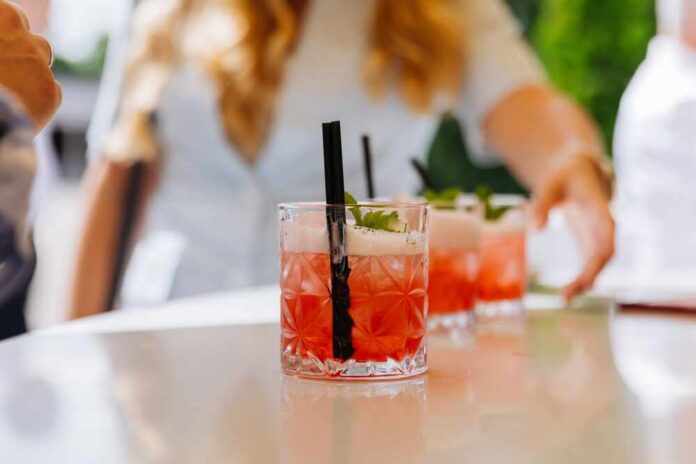
The hospitality industry is experiencing a consumer-driven revolution as Gen Z’s rejection of traditional drinking culture forces restaurants and bars to fundamentally reimagine their beverage programs—or risk becoming irrelevant.
Story Snapshot
- Restaurants with developed non-alcoholic beverage programs report 12% revenue increases and 8% higher average check sizes
- North American non-alcoholic spirits market projected to grow 9.4% annually through 2034
- Functional mocktails featuring adaptogens, nootropics, and botanicals have transitioned from niche offerings to mainstream essentials
- Gen Z’s significantly lower alcohol consumption rates are reshaping decades of hospitality industry standards
Market Forces Driving Beverage Industry Transformation
Gen Z consumers are fundamentally altering the beverage landscape through measurably lower alcohol consumption compared to previous generations. This generational shift reflects heightened health consciousness, mental wellness priorities, and resistance to social pressure that historically positioned alcohol as mandatory for celebration and social bonding. Restaurants recognizing this trend early have documented substantial financial returns: establishments with well-developed non-alcoholic programs achieved average beverage revenue increases of 12 percent in 2025, with one mid-sized urban restaurant reporting that mocktail sales accounted for 18 percent of total beverage sales within three months of menu introduction.
Premiumization Replaces Substitution Mentality
Forward-thinking hospitality operators have abandoned the historical approach of treating non-alcoholic beverages as inferior substitutes relegated to designated drivers and pregnant customers. Contemporary functional mocktails are priced comparably to alcoholic cocktails, signaling quality parity rather than compromise. These premium beverages integrate wellness ingredients including adaptogens, nootropics, probiotics, and electrolytes as baseline expectations rather than premium add-ons. The premiumization strategy allows establishments to expand their customer base to include health-conscious consumers, individuals avoiding alcohol for personal or religious reasons, and younger demographics seeking sophisticated beverage experiences without alcohol’s negative effects.
Functional Ingredients Become Industry Standard
The beverage industry has moved beyond simple hydration to what experts characterize as “functionality plus,” combining hydration with targeted benefits including energy enhancement, mental focus, gut support, and immune system reinforcement. Flavor houses are investing in advanced sensory technologies such as aroma burst systems, transparent flavor solutions, and texture differentiation designed to communicate specific wellness benefits through physical sensation. Savory and umami flavor profiles are emerging to mask botanical bitterness while reducing sweetness dependency, reflecting consumer sophistication and rejection of sugar-heavy formulations that dominated earlier wellness beverage categories.
Ritual-Based Consumption Reshapes Product Positioning
Consumers are proactively integrating wellness beverages into daily routines, treating functional drinks as foundational lifestyle tools rather than occasional treats or emergency interventions. This represents what industry analysts describe as a shift from reactive self-care to proactive wellness rituals. Beverages are now positioned for specific daily moments: morning focus, afternoon replenishment, and evening calm. This ritual-based consumption model aligns with broader wellness industry trends emphasizing preventive health measures and intentional lifestyle choices. The approach creates recurring purchase behavior and brand loyalty that differs fundamentally from the occasional consumption patterns associated with traditional celebratory alcoholic beverages.
Economic Projections Validate Business Model Shift
The North American non-alcoholic spirits market is projected to achieve a compound annual growth rate of 9.4 percent from 2024 to 2034, indicating sustained institutional confidence in market expansion. Ready-to-drink protein options are driving more than 10 percent of beverage expansions annually, demonstrating consumer willingness to pay premium prices for functional benefits. Traditional alcohol producers face market share erosion requiring product portfolio diversification, while ingredient suppliers are experiencing increased demand for botanicals, adaptogens, and specialty functional ingredients. Industry consensus characterizes premium non-alcoholic options as essential for competitive viability in 2026, with mocktail menus transitioning from optional differentiators to baseline expectations comparable to how vegetarian options evolved from specialty to standard.
Sources:
Why You Need a Mocktail Menu for 2026: Consumer Behavior Shift – Vanguard F&B Thynk Tank
2026 Flavor Trends – Sensapure
Non-Alcoholic Beverage Trends 2026 – Synergy Flavors
The Top 5 Drinks Trends of 2026 – Love Struck
Alcoholic Beverage Trends 2026 – Penn State Extension