Scientific breakthroughs that once seemed “creepy” are now saving lives and reshaping medicine.
Story Overview
- Gene editing and AI diagnostics are transforming healthcare.
- Brain implants and synthetic organs offer new hope for patients.
- Initial skepticism around these technologies is waning.
- Nobel Prize-winning research underscores their impact.
Revolutionary Medical Advances
Gene editing, particularly through CRISPR/Cas9 technology, marks one of the most groundbreaking shifts in modern medicine. The FDA’s recent approval of CRISPR therapies for sickle cell disease signifies a pivotal moment, offering new hope where traditional treatments fall short. This technology allows precise modifications to DNA, potentially eradicating genetic disorders previously deemed incurable. The Nobel Prize awarded in 2020 for this innovation highlights its significance, transforming theoretical possibilities into real-world solutions.
It sounds creepy, but these scientific breakthroughs could save lives https://t.co/MxJfwg3hMG
— Zicutake USA Comment (@Zicutake) October 30, 2025
AI-driven diagnostics represent another frontier. Utilizing advanced algorithms, these systems can analyze complex biological data swiftly and accurately, leading to early detection of diseases like cancer and heart disease. This not only enhances treatment outcomes but also reduces healthcare costs by catching ailments before they progress. The fusion of AI with nanotechnology further refines these capabilities, detecting rare disease markers with unprecedented precision.
Watch: Creepy Science Breakthroughs That Could Save Lives: Mini-Brains, Spider Gloves & More
Neurotechnology: Bridging Mind and Machine
Brain-computer interfaces, once the stuff of science fiction, are now a reality. In 2025, a brain implant enabled a paralyzed patient to communicate, illustrating the profound impact of neurotechnology. These devices translate neural activity into digital signals, offering a voice to those who have lost theirs. While the ethical implications prompt debate, the potential benefits cannot be ignored. For patients with severe neurological conditions, these implants represent a lifeline, enhancing quality of life and independence.
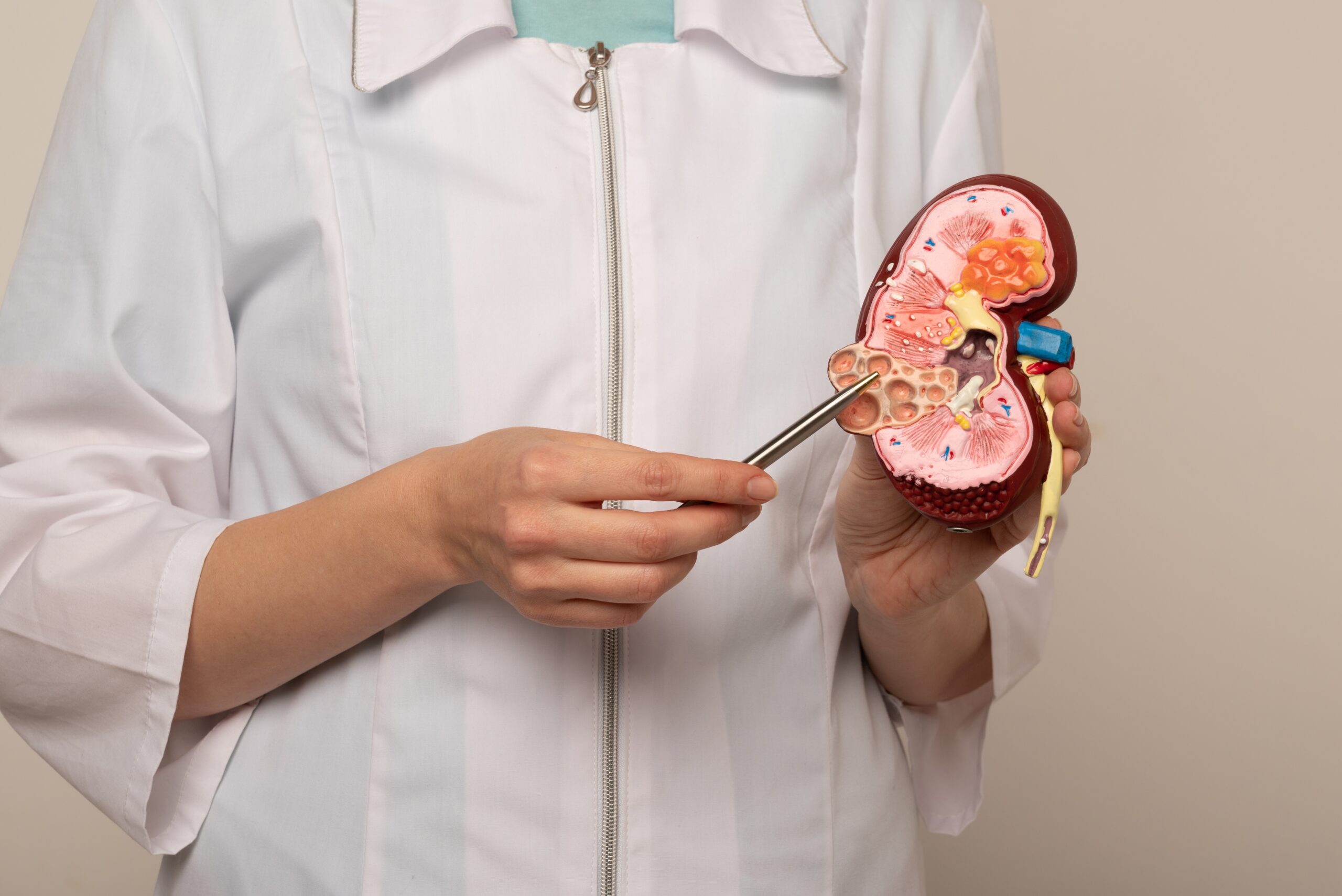
The development of synthetic organs further exemplifies how “creepy” science can revolutionize healthcare. Engineered tissues and organs offer solutions to the shortage of donor organs and eliminate issues of rejection. This technology not only saves lives but also pushes the boundaries of regenerative medicine, promising a future where organ failure is no longer a death sentence.
Ethical Considerations and Public Perception
Despite the life-saving potential of these technologies, they often face public skepticism and ethical scrutiny. Concerns about gene editing’s long-term effects and the invasiveness of brain implants underscore the need for robust ethical guidelines. However, as evidence of their efficacy mounts, public perception is gradually shifting. The Nobel Prize recognitions and FDA approvals lend credibility, fostering greater acceptance and enthusiasm.
Regulatory bodies play a crucial role in balancing innovation with safety. Ensuring that these technologies are both effective and ethical is paramount. Collaboration between researchers, institutions, and regulators is essential to navigate the complex landscape of modern medicine.
Sources:
MSU Today
Nobel Prize
Duke Today
AAMC News
Gates Foundation
UCSF News
St. Jude News