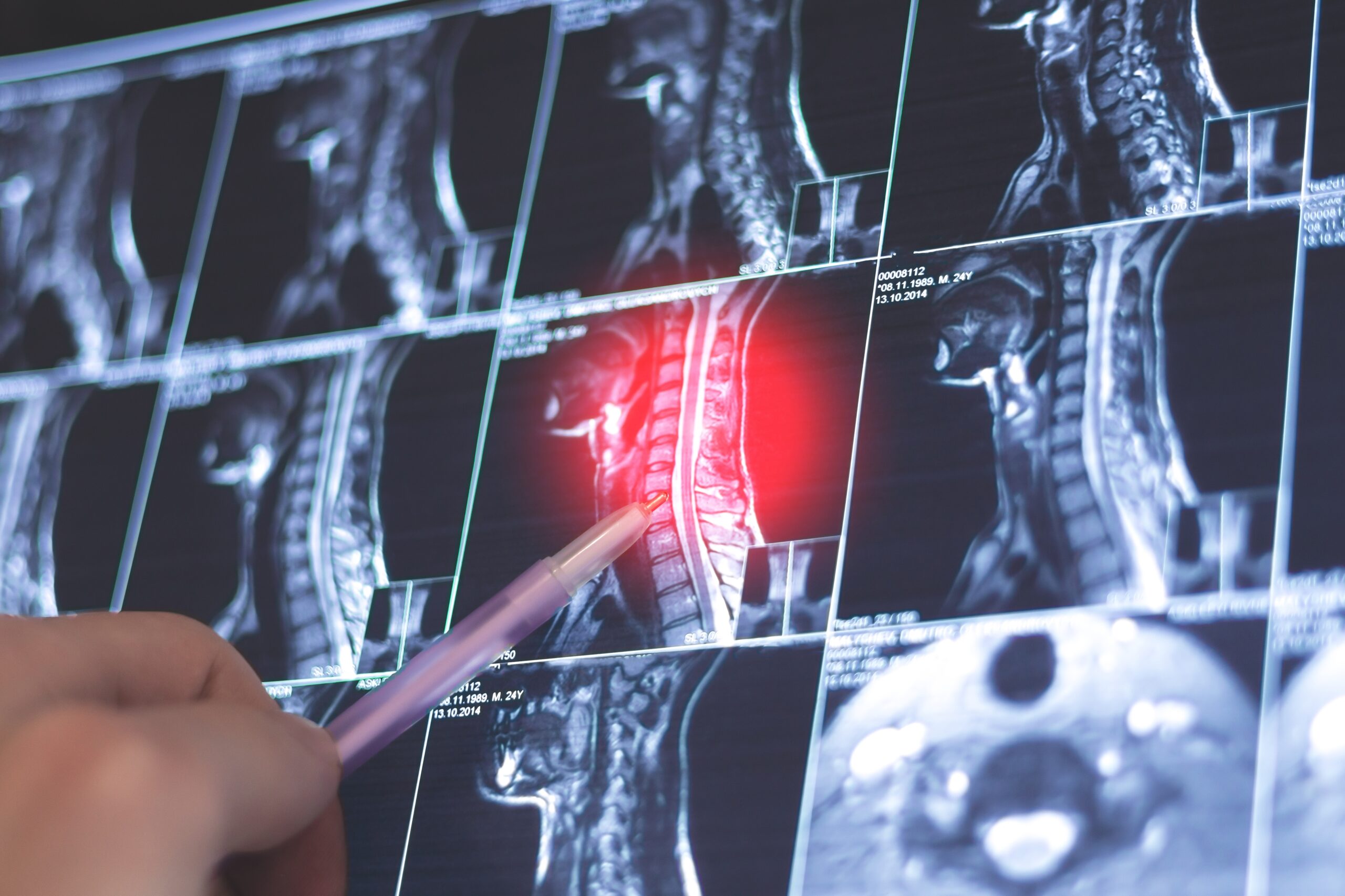
Hidden brain cells far from spinal cord injuries orchestrate secret repair signals that could unlock cures for paralysis long thought impossible.
Story Highlights
- Cedars-Sinai researchers discovered lesion-remote astrocytes (LRAs) that produce CCN1 protein to clear debris and reduce inflammation.
- Mouse models showed LRAs activate remotely, reprogramming microglia for efficient healing; human tissue confirms the mechanism.
- Published in Nature on February 13, 2026, this shifts focus from local scarring to distant cellular teamwork.
- Potential therapies target SCI, stroke, MS, neurodegeneration, explaining some spontaneous recoveries.
- Preclinical stage promises biotech shifts toward endogenous glia over stem cells.
Lesion-Remote Astrocytes Activate Post-Injury
Joshua Burda’s team at Cedars-Sinai Medical Center identified LRAs, astrocytes distant from spinal cord injury sites. These cells detect damage remotely and secrete CCN1 protein. CCN1 signals microglia to phagocytose myelin debris efficiently. Myelin debris otherwise accumulates, fueling chronic inflammation and blocking axon regrowth. Mouse experiments crushed spinal cords, revealing LRA activation within days. Human spinal tissue mirrored this response, validating the pathway across species.
CCN1 Reprograms Microglia Metabolism
LRAs differ from local astrocytes, which form scar tissue. CCN1 reprograms microglia to shift metabolism, enabling phagocytosis without overload. Removing CCN1 in mice caused debris clusters and poor healing. Burda stated, “Astrocytes far from the injury help drive repair.” This explains partial spontaneous recoveries in some SCI patients. The mechanism targets the core bottleneck: undigested debris inhibiting regeneration in mammals, unlike regenerating invertebrates.
Watch:
Cedars-Sinai Leads Discovery Efforts
Joshua Burda, PhD, senior author and Assistant Professor of Biomedical Sciences and Neurology, led the study. David Underhill, PhD, Department Chair, emphasized LRAs’ regeneration potential. Cedars-Sinai conducted mouse models and analyzed human tissue. Published in Nature, the work builds on 2025 UCSF findings of glial roles in brain injuries. No conflicts noted; academic drive prioritizes open insights for trials. Funders like NIH likely influence next steps.
Therapy Potential for Paralysis and Beyond
SCI strikes 250,000-500,000 worldwide yearly, with 18,000 U.S. cases causing paralysis. CCN1 therapies could limit scarring, boost axon regrowth for SCI, stroke, MS. Burda develops CCN1-based treatments for neurodegeneration and aging. Short-term, LRA/CCN1 biomarkers predict recovery odds. Long-term, glial focus shifts regenerative medicine from risky stem cells to the body’s own cells. Biotech investments may surge, cutting healthcare costs through mobility gains.
Scientists discover hidden brain cells that help heal spinal cord injuries https://t.co/nTAE92sW1q
— #TheRebelDemocrat (@ejnyamogo) February 14, 2026
Expert Consensus on Debris Clearance Bottleneck
Underhill noted LRAs curb inflammation for meaningful regeneration. Consensus views debris clearance as a key CNS repair hurdle. Preclinical human data observational, demanding trials for causality. Facts align with common sense: harnessing natural repair beats invasive interventions. Conservative values favor efficient, body-led solutions over endless funding for unproven exotics like stem cells. Nature’s peer-review cements credibility.
Sources:
Scientists discover hidden brain cells that help heal spinal cord injuries
IMS researchers discover how spine could heal itself after injury using hidden stem cells
Silent spinal cord cells may hold the key to healing after devastating injuries and brain disease