Modern science quietly agrees on something performance coaches shout from the rooftops: when fear makes you avoid pain and challenge, your world shrinks long before your body gives out.
Story Snapshot
- Fear-avoidance turns short-term pain into long-term disability and lost function.
- Catastrophic thinking about pain creates a vicious cycle of inactivity and decline.
- Athletes with more fear-avoidance stay sidelined longer and move worse after injury.
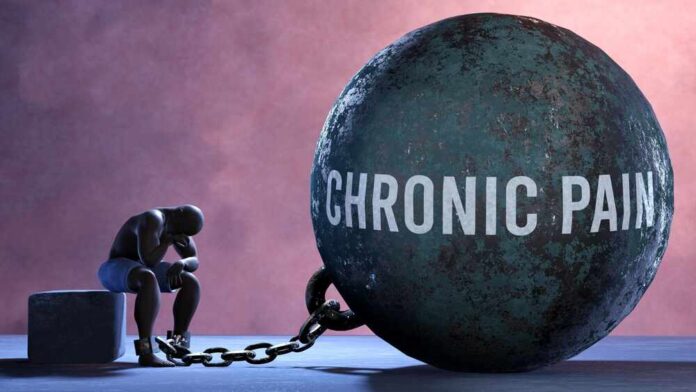
How fear-avoidance shifts pain from signal to prison
The fear-avoidance model started in medicine with a simple question: why do some people heal and others stay stuck in chronic pain? Researchers found one key factor was not the injury itself, but what the person believed about that pain. When someone fears pain and expects the worst, they begin to avoid movement and activity. Over time, that avoidance weakens muscles, lowers fitness, and makes even normal tasks feel harder and more painful.
Clinical studies show this pattern clearly. People with higher fear-avoidance beliefs when pain is still acute are more likely to develop lasting disability down the road. The pain may have started as a normal injury. Yet the person’s sense of alarm, their mental “danger” signal about pain, becomes the real tipping point that stops them from living normally. Pain moves from being a warning light to a trap, built by the mind as much as the body.
Catastrophizing, hypervigilance, and the vicious cycle
The model explains not just fear, but the thinking that feeds it. When people catastrophize pain, they tell themselves extreme stories: “This will never get better,” or “One wrong move and I’m ruined.” That thinking leads to more fear, more watchful checking of every sensation, and more “safety” behaviors like avoiding activity. This emotional storm amplifies the felt intensity of pain and pushes people into chronic phases of disability, disuse, and even depression.
Researchers describe a vicious cycle. Fear of movement and re-injury predicts self-reported disability better than many physical measures. The person avoids activity, gets weaker, and then even small pains feel bigger and more threatening. Disability grows even if the original injury should have healed.
What happens when we apply this to athletes and high performers
Over time, sport scientists began asking if the same fear-avoidance pattern shows up in athletes. They developed athlete-specific tools, like the Athlete Fear Avoidance Questionnaire, to measure how much injured players fear pain and returning to play. Studies now show that higher athlete fear-avoidance is linked to longer rehab times and slower return to competition. Athletes who fear pain more take longer to get back in the game, even when the physical injury is similar.
One study found athlete fear-avoidance explained a meaningful chunk of the drop in physical function after injury. For every rise in fear-avoidance score, physical performance fell. Another line of work reports that fear-avoidance is more strongly related to rehab time than some older general fear-avoidance scales. In plain English, if an athlete treats pain as a stop sign instead of a speed bump, they usually stay off the field longer and move worse when they finally return.
From disability to “potential”: a powerful idea with a thin evidence base
This is where Dr. Gio Valiante and other performance coaches enter the story. They take the medical fear-avoidance model and push it beyond pain clinics and training rooms, into the broader idea of “excellence” and “potential.” Their message is attractive: if fear of pain and failure keeps you from hard work, it does not just feed disability, it blocks the life you could have had.
But the research package you assembled shows a gap between that message and hard data. The most robust studies focus on low back pain, chronic musculoskeletal problems, and injured athletes, not everyday workers or leaders chasing career or creative goals. There is no peer-reviewed paper from Valiante directly proving that the pain-based fear-avoidance mindset, as measured in clinics, predicts general “blocked potential” in non-pain domains. That does not make his idea false; it means it is still an extrapolation, not settled science.
Fear of failure, social judgment, and where the models may meet
Outside pain research, other fields quietly echo similar patterns. Work on fear of failure in science, technology, engineering, and math shows that students who fear failing avoid hard challenges and lower their effort. Entrepreneurship research finds that fear of failure reduces the odds that people will start a business or try again after a setback. These papers speak to performance, not pain, yet they reveal the same basic loop: fear, avoidance, and shrinking ambition.
Medical fear-avoidance studies show how fear of pain and re-injury can erode physical freedom and work capacity. Performance and business studies show how fear of failure erodes risk-taking and enterprise. When a coach like Valiante links these worlds and warns that fear-driven avoidance blocks your potential, he is drawing a line that fits the spirit of the evidence, even if the exact claim goes beyond what the data directly prove.
How to use this mindset without buying untested hype
The safest takeaway is both sharp and modest. The fear-avoidance model has strong support as a framework for how fear of pain can drive real disability and loss of function. Athlete-specific work shows that fear-avoidance helps explain why some injured players lag in recovery and performance. Separate literatures on fear of failure in school and business show fear can push people away from challenge and opportunity. Together, these strands back a simple rule: when fear makes you avoid pain or risk, your life gets smaller.
Where readers should stay skeptical is when anyone claims this model “proves” that fear-avoidance explains all blocked potential everywhere. The current science does not say that. It does say that if you treat pain, effort, and possible failure as dangers instead of duties, you raise your odds of both physical disability and stalled growth. For a 40-plus reader who has seen how comfort culture saps grit, that may be all the evidence you need to start asking a harder question: what exactly has your fear been quietly talking you out of?
Sources:
fs.blog, pubmed.ncbi.nlm.nih.gov, physio-pedia.com, instituteforchronicpain.org, cbphysicaltherapy.com, greaterpittsburghphysicaltherapy.com, fearlessgolf.com, dovepress.com, academia.edu, pmc.ncbi.nlm.nih.gov, sciencedirect.com