The hottest weight-loss drugs on earth may be quietly draining your desire to move — and your muscles along with it.
Story Snapshot
- People on GLP-1 weight loss drugs are logging fewer daily steps and less exercise after starting the meds.
- Less movement during rapid weight loss can mean more muscle loss, weaker bones, and lower long-term resilience.
- Experts say the drugs work, but diet and regular exercise still decide whether you end up strong or fragile.
- Simple, steady walking and basic strength training can turn a quick drug fix into a durable health upgrade.
What the new Fitbit study really saw in GLP-1 users
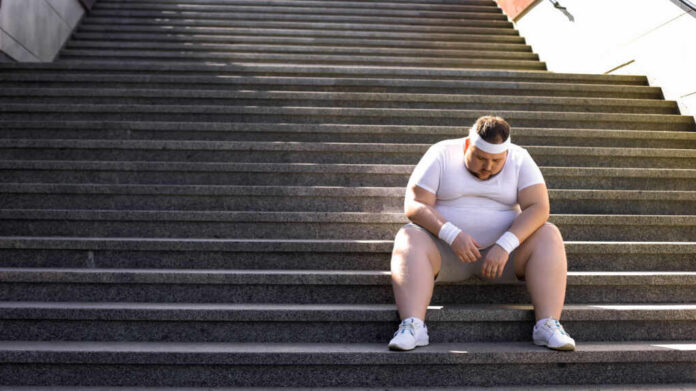
Researchers who tracked adults with obesity on GLP-1 drugs using Fitbit devices found a clear pattern: people lost weight, but they also started moving less.[4] Average daily steps dropped from a little over 5,000 to under 4,500, and minutes of moderate to vigorous activity slid down as well.[4] The team expected slimmer bodies to be more active. Instead, the data showed no sign that weight loss from the drugs pushed people to exercise more.[2]
That finding lines up with a deeper concern from scientists studying brain signals and movement. Lab work suggests these drugs calm parts of the brain that drive spontaneous physical activity.[1] Think of all the tiny motions you do without planning — getting up more often, pacing on calls, taking the stairs. Those “background” movements help protect muscle and metabolism. When they fall, the scale can drop while fitness quietly erodes.[1]
Why moving less on a weight loss drug is a real problem
Glucagon-like peptide-1 medications like semaglutide and tirzepatide are very effective for weight loss and blood sugar control.[3] People can lose 15 percent or more of their body weight, sometimes without changing their routines much.[5] But rapid weight loss always risks taking muscle with fat. Doctors now estimate that more than 30 percent of the weight lost on these drugs can be muscle, not just belly fat.[7] That trade might look fine at 45, then hit hard at 65.
Muscle is your real retirement account. It keeps your balance, protects your joints, and helps your body handle stress and sickness. Harvard public health experts warn that diet and exercise are still needed on GLP-1s to protect long-term health and make results last.[6] Without movement, one corporate analysis found users lose “physical resilience,” driving more costly claims for back, joint, and mobility problems later on.[6] That is the quiet bill that arrives long after the weight-loss selfie.
How GLP-1s, appetite, and fatigue team up against your workouts
Most people do not skip exercise on purpose. The drugs blunt appetite, shrink meal size, and can cause nausea, making it easy to undereat protein, carbs, and calories. Clinics report that many patients on GLP-1 drugs feel wiped out, gassed in workouts, or slow to recover, often because they are under-fueled, not because exercise itself is unsafe.[8] When every workout feels like a slog, even motivated adults start opting for the couch.
At the same time, early weight loss improves blood pressure, blood sugar, and joint load. That can create a false sense of “mission accomplished.” A review of GLP-1 drugs and exercise notes that the drugs beat workouts for short-term weight loss, but exercise clearly wins for building fitness, preserving lean mass, and improving overall function.[9] In plain terms: the shot can shrink your body, but only your habits decide if you become a smaller, stronger person or a smaller, weaker one.[9]
People taking GLP-1 weight loss drugs like Ozempic started moving less
People taking popular weight-loss drugs such as Ozempic, Wegovy, Mounjaro, and Zepbound may be losing pounds, but they could also be moving less. Researchers analyzing Fitbit data found that daily step counts…
— The Something Guy 🇿🇦 (@thesomethingguy) June 14, 2026
Smarter use means simple, durable action steps. Leading hospitals recommend aiming for about 150 minutes a week of moderate exercise plus at least two days of strength training to protect muscle while on GLP-1s.[4][5] That can be brisk walking most days and basic moves like squats, push-ups on a counter, and light dumbbell rows. Start with 10 to 15 minutes if you were sedentary, and build slowly as your dose and energy stabilize.[4]
How to stack the deck in your favor if you are on a GLP-1
First, treat the medication as a window, not a crutch. Use the appetite control to clean up your diet and hit daily protein goals, so your body has the raw material to hold muscle. Second, schedule movement like a meeting: short daily walks after meals and two brief strength sessions each week are enough to change your trajectory.[3] Third, listen for red flags like dizziness, crushing fatigue, or sharp pain, and adjust with your doctor’s help.[1]
Done right, GLP-1 drugs can be a bridge from feeling stuck to feeling capable. But the Fitbit data is a warning: without intent, the bridge can quietly turn into a ramp down toward less motion and more frailty.[4] The culture will keep chasing miracle fixes. Take the tool if you and your doctor choose it, but keep your legs, your lungs, and your backbone in the game.
Sources:
[1] Web – People taking GLP-1 weight loss drugs like Ozempic started moving less
[2] Web – GLP-1 Therapies Silence Spontaneous Physical Activity
[3] Web – Ozempic, Wegovy: Why People Using GLP-1s Are Less Likely to …
[4] Web – GLP-1 agonists and exercise: the future of lifestyle prioritization – …
[5] Web – Exercise Decreases Among People Taking GLP-1 Medication
[6] Web – Body image and interest in GLP-1 weight loss medications
[7] Web – [PDF] How movement anchors GLP-1 success and saves employers millions
[8] Web – Fitbit Intervention With Coordinated Health Coaching and PCP …
[9] Web – No pill for exercise: Why GLP-1s can’t replace physical activity