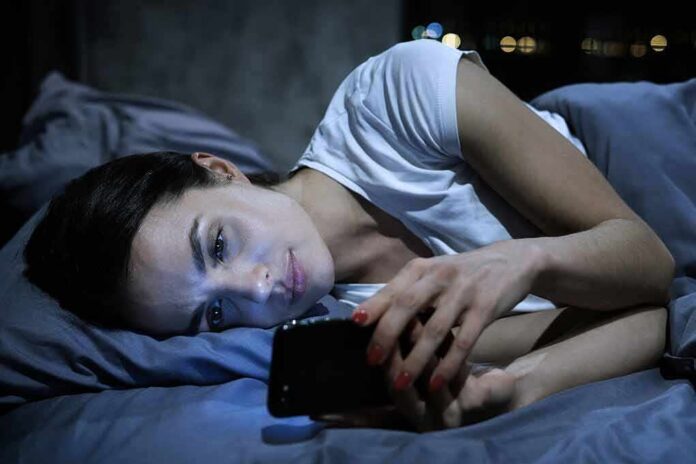
Social media is quietly rearranging how we look at our partners, our options, and even our vows.
Story Snapshot
- Romantic life now unfolds under the constant glow of feeds, likes, and direct messages.
- Algorithms expand our pool of “alternatives,” which can strain commitment if we are not careful.
- Excessive use links to jealousy, conflict, and lower relationship satisfaction, especially on image-heavy apps.
- Strong couples still win with old-fashioned habits: sacrifice, trust, and smart boundaries around screens.
How Social Media Turned Every Phone Into A Quiet Dating Arena
Romantic relationships used to be shaped by who happened to live, work, or worship near you. Now a committed partner can sit on the couch, open an app, and scroll through hundreds of attractive strangers before the next commercial break. Psychologists describe platforms like Instagram as “cloaked dating environments” because they create private back channels and endless alternatives without anyone changing their official relationship status. The phone in your pocket does not say “dating app,” but it often behaves exactly like one.
Researchers such as Dr. Paul Eastwick and Dr. Andrew Huberman point to a key psychological process called “derogation of alternatives.” In plain terms, people in healthy, committed relationships tend to downplay the appeal of other potential partners. That mental habit protects the bond. Constant exposure to polished photos and flirty messages can wear down that protective filter. When someone starts mentally upgrading every online stranger and downgrading their own partner, the foundation of commitment begins to crack.
More Options, More Jealousy, And Less Satisfaction
Social media affects not only how many people we see but also how we feel about the person we already chose. Studies show that the more time one partner spends on social media, the more the other partner reports mistrust and lower relationship satisfaction. Instagram-heavy use in particular has been linked to less satisfaction, more conflict, and even addictive patterns of checking the platform that loop back into more relationship problems. The couple fights more, feels less close, then escapes back into the very app that helped fuel the distance.
Jealousy gets supercharged because social media turns private moments into public performances. One classic study on social network sites found that people enjoy seeing their partner post loving content, but jealousy rises when they see flirty comments, ambiguous photos, or old flames popping up in likes and tags. Another study found that social media jealousy leads to more electronic partner surveillance and lower relationship satisfaction a year later. Once checking your partner’s phone or feed becomes a habit, trust tends to erode, not improve.
When Social Media Helps Love Instead Of Hurting It
Social media is not pure poison for romance. It can help couples maintain closeness when they live apart, share inside jokes, and publicly signal commitment to friends and family. Posting a wedding anniversary photo or a proud message about your spouse can strengthen your shared identity as a couple. Some research even finds that, on balance, users are more likely to feel happy about their partner’s public affection than to feel jealous, especially when self-esteem is solid. The same tool that sparks envy in one couple can reinforce loyalty in another.
One study of Instagram use found a striking pattern: people who were more willing to make daily sacrifices for their partner reported higher relationship satisfaction and fewer conflicts, even when using the platform. Technology does not remove personal responsibility. Character still matters. Couples who practice self-control, loyalty, and service to each other can use social media as a tool, not a wedge.
The Algorithm Is Not Neutral, But It Is Not Destiny
Behind every feed sits an algorithm deciding what you see next. Research on social media algorithms shows that changing feed design changes what people see and how long they stay on the platform. In a large field experiment during an election, shifting people from an algorithmic feed to a simple chronological feed reduced their time on Facebook and Instagram and changed their exposure to political content. Design choices on these platforms are not neutral; they push certain types of content and keep people hooked.
Broader reviews find that algorithms can amplify unhealthy social comparison, reinforce echo chambers, and link to depression and anxiety, though the exact size of those effects is still debated. For romantic life, that means the deck is stacked in favor of whatever grabs attention: perfect bodies, dramatic breakups, and over-the-top romantic gestures. Couples who want lasting love must push back with clear rules about screens at dinner, late-night messaging, and what counts as flirting online.
Sources:
youtube.com, pmc.ncbi.nlm.nih.gov, bipartisanpolicy.org, skillfloor.com, news.northwestern.edu, slideshare.net, scientificamerican.com, sgp.fas.org