Your morning cup of tea might be a ticket to a longer life, but only if you’re drinking it the right way.
Story Snapshot
- Fresh tea, especially green varieties, reduces risks of heart disease, cancer, diabetes, and cognitive decline by up to 13%
- Bottled and bubble teas loaded with sugars and additives completely negate tea’s health benefits
- Two to three cups daily of freshly brewed tea offers optimal protection for aging adults
- Major studies involving nearly 500,000 participants confirm tea’s role in lowering mortality rates
- Preparation method matters as much as the tea type when pursuing longevity benefits
The Preparation Problem Nobody Talks About
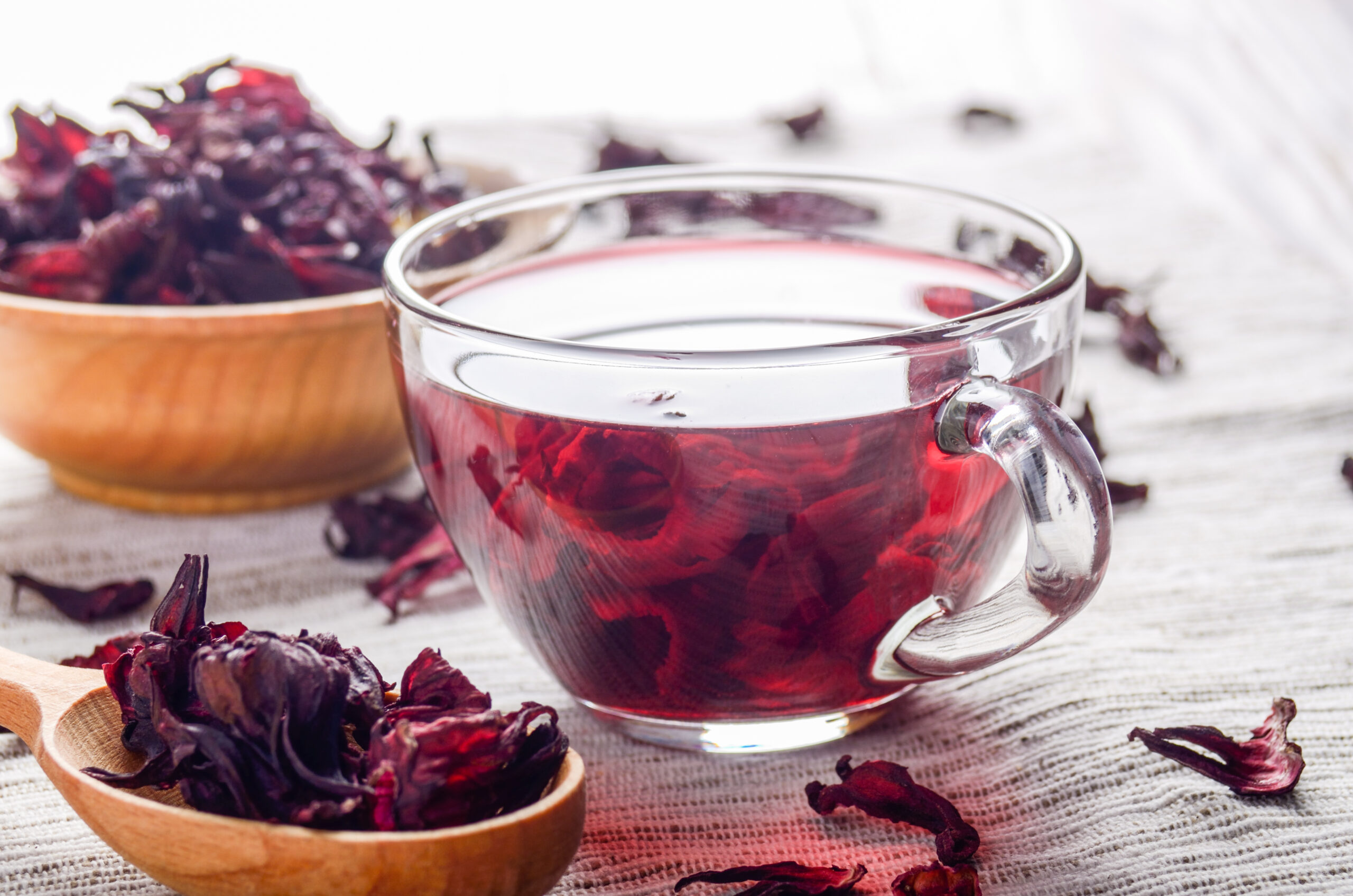
A comprehensive review published January 28, 2026, by Maximum Academic Press reveals what tea enthusiasts suspected all along: how you prepare your tea determines whether you reap health rewards or waste your money. The research links freshly brewed tea, particularly green varieties, to reduced risks of cardiovascular diseases, obesity, diabetes, cancer, cognitive decline, and age-related muscle loss. The secret lies in antioxidants called catechins. But here’s the catch: reach for that bottled sweet tea or trendy bubble tea, and you’ve just transformed a health elixir into a sugary beverage that undermines every benefit science promises.
Meet My Healthy Doc – instant answers, anytime, anywhere.
What Decades of Research Actually Prove
The 2022 UK Biobank study tracked 498,043 participants for 11 years and found that drinking two or more cups of black tea daily lowered all-cause mortality by nine to 13 percent. Deaths from cardiovascular disease and stroke dropped similarly, regardless of whether drinkers added milk or sugar. Those findings align with earlier research on green tea showing reduced cholesterol, lower blood pressure, and decreased Alzheimer’s biomarkers. Tea polyphenols have been studied since the early 2000s for their antioxidant and anti-inflammatory properties, with roots extending back to traditional Chinese medicine practices centuries old.
Scientists identified specific mechanisms behind tea’s protective effects. Polyphenols in tea boost the body’s oxidoreductase systems, increasing enzymes like catalase, glutathione peroxidase, and superoxide dismutase that combat oxidative stress. Green tea catechins and black tea theaflavins inhibit inflammatory pathways, particularly NF-κB, which plays a role in cancer development. Studies from 2001 to 2019 demonstrated these compounds’ ability to regulate lipid metabolism and prevent cancers of the respiratory and digestive systems. The evidence accumulated across multiple continents, observing populations with vastly different tea-drinking customs.
The Optimal Tea Drinking Strategy
Harvard’s T.H. Chan School of Public Health and Cleveland Clinic agree: two to three cups daily delivers maximum benefits without overdoing caffeine intake. Green tea contains the highest concentration of catechins, making it the most potent option for weight management and diabetes control. Black tea offers a viable alternative with its own set of beneficial compounds, theaflavins and thearubigins. The key distinction lies in freshness. Loose-leaf or bagged tea steeped at home preserves antioxidants that processing destroys. Temperature matters too, with water just below boiling extracting compounds without bitterness.
#Tea can improve your #health and longevity, but how you drink it mattershttps://t.co/XkmFlMP2EE pic.twitter.com/auzjqtS2Dp
— Healthnika (@healthnika) January 28, 2026
Where Modern Tea Culture Goes Wrong
The explosion of bottled tea beverages and bubble tea shops created a paradox: tea consumption increased while health benefits disappeared. Manufacturers add sugars, artificial sweeteners, and flavor enhancers that override tea’s natural properties. A single bottle of sweetened tea can contain more sugar than a can of soda. Bubble tea with its tapioca pearls, sweetened milk, and flavor syrups transforms what could be a health drink into a dessert exceeding 400 calories. The 2026 review specifically warns against these processed versions, noting they negate cardiovascular and metabolic benefits entirely.
Benefits Beyond Heart Health
Emerging research highlights tea’s protective effects on brain function and muscle preservation in aging adults. Cleveland Clinic research shows green tea may prevent dementia and osteoporosis, conditions that plague older populations. The compound L-theanine, found naturally in tea leaves, promotes calm focus without drowsiness, explaining why tea drinkers report better alertness than coffee consumers. For individuals managing obesity or diabetes, tea’s ability to improve metabolic markers offers a simple intervention. The muscle-protective benefits matter particularly for seniors facing age-related sarcopenia, potentially maintaining mobility and independence longer.
Got a health question? Ask our AI doctor instantly, it’s free.
Making Tea Work in Real Life
The economic implications favor consumers willing to brew at home. A box of quality tea bags costs less than a week’s worth of bottled beverages, while loose-leaf varieties offer even better value per cup. The beverage industry faces pressure as health-conscious consumers shift spending toward premium fresh teas instead of processed alternatives. This trend could reshape nutrition guidelines and product formulations. For aging populations seeking to reduce healthcare costs related to cardiovascular disease and diabetes, tea represents an accessible preventive measure requiring no prescription or medical supervision.
Chat safely, anytime, with My Healthy Doc.
Sources:
Tea can improve your health and longevity, but how you drink it matters
Health Benefits of Black Tea
Tea Polyphenols and Their Health Effects
Tea Health Benefits
Benefits of Tea
Tea – The Nutrition Source
Green Tea Health Benefits