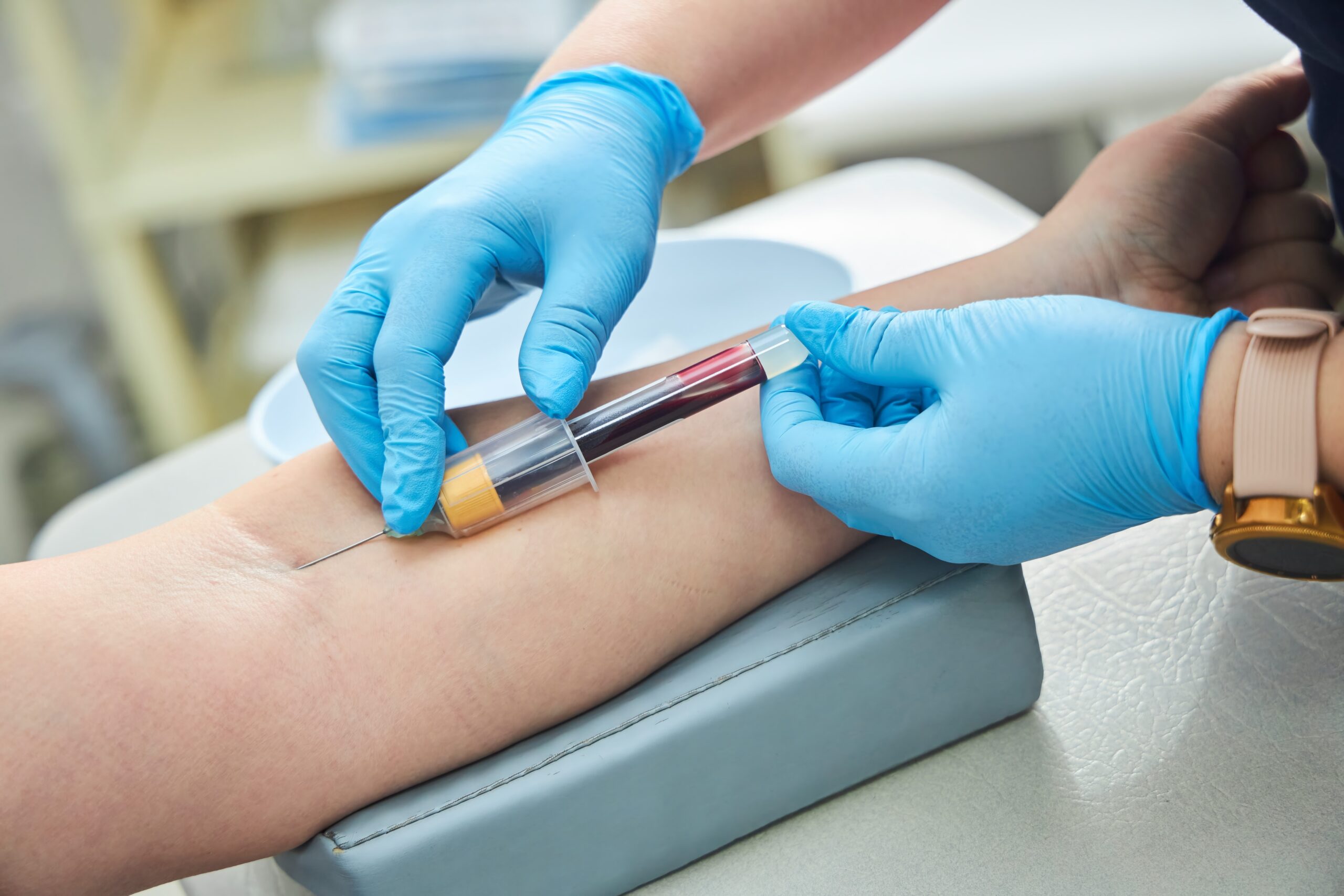
A simple blood test reveals if your brain is aging faster than your body, potentially years before memory fades.
Story Snapshot
- 2025 study uses machine learning on 53,000+ blood samples to predict brain age from plasma proteins.
- Accelerated brain age links to poor cognition, 64% higher Alzheimer’s risk, stroke, and early death.
- Midlife around age 44 marks a critical window for interventions via metabolic fixes.
- Brain-specific markers outperform general aging clocks, enabling scalable prevention.
- Shifts neurology from symptom treatment to proactive blood-based screening.
Plasma Proteins Unlock Brain Age Prediction
Researchers trained machine learning models, LASSO and XGBoost, on proteomic data from over 53,000 UK Biobank participants. These models predict brain age from blood proteins tied to RNA splicing, neurodevelopment, immune response, and synaptic function. The gap between chronological and predicted brain age measures acceleration. Validation occurred in the Framingham Heart Study, confirming reliability across cohorts. This approach surpasses imaging by using routine blood draws.
Accelerated Brain Age Signals Real Risks
Individuals with faster brain aging show weaker performance in attention and visual memory tests. Hazard ratio for Alzheimer’s disease reaches 1.64, with a 95% confidence interval of 1.37 to 1.97. Stroke incidence and all-cause mortality rise significantly. Brain-specific proteomic clocks predict these outcomes better than systemic ones. Common sense aligns: early metabolic signals in blood offer practical alerts over expensive scans.
Plasma protein in cognitive decline and Alzheimer's disease are associated with Neuropsychiatric symptoms and improve prediction of future decline, therefore offering a potential biomarker.https://t.co/N93YSO4epz pic.twitter.com/7B37d79WC6
— Journal of Neurology, Neurosurgery and Psychiatry (@JNNP_BMJ) January 22, 2026
Midlife Metabolic Shift Drives Decline
Stony Brook University mapped brain network decline as an S-curve: onset at age 44, peak at 67, plateau near 90. Neuronal insulin resistance and hypometabolism lead, implicating GLUT4 glucose transport and APOE genes. These precede vascular and inflammatory damage. Wang et al. integrated this into plasma models, highlighting midlife as prime intervention time. Conservative values favor personal responsibility through timely lifestyle changes over late-stage reliance on unproven drugs.
Cohorts like ARIC and Beaver Dam link midlife plasma markers to cognition and brain structure. UK Biobank data evolved from general mortality predictions to organ-specific clocks. Stony Brook’s findings challenge linear aging assumptions, urging focus on metabolic health.
Meet My Healthy Doc – instant answers, anytime, anywhere.
Stakeholders Advance Preventive Tools
Wang et al. led model development; Stony Brook’s Mujica-Parodi, Antal, and Smith detailed S-curve dynamics. UK Biobank and FHS supplied massive datasets for training and validation. ARIC, ACHIEVE, and Beaver Dam studies reinforce midlife biomarkers. UW-Madison’s Andy Zhou explores cerebral blood flow via 4D-flow MRI. Global Brain Health Institute applies machine learning for diverse populations. NIH funders prioritize scalability.
Ongoing Developments Promise Scale
By 2026, GBHI launches fellowships blending machine learning and MRI for Alzheimer’s detection. Salk Institute declares Year of Brain Health, mapping cellular aging. Tau Global Conference in May 2026 focuses on tau biomarkers. UW-Madison continues blood flow research as dementia signals. Mujica-Parodi stresses midlife intervention points; Antal calls for neurometabolic markers before symptoms.
Implications Reshape Brain Health
Short-term, blood tests enable risk stratification and clinical trials. Long-term, therapies target GLUT4 insulin sensitizers and APOE pathways. Economic savings counter trillions in projected Alzheimer’s costs versus MRI expenses. Social benefits include prolonged independence for aging populations. Policy could mandate midlife screenings, aligning with conservative emphasis on prevention and self-reliance. Biotech develops assays; pharma pursues brain-specific drugs.
Sources:
Plasma-based brain age as a potential biomarker for cognitive decline and age-related diseases.
Midlife biomarkers in ARIC/ACHIEVE link plasma neurodegeneration markers to cognition and cortical thickness.
Stony Brook study maps nonlinear brain network decline (S-curve).
UW-Madison (Andy Zhou) 4D-flow MRI for age/sex effects on cerebral blood flow.
Global Brain Health Institute (GBHI) ML models for ADRD detection.
General epigenetic clocks (e.g., Horvath’s).