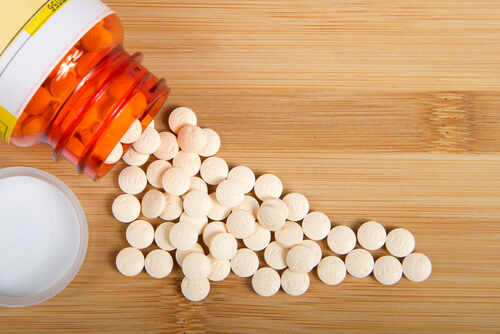
The pill in your nightstand that quiets your aches can also nudge your heart toward trouble after 60—and the risk jumps higher when it rides alongside other meds with cardiac side effects.
Story Snapshot
- Nonsteroidal anti-inflammatory drugs, including common pain relievers, are linked to higher heart attack and stroke risk in older adults [5].
- Risk multiplies when several medications with cardiovascular side effects are taken together, a pattern common in seniors [6].
- Viral videos warn about multiple “danger pills,” but evidence supports a more precise message: know the class risks, doses, and drug combinations [1].
- Practical steps can lower risk without abandoning pain control or essential heart medications [4].
The real accelerant: stacking drugs that stress the heart
A community-based cohort of older adults showed what clinical experience has hinted at for decades: concurrent use of medications with known cardiovascular adverse effects roughly doubled major cardiac event risk, and using three or more pushed it higher still [6]. This is the quiet danger behind sensational one-pill headlines. A decongestant for a cold, an anti-inflammatory for knees, and a sleep aid can combine with a blood pressure medicine to tilt the body toward fluid retention, higher pressure, and a clot-friendly state—none dramatic alone, but together material [6].
Health policy analysts summarize the same pattern: when people take several drugs that each have cardiovascular side effects, the combined effect can double or even triple the risk of heart attack, stroke, or death compared to those not taking such combinations [4]. Fewer interacting drugs, clearer indications, lowest effective doses, and frequent reassessment beat reflexive polypharmacy. The goal is not zero medication; it is right medication, right way, right time.
How to reduce pain without inflating cardiac risk
Targeted alternatives sit on the shelf. Acetaminophen lacks the anti-inflammatory punch but does not share the same cardiovascular profile and can substitute for many routine aches when used within liver-safe limits. Topical nonsteroidal anti-inflammatory gels deliver relief with lower systemic exposure. For stubborn arthritis, structured exercise and weight loss shift load off joints and reduce the daily pill need. When nonsteroidal anti-inflammatory pills are necessary, the smallest effective dose for the shortest time, taken with blood pressure monitoring, reduces risk [5].
Cold and sinus remedies deserve special scrutiny. Combination products may quietly add a nonsteroidal anti-inflammatory drug on top of a daily pain reliever, while decongestants can raise blood pressure. Reading labels and avoiding duplicates protect the heart more reliably than any internet scare. A periodic “brown bag” review with a clinician or pharmacist—bringing every prescription, supplement, and over-the-counter product—catches overlaps that drive the compound risk seen in the cohort study [6].
When strong medicines are essential, anchor them wisely
Many heart drugs remain foundational and lifesaving when used for the right indication, yet even beneficial therapies can complicate other choices. Educational materials from the American Heart Association list core agents such as statins, aspirin, and various blood thinners that prevent clots and recurrent events, underscoring that prevention and post-event care rely on proven medications with clear net benefit when prescribed appropriately [7]. The presence of these necessary drugs heightens the importance of caution with add-on pain relievers and cold remedies.
Viral warnings earn clicks by naming villains. The data tell a more useful story. Yes, common nonsteroidal anti-inflammatory drugs can raise the odds of heart attack and stroke after 60, especially at higher doses and longer durations [5]. The bigger lever is the combination of several heart-stressing medications, which can double the danger [6][4]. Sensible prevention beats fear: prune duplicative drugs, favor safer substitutes, minimize dose and duration, and keep your clinician in the loop before adding “just one more” pill.
Sources:
[1] YouTube – Cardiologist Warns: This COMMON MEDICATION Could Trigger a Heart …
[4] YouTube – 5 Popular Medications Dangerous for the Heart After 60
[5] Web – Risk for Heart Attack, Stroke or Death Can Double or Triple in Older …
[6] Web – 5 Medications That Can Cause Heart Failure – WebMD
[7] Web – Use of prescription medications with cardiovascular adverse effects …