A sugar molecule hiding in your steak may be quietly raising your risk of type 2 diabetes by 63 percent.
Quick Take
- Researchers tracked nearly 90,000 French adults and found high intake of meat-derived Neu5Gc, a sugar found mainly in beef and lamb, linked to a 63% higher type 2 diabetes risk.
- The findings came from the long-running NutriNet-Santé study, with a median follow-up of about 7.2 years.
- Scientists adjusted for age, smoking, activity levels, diet quality, and existing health conditions, and the link still held.
- The results were presented at a major European diabetes conference but have not yet gone through full peer review.
What The New Study Actually Found
Researchers studied 89,953 adults enrolled in the NutriNet-Santé cohort, a large French health study. They tracked each person’s estimated diet over a median of 7.2 years, watching for new cases of type 2 diabetes. People with the highest estimated intake of meat-derived Neu5Gc had a 63% greater risk of developing the disease compared with those who ate the least.
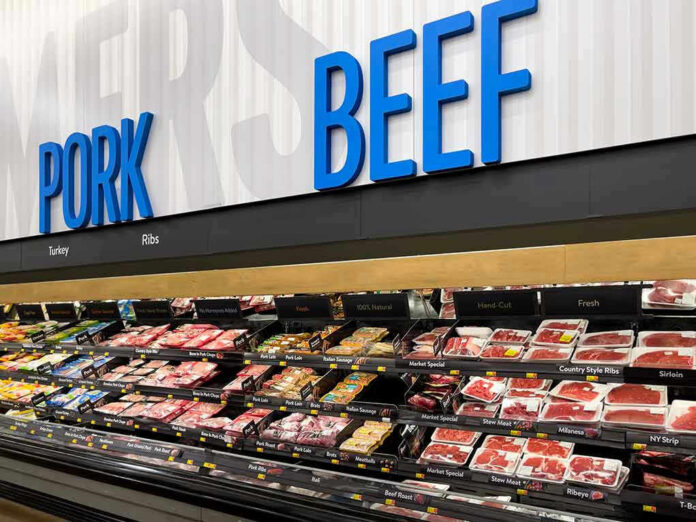
Neu5Gc is not some exotic lab chemical. It is a naturally occurring sugar molecule found mainly in red meat, especially beef and lamb, with smaller amounts showing up in dairy products. Human cells cannot produce Neu5Gc on their own, so scientists believe the body may react to it as a foreign substance once absorbed from food, though that mechanism is still being studied rather than proven.
Why Researchers Zeroed In On This Specific Sugar
The team found that total Neu5Gc intake, from all food sources combined, was tied to a 37% higher diabetes risk. But when they isolated the meat-sourced version specifically, the risk jumped to 63%. That gap matters. It tells researchers the red-meat connection is not a side effect of general diet patterns. It points toward something specific happening with this one compound.
Dr. Leopold Fezeu of Sorbonne Paris Nord University led the research, which was presented at the European Association for the Study of Diabetes meeting in Milan, held from September 28 through October 2, 2026. The study population skewed female, at roughly 79%, with an average age near 42, which is worth keeping in mind when thinking about how broadly these results might apply.
How This Fits Into Decades Of Red Meat Research
This is not the first time red meat has been connected to diabetes risk. A 2009 meta-analysis of cohort studies found a 21% higher risk tied to high red meat consumption and a 41% higher risk linked to processed meat. A much larger analysis spanning nearly 2 million adults across 31 cohorts in 18 countries found that greater red and processed meat intake tracked with more diabetes cases worldwide.
Not every study agrees on cause and effect. A 2022 review of randomized controlled trials found no significant effect of red meat on insulin sensitivity or blood sugar markers when people were randomly assigned to eat more or less of it. That disconnect between observational data and controlled trials is one of the oldest puzzles in nutrition science, and it shows why this Neu5Gc finding deserves attention without being treated as a final verdict.
What The Study Cannot Yet Prove
The researchers themselves describe this as an association, not proof of cause. The study is observational, meaning it tracked people’s existing habits rather than testing diet changes directly. The findings also have not yet cleared peer review, the process where other scientists independently check the math and methods before a study becomes an accepted part of the scientific record.
The reported 63% figure is also a relative comparison between the highest and lowest intake groups. Without the full published paper, readers do not yet have the baseline number of actual diabetes cases or the statistical confidence range behind that percentage. Those details matter for understanding how big a real-world difference this sugar actually makes.
What Comes Next For This Research
The logical next step is publication in a peer-reviewed journal, complete with the full statistical model and absolute risk numbers. Researchers will also likely want to test whether Neu5Gc shows up in blood or urine samples that match reported diet intake, rather than relying on food questionnaires alone. Replicating these results in cohorts outside France, with different ages and diets, would tell us whether this pattern holds up globally or stays limited to one population.
For now, the honest takeaway is straightforward. A specific sugar concentrated in beef and lamb has been linked to meaningfully higher diabetes risk in a large, well-tracked group of adults. That is a real signal worth watching closely, even while the science keeps working to nail down exactly why it happens.
A study of nearly 90,000 adults found that people consuming the most of a little-known sugar found in red meat had a 63% higher risk of developing type 2 diabetes. Scientists suspect the sugar may trigger chronic inflammation, potentially revealing a hiddehttps://t.co/daacmpit33
— Michael W. Deem (@Michael_W_Deem) October 18, 2026
Readers who eat red meat regularly do not need to panic over one conference presentation. But this is the kind of early finding that tends to shape dietary guidance down the road, and it is worth keeping an eye on as the full peer-reviewed data becomes available.
Sources:
sciencedaily.com, crbcnews.com, newsweek.com, medicalnewstoday.com, srpske.rs, dailybeirut.com