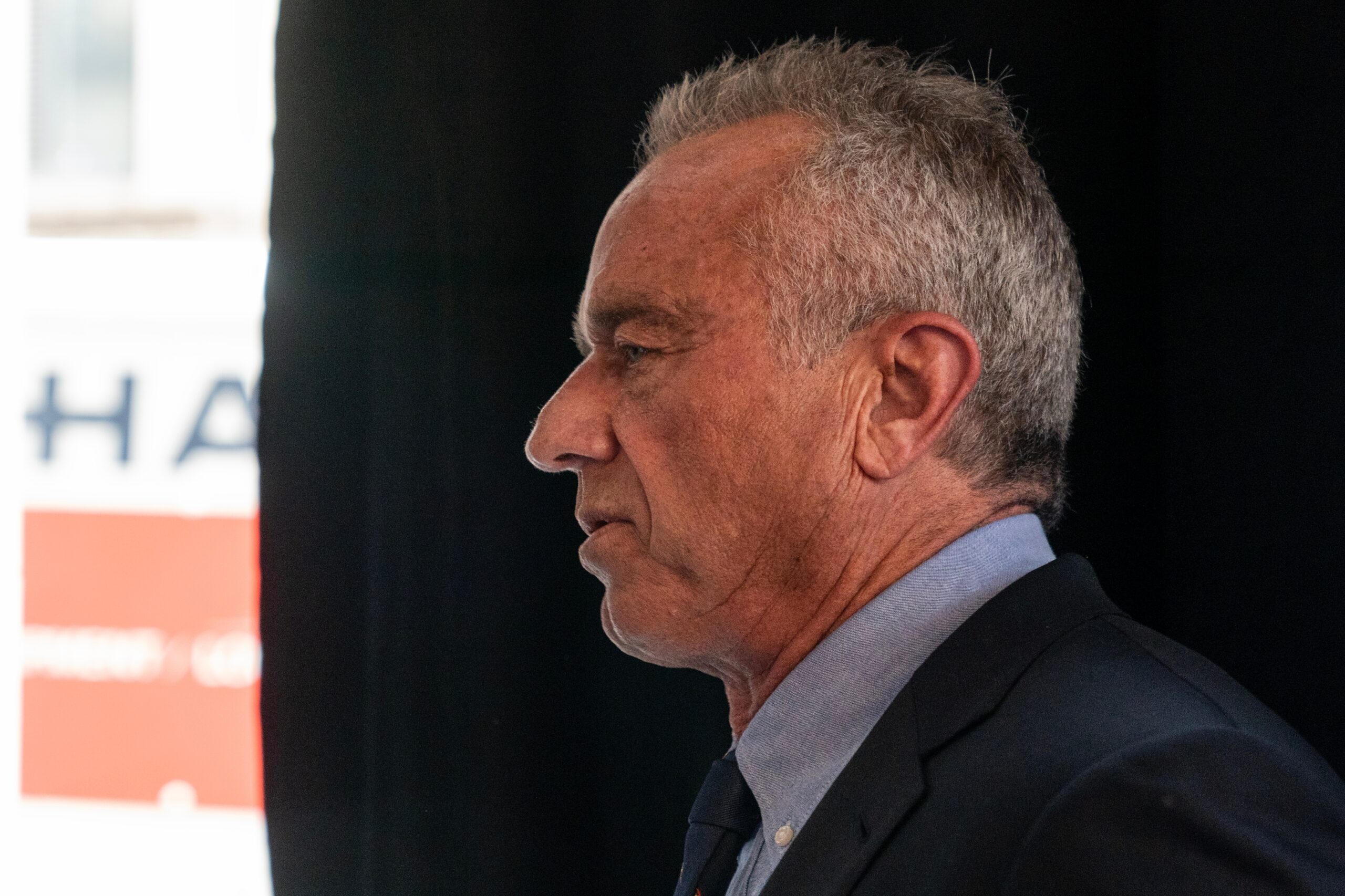
Robert F. Kennedy Jr.’s push to delay the hepatitis B vaccine for newborns could expose an entire generation of children to a lifelong, incurable liver infection.
Story Overview
- CDC panel is reconsidering the standard practice of giving hepatitis B vaccine at birth
- RFK Jr. advocates for delaying this critical vaccination despite decades of safety data
- Hepatitis B can cause lifelong liver damage and is most dangerous when contracted in infancy
- The vaccine prevents transmission through indirect blood contact that parents often don’t anticipate
The Hidden Danger Parents Don’t See Coming
Hepatitis B doesn’t announce itself with dramatic symptoms or obvious transmission routes. This silent killer spreads through microscopic amounts of infected blood that can survive on surfaces for up to seven days. A shared toothbrush, a small cut from playground equipment previously touched by an infected person, or even a bite from another child can transmit the virus. What makes this particularly insidious is that many infected adults don’t know they carry the virus.
When infants contract hepatitis B, 90 percent develop chronic infection compared to only 5 percent of adults. These babies face a lifetime of potential liver cirrhosis, liver failure, and liver cancer. The younger the child at infection, the more devastating the long-term consequences become.
"RFK Jr. Wants To Delay the Hepatitis B Vaccine. Here’s What Parents Need To Know." – KFF Health News #SmartNews https://t.co/Qox6rr10XS
— Eve W (@EveWhite1968) December 2, 2025
Why the Birth Dose Matters More Than You Think
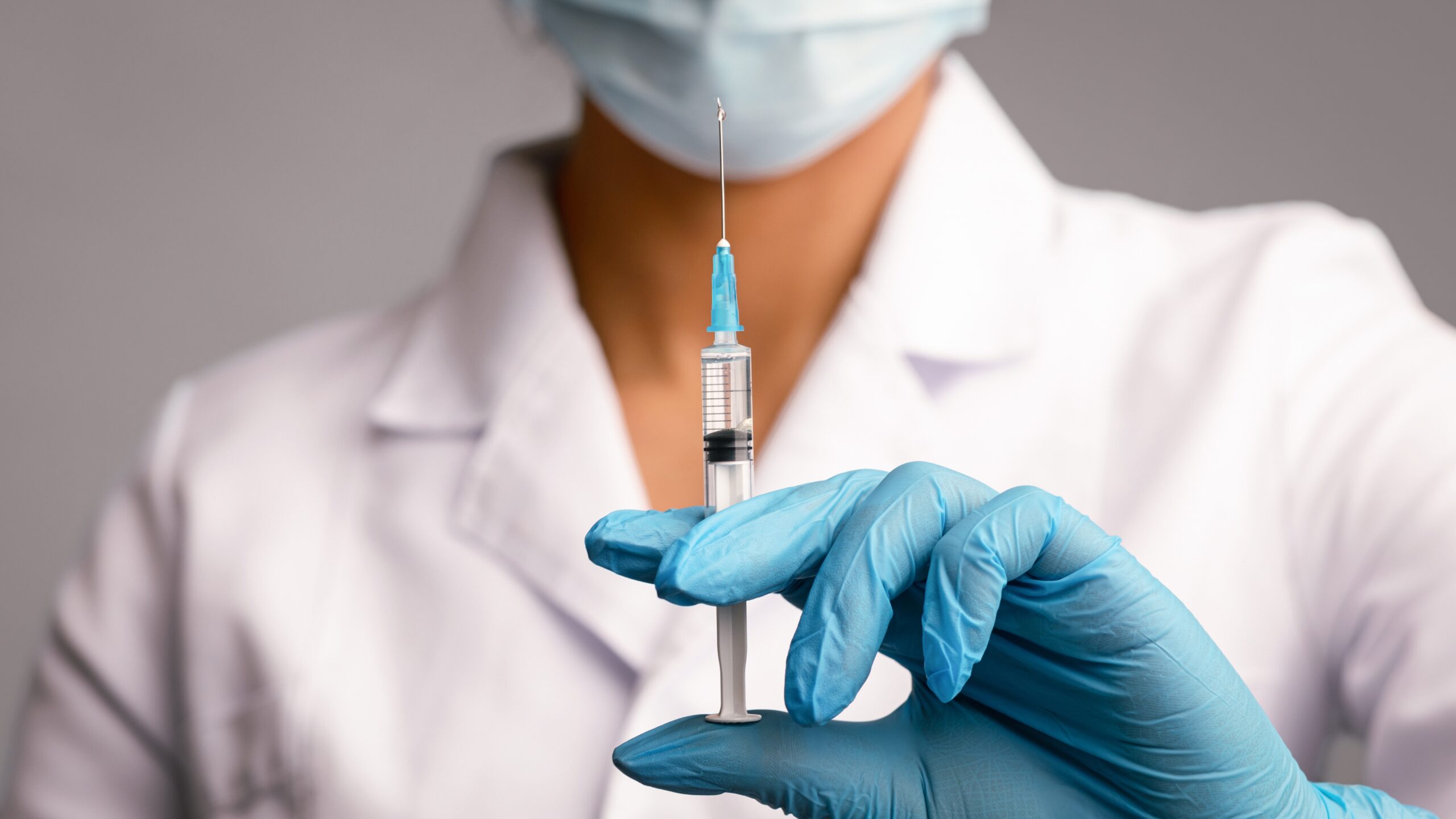
The timing of the hepatitis B vaccine isn’t arbitrary medical scheduling. Newborns receive this protection within 24 hours of birth because their immune systems respond more effectively to the vaccine than they do to fighting the actual virus. This early vaccination creates a protective barrier before babies encounter the unpredictable exposures of daily life.
Medical professionals learned this lesson through decades of tracking unvaccinated children. Before universal newborn vaccination began in 1991, approximately 18,000 children under age 10 contracted hepatitis B annually in the United States. These weren’t children from high-risk households – they were ordinary kids whose parents never suspected exposure risks existed in their communities.
Watch:
The Real-World Consequences of Delayed Protection
Countries that delayed or skipped newborn hepatitis B vaccination provide sobering case studies. In regions where vaccination occurs at 2-6 months instead of birth, breakthrough infections still occur during that vulnerable window. Even a few months of exposure risk can result in lifelong consequences for children whose parents believed they were making the safer choice by waiting.
The vaccine’s safety profile spans over three decades and billions of doses worldwide. Serious adverse reactions occur in fewer than one in a million doses – making it statistically safer than many routine childhood activities parents don’t question. Meanwhile, chronic hepatitis B infection guarantees decades of medical monitoring, potential treatments, and progressive liver damage. Get personalized answers from your AI doctor.
What Parents Should Actually Worry About
The current reconsideration by health officials raises questions about whether political pressure trumps medical evidence. RFK Jr.’s influence on vaccine policy represents a fundamental shift from decisions based on clinical data to those influenced by ideological positions.
Smart parents should ask their pediatricians about local hepatitis B prevalence rates and transmission stories from their own practices. The hepatitis B vaccine prevents a problem that, once acquired, becomes a lifelong medical burden no parent would willingly choose for their child. One click to clarity – start your consultation now.
Sources:
https://www.statnews.com/2025/12/02/cdc-acip-meeting-hepatitis-b-shots-vaccine-integrity-project/