Scientists scanned nearly 9,000 healthy adult brains and found something troubling hiding in the people who eat the most chips, cereal, and frozen dinners.
Quick Take
- A Canadian study of 8,783 adults found MRI evidence of vascular brain injury tied to high ultra-processed food intake.
- People in the highest intake group had about 40% higher odds of this brain injury than those eating the least.
- The injury pattern resembles signs linked to silent stroke, though the study did not find a matching drop in cognitive test scores.
- Researchers call the link an association, not proof that junk food directly causes brain damage.
What The Brain Scans Actually Showed
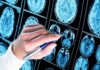
Researchers published the findings in JAMA Network Open after studying 8,783 Canadian adults ages 35 to 69, none of whom had a history of heart or vascular disease. Every participant underwent a brain MRI. Doctors then reviewed each scan for vascular brain injury, the kind of damage tied to blocked or weakened blood flow in the brain over time.
The results were not subtle. Adults who ate the most ultra-processed food had roughly 40% higher odds of showing this vascular brain injury on their scans compared to adults who ate the least. Researchers describe the pattern as compatible with silent stroke, meaning damage that happens quietly, with no dramatic symptoms announcing it.
Body Fat May Be Part Of The Story
The study also found something else worth noting. People eating more ultra-processed food tended to carry more body fat overall, including more visceral fat, the kind that wraps around internal organs. Researchers flagged this as a possible pathway connecting diet to brain blood vessel damage, rather than a side detail.
That matters because visceral fat is already tied to inflammation, high blood pressure, and insulin problems, all known risks for stroke and vascular disease. The brain injury finding did not appear in isolation. It showed up alongside a measurable shift in body composition, giving researchers a plausible biological chain from fork to fat to blood vessels to brain.
Why This Is Not A Dementia Diagnosis Yet
Here is the part that keeps this story honest. Researchers specifically checked whether higher ultra-processed food intake was tied to worse cognitive test performance. It was not. The MRI findings describe quiet structural changes in the brain, not proven memory loss or diagnosed decline, at least not yet, in this group of otherwise healthy adults.
The study also looked at one point in time rather than tracking people for years. Researchers stated plainly that longer, repeated studies are needed to show whether diet came before the brain changes, or whether something else explains both. That is standard scientific caution, not a reason to dismiss the finding.
The Bigger Pattern Behind One Study
This research joins a long list of studies tying ultra-processed food to poor health outcomes. One large review of existing research found higher ultra-processed food intake linked to greater risk in 71% of health outcomes examined across dozens of studies, covering everything from obesity to heart disease. The brain injury finding fits an existing trend, it does not stand alone.
What Families Can Take From This Right Now
Nobody needs a lab coat to understand the common-sense takeaway here. A diet built on chips, sugary cereal, and frozen ready meals keeps showing up next to worse health outcomes, study after study. This latest research adds brain blood vessels to that growing list, using hard MRI evidence instead of a survey or a guess.
New study raises alarm over ultra processed foods linking high consumption in middle age to a 40 percent higher likelihood of MRI signs associated with silent brain injury and vascular damage#NYI pic.twitter.com/EpmXHeLGTG
— NewYork-Insight (@NewYork_Insight) October 19, 2026
Cutting back on ultra-processed food is not always simple, especially with grocery prices squeezing family budgets. Whole foods often cost more and take more time to prepare. Still, this study gives parents and grandparents a concrete, science-backed reason to choose the real chicken over the frozen nuggets a little more often, one meal at a time.
Sources:
youtube.com, media.jamanetwork.com, cbc.ca, cp24.com, medicinenet.com, medicalnewstoday.com