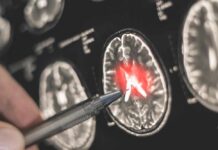
A quiet, fixable vitamin shortage in midlife may be the difference between a sharp mind at 80 and a fog you cannot escape.
Story Snapshot
- Low vitamin D is consistently tied to higher dementia and Alzheimer’s risk in long-term studies
- People with serious deficiency show roughly 50–125% higher odds of dementia compared with normal levels
- Meta-analyses suggest dementia risk drops as vitamin D levels rise, but proof of causation is still debated
- Fix the deficiency, but do not chase miracle-pill promises.
What researchers keep finding about vitamin D and dementia risk
Researchers have followed thousands of adults for years and keep seeing the same signal: low vitamin D shows up again and again next to future dementia. One major study looked at older adults and found that those who were deficient in vitamin D had about a 53% higher risk of developing dementia, and those who were severely deficient had more than double the risk. Another large analysis reported dementia risk was about 1.5 times higher in people with serious deficiency compared with those with healthy levels. These are not tiny differences. They are big enough that you would care about them if they showed up on your retirement account statement.
Harvard Medical School highlighted an 11-year observational study where people with low vitamin D had a 54% greater chance of developing dementia than people with normal levels. Neurology-focused groups reported very similar numbers, including nearly 70% higher odds of Alzheimer’s disease in those with lower vitamin D. Across many cohorts, deficiency often means roughly 50–125% higher risk of dementia or Alzheimer’s disease compared with sufficient levels. That is why so many brain health articles keep circling back to this vitamin.
The dose-response pattern: more D, less dementia risk
A big meta-analysis pulled together data from 22 observational studies and asked a simple question: as vitamin D levels go up, does dementia risk go down? The answer was yes, at least in these studies. The researchers found a linear pattern where dementia risk dropped about 1.2% for every 10 units (nmol/L) increase in blood vitamin D. Another study suggested that an approximate range of 77.5–100 nmol/L might be “optimal” for lowering dementia risk, with Alzheimer’s risk noticeably lower once vitamin D passed roughly 40 nmol/L. The exact best number is not settled, but the direction is clear: very low is bad; mid-range or better looks safer.
Some research even looked at vitamin D found directly in brain tissue. Higher brain levels of vitamin D were linked to 25–33% lower odds of dementia or mild cognitive impairment in people studied after death. That is not blood work. That is the vitamin sitting inside the organ we are trying to protect. The pattern matches what the blood studies show and adds weight to the idea that vitamin D is involved in brain aging, not just in bones and muscles.
Causation, skepticism, and what Mendelian randomization adds
Here is where the story gets more complicated, and where cautious, conservative thinking matters. Most of the strong numbers you see are from observational studies. They watch people over time but do not randomly assign them to high or low vitamin D. That means other factors can confuse the picture. People with dementia often move less, go outside less, and eat worse. That can lower vitamin D, which raises the risk that low vitamin D may be a result of decline, not the cause of it. Serious reviewers warn that reverse causation is a real concern.
To tackle the causation question, one major study used Mendelian randomization, a genetic method that acts like a natural experiment. It found that vitamin D deficiency appears to have a causal effect on dementia risk, but not on stroke risk. That supports the idea that vitamin D is more than a simple bystander in dementia. However, another Mendelian randomization analysis did not see a clear effect of vitamin D on detailed cognitive test scores, even while observational links remained. Together, these studies say: yes, vitamin D probably matters for dementia, but the story is not simple, and not every brain outcome improves just by pushing numbers higher.
How you should view vitamin D and your brain
The lesson is straightforward. Personal responsibility and prudence suggest you should avoid obvious deficiency, especially when so many studies tie low vitamin D to higher dementia risk and even Alzheimer-type brain changes. This does not mean chasing high-dose supplements based on hype. Some data even hint that certain supplement patterns might be linked to worse outcomes in people who already have dementia, which should make anyone cautious about megadoses. The smart move is modest correction of deficiency, not blind faith in pills.
Regulators like the National Institutes of Health and the Food and Drug Administration have not endorsed vitamin D pills as a formal dementia prevention therapy, and top journals still use careful phrases like “may increase odds” or “associated with” instead of “proves it causes” dementia. That caution is good. It protects the public from miracle claims and supplement industry pressure. At the same time, it does not erase the consistent pattern: people who let their vitamin D slide into the basement are playing brain roulette for no good reason. The most grounded takeaway is simple: know your level, fix true deficiency with sensible doses and sunlight, and treat vitamin D as one important piece of a broader brain-health plan that also includes movement, real food, sleep, and mental challenge.
Sources:
health.harvard.edu, pmc.ncbi.nlm.nih.gov, karger.com, www1.racgp.org.au, mdvip.com, journals.sagepub.com, aan.com, pubmed.ncbi.nlm.nih.gov, alzinfo.org, bcruralhealth.org, alzdiscovery.org