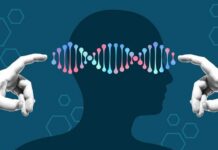
Your mood might depend less on sunlight and more on something far simpler: the people around you.
Story Snapshot
- Social connection acts as a therapeutic “vitamin” for depression, distinct from nutritional supplements like vitamin D or B-complex
- Vitamin D deficiency increases depression risk by 75% in older adults, especially those in northern latitudes with limited sunlight exposure
- B-vitamins, vitamin C, and zinc support neurotransmitter production critical for mood regulation, with growing evidence for supplementation alongside therapy
- Healthcare providers increasingly recommend blood tests to personalize vitamin regimens, treating supplements as adjuncts rather than cures
The Missing Vitamin No One Talks About
The concept of a “social vitamin” doesn’t appear in medical journals, yet it captures something real about how human connection affects mental health. While researchers focus on vitamin D’s role in serotonin production or B-complex vitamins supporting dopamine synthesis, the metaphor highlights behavioral interventions that complement biochemical solutions. Licensed Clinical Social Worker DD Karmen Smith advocates combining vitamin D with therapy and medication to reduce inflammation and protect neurocognitive function. The parallels are striking: just as vitamin deficiencies impair neurotransmitter production, social isolation amplifies depression, particularly in post-pandemic populations. This dual approach acknowledges that pills alone cannot fix problems rooted in both chemistry and circumstance.
The Science Behind Supplements and Mood
Vitamin deficiencies sabotage mood by disrupting neurotransmitter production and triggering inflammation. Vitamin D supports serotonin synthesis, explaining why northern residents with limited sunlight show higher depression rates. The Mayo Clinic emphasizes B6, B9, and B12 for mood regulation, noting their critical role in energy and cognitive function. Brightside Health identifies vitamin C, D, B-complex, zinc, and iron as top supplements for anxiety and depression, with deficiencies worsening fatigue and mood swings. Research on TTFD, a B1 derivative, demonstrates how it promotes physical activity through prefrontal cortex activation, countering the inactivity that fuels depression. These findings establish vitamins as essential support tools, not standalone solutions.
Absorption challenges complicate supplementation, particularly for aging populations. Older adults struggle to absorb B-vitamins due to reduced stomach acid production, requiring higher doses or specialized formulations. Vitamin D3 proves superior to D2 for maintaining blood levels, often paired with K2 for optimal absorption. Studies on addiction recovery reveal vitamin C’s dramatic impact: high doses ease 50% of heroin withdrawal symptoms compared to 6.6% in control groups. These insights push healthcare providers toward personalized approaches, urging blood tests before recommending dosages between 400 and 4,000 IU daily for vitamin D, depending on individual needs and deficiency severity.
Who Benefits Most From Supplementation
Three groups see the greatest impact from targeted vitamin regimens. Elderly individuals, especially those in northern climates, face compounded risks from limited sunlight exposure and age-related absorption issues, making them prime candidates for vitamin D and B-complex supplementation. People in addiction recovery benefit from vitamins that stabilize neurotransmitters disrupted by substance abuse, with vitamin C and D showing promise for preventing relapse. Communities experiencing social isolation, a phenomenon intensified by pandemic lockdowns, mirror biochemical deficiencies through behavioral withdrawal. Online therapy platforms like Talkspace and Brightside Health now integrate supplement guidance with digital counseling, recognizing that addressing both biological and social factors produces better outcomes than either approach alone.
The Real Cost of Ignoring Simple Solutions
Low-cost vitamins offer an economic advantage over prescription medications, with daily vitamin D supplementation costing pennies compared to antidepressants. The mental health sector increasingly embraces this hybrid model, using telehealth to deliver integrated care that combines supplements, therapy, and medication when necessary. Short-term benefits include symptom relief through reduced inflammation and improved serotonin production, while long-term advantages involve neuroprotection and relapse prevention. The economic implications extend beyond individual savings: widespread vitamin supplementation could reduce healthcare costs by decreasing reliance on expensive psychiatric medications and emergency interventions for mental health crises.
In A Funk? This Social "Vitamin" Might Be The Best Medicine https://t.co/zvamPXWHev @BooksSave94462 @LowerHaightbk #selfcarematters pic.twitter.com/gQTu7G2qqJ
— WNBA-SF (@WNBASFChapter) April 28, 2026
Despite strong evidence for vitamin D and B-complex efficacy, researchers call for more comprehensive trials to establish definitive dosing protocols. Current recommendations treat supplements as adjuncts requiring medical supervision, not over-the-counter fixes for complex mood disorders. This conservative approach respects both the promise and limitations of nutritional interventions. The “social vitamin” metaphor reminds us that human connection remains irreplaceable, a truth that resonates with common sense and conservative values emphasizing community bonds over pharmaceutical dependence. As the healthcare system evolves toward holistic models, the integration of affordable supplements with proven behavioral interventions offers hope for millions stuck in the fog of depression, waiting for sunlight that might come from both nature and neighbors.
Sources:
Vitamins for Depression – Talkspace
8 Supplements to Fight Depression in Older Adults – MedBox
Top 5 Vitamins Supporting Addiction Recovery – Ikon Recovery Centers
Vitamins and Supplements for Mental Health – Mayo Clinic
The Four Supplements to Consider for Help with Depression – Brightside
TTFD and Dopaminergic Activity Research – PMC