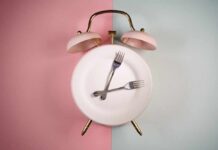
A single glass of water, timed right, keeps beating “miracle” weight-loss hacks where it counts: on the scale and in real-world adherence.
Quick Take
- The “simple habit” behind many headlines usually means drinking about 500 ml of water roughly 30 minutes before meals.
- Randomized trials and newer replications suggest modest extra loss over about 12 weeks, not the dramatic numbers social media implies.
- The mechanism is boring but powerful: stomach volume and satiety cues can lower calorie intake without willpower theatrics.
- The habit competes culturally with pricey GLP-1 drugs because it’s free, accessible, and hard to monetize.
The headline keeps changing, but the habit stays the same
“Scientists say this simple habit may help you lose more weight” reads like a breaking event, but it’s really a recurring media loop. The same core idea resurfaces whenever diet fatigue spikes or a new weight-loss product dominates the conversation. The habit most commonly attached to that headline is pre-meal water: about 500 milliliters taken around 30 minutes before breakfast, lunch, and dinner, repeated consistently for weeks.
The appeal is obvious for anyone over 40 who’s tried to “just eat less” and discovered hunger has opinions. Water looks too simple to matter, which is exactly why it attracts attention: it promises relief without a new grocery budget, a new app subscription, or a new identity. The more important question isn’t whether it works at all, but how it works, how much, and for whom.
What the research actually supports, and what it doesn’t
The strongest versions of this claim come from randomized controlled trials that tested water timing against control routines in adults with overweight or obesity. The frequently cited results show an added, modest weight-loss edge over roughly 12 weeks—measured in kilograms, not clothing sizes. That edge matters because it arrives through compliance, not heroics: people can keep drinking water before meals even when motivation collapses.
Overhype ruins the story. The data do not justify “lose 20 pounds doing basically nothing” messaging, and common sense should reject it. Pre-meal water doesn’t repeal physics; it can’t compensate for habitual liquid calories, nightly desserts, or sedentary days. Where it does shine is in shaving off the sneaky calories that come from starting meals too hungry, eating too fast, or confusing thirst signals with appetite.
The mechanism: satiety is a lever, not a moral virtue
Pre-meal water works, when it works, for a reason older adults understand intuitively: a stomach that feels less empty changes choices. Water increases gastric volume and can nudge fullness signals earlier in the meal. That can reduce portion size without the psychological backlash of strict restriction. The effect looks small in headlines because it is small per meal—until you repeat it three times a day for months.
Timing matters because the point isn’t “drink more water” in the abstract. Chugging water during a meal may not change intake much for some people, and water hours earlier won’t influence that first wave of hunger. The 30-minute window shows up repeatedly in reporting because it fits the biology: water has time to occupy space and alter how quickly you hit satiety once food arrives.
Why this keeps going viral in the Ozempic era
America’s weight-loss conversation now has a sharp contrast: expensive, powerful GLP-1 drugs on one side; low-cost behavioral habits on the other. That contrast fuels clicks because it’s also a values argument. A free habit feels like independence—no pharmacy delays, no insurance fights, no recurring bill. It also threatens industries built on complexity. Simplicity, when backed by trials, is disruptive.
Social platforms accelerate that disruption, then distort it. A creator can compress a modest average effect into a dramatic personal testimonial, and the algorithm rewards certainty over nuance. The result is a familiar cycle: people try it with unrealistic expectations, quit when they don’t see instant transformation, and then declare the entire idea “debunked.” The real story sits between those emotional extremes.
How to use the habit like an adult, not like a desperate person
People who get the most out of pre-meal water treat it as a routine cue, not a magic trick. A practical target is a consistent amount—roughly 500 ml—before the meals that historically trigger overeating. They pair it with slow eating and protein-and-fiber-forward plates, because water doesn’t create nutrition; it creates space to make better choices. The habit works best when it reduces friction.
Safety and realism matter, especially for readers over 40. Anyone with kidney disease, heart failure, or fluid restrictions should not adopt aggressive hydration rules without medical guidance. For everyone else, the most common failure mode is annoyance: extra bathroom trips, forgetting the timing, or treating water as punishment. When that happens, scale back to one meal a day and build consistency first.
The best test: modest, measurable, and yours
Pre-meal water passes a simple test: it’s low risk, low cost, and doesn’t require outsourcing discipline to a product. The research supports a modest benefit, not a miracle. That modesty is exactly why it belongs in a serious strategy—small advantages that you can repeat beat grand promises you can’t sustain. Weight loss over 40 is rarely about discovering secrets; it’s about stacking dependable behaviors.
That’s also why headlines keep recycling the claim. People want a lever they can pull today, not a lecture, not a prescription, not a complicated plan that collapses during the next birthday party. Water before meals won’t solve obesity by itself, but it can help tilt daily decisions in the right direction—quietly, consistently, and without asking permission from anyone.
Sources:
In-depth reporting strategies for civic journalism
How to write the story of your research
How to approach in-depth reporting
Basic steps in the research process