The weight loss miracle millions are taking might be quietly stealing their health in ways nobody warned them about.
Story Snapshot
- 1.5 million UK users take GLP-1 drugs like Ozempic and Wegovy, with 95% obtaining them privately without adequate nutritional support
- New Cambridge and UCL research reveals up to 40% of weight lost can be muscle mass, creating risks of weakness, falls, and injuries
- Observational studies show 13% develop nutritional deficiencies within six months, climbing to 22% within a year
- Only 12 studies exist examining diet and nutrition alongside these medications, leaving doctors without clear guidance protocols
When the Prescription Stops at the Pharmacy Counter
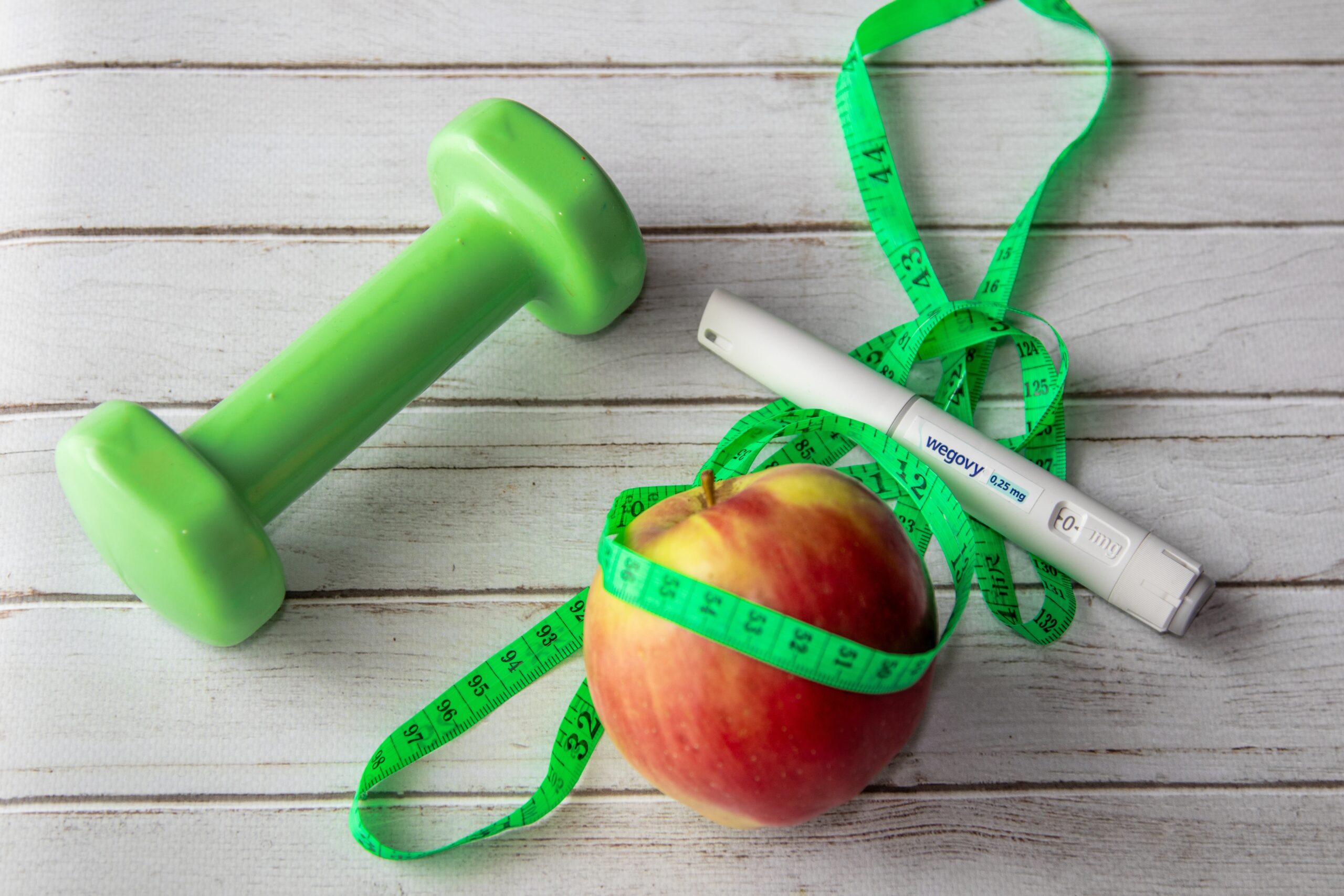
Researchers from University of Cambridge and UCL published findings in Obesity Reviews that expose a troubling reality: GLP-1 receptor agonist medications work by mimicking hormones that suppress appetite and increase fullness, slashing calorie intake by 16-39%. The drugs themselves perform exactly as designed. The problem emerges in what happens next, or more accurately, what doesn’t happen. The National Institute for Health and Care Excellence recommends these medications only for people with a BMI of at least 35.0 with comorbidities.
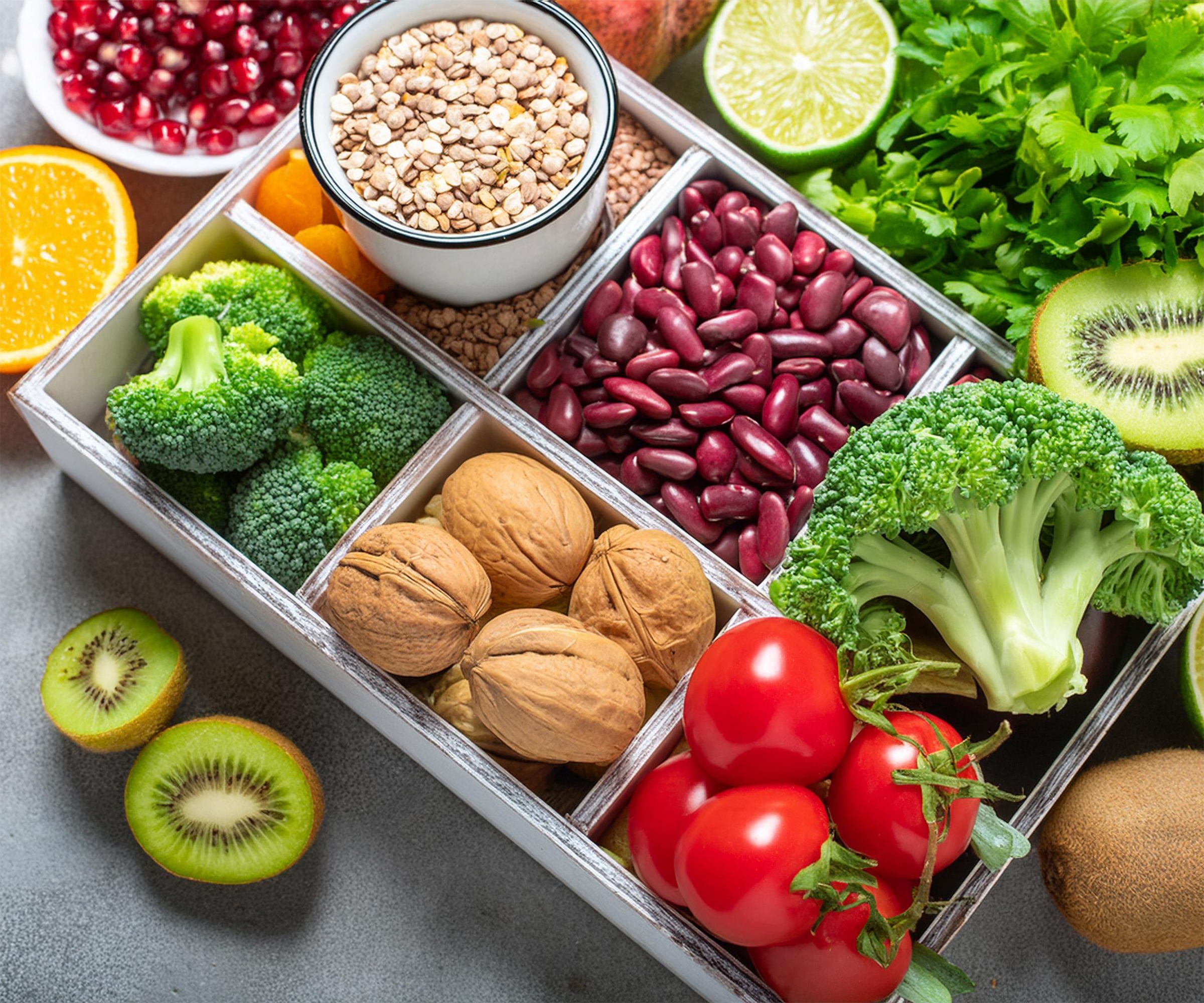
That integrated model describes what should happen. What actually happens tells a different story entirely. Dr. Marie Spreckley, who led the research at Cambridge’s MRC Epidemiology Unit, found that nutritional support infrastructure simply hasn’t scaled to match the explosive growth of these medications. The vast majority of users obtain prescriptions through private clinics operating without mandatory nutrition counseling requirements. They receive powerful appetite suppressants without corresponding guidance on maintaining adequate protein, fiber, vitamins, and minerals when eating dramatically less food.
Watch:
Meet My Healthy Doc – instant answers, anytime, anywhere.
The Invisible Cost of Rapid Weight Loss
The human body doesn’t distinguish between fat tissue and muscle when shedding pounds without proper nutritional support. Research shows lean body mass can comprise up to 40% of total weight lost during GLP-1 treatment. That percentage matters profoundly because muscle tissue serves functions far beyond aesthetics. Lost muscle mass increases fall risk, reduces basal metabolic rate, and creates weakness that compounds over time. Dr. Adrian Brown from UCL emphasized that reduced food intake without professional guidance creates real risk of inadequate protein, fiber, vitamins, and minerals essential for health.
The micronutrient deficiencies present equally concerning implications. Low vitamin and mineral intake manifests as fatigue, weakened immune function, hair loss, and increased osteoporosis risk. One large observational study documented nutritional deficiency diagnoses in 13% of users within six months, rising to 22% within one year. Rare but severe cases include vitamin B1 deficiency after prolonged nausea and minimal eating. The gastrointestinal side effects that commonly accompany these medications, including nausea, diarrhea, vomiting, and constipation, compound the challenge of maintaining adequate nutrition.
Got a health question? Ask our AI doctor instantly, it’s free.
The Evidence Gap Nobody Wants to Acknowledge
The Cambridge and UCL researchers identified only 12 studies examining diet and nutrition alongside semaglutide or tirzepatide treatment. Those dozen studies varied widely in methodology, delivered dietary advice inconsistently, and measured nutrition outcomes using different standards. This limited evidence base leaves healthcare providers without clear protocols for preventing foreseeable complications. The research team found it difficult to draw firm conclusions about optimal nutritional support because existing studies lack standardization and reporting consistency.
Dr. Spreckley characterized this as a missed opportunity to support comprehensive health outcomes alongside weight loss. The medications themselves represent genuine pharmaceutical innovation. Abandoning patients to navigate complex nutritional requirements alone transforms that innovation into a double-edged proposition. Without integrated nutritional care, she warned, we risk replacing one set of health problems with another through preventable deficiencies and avoidable muscle loss.
Chat safely, anytime, with My Healthy Doc.
Following the Money and the Gaps It Creates
The private market dynamics explain much of this infrastructure failure. Pharmaceutical manufacturers profit from medication sales without corresponding responsibility for comprehensive patient care. Private prescribers generate revenue through consultations and prescriptions, operating under minimal regulatory oversight regarding nutritional support. The 95% private use rate in the UK means the vast majority of patients receive these medications outside the integrated care model envisioned by NICE guidelines. Meanwhile, NHS resources remain constrained, unable to provide comprehensive nutrition services even for the small percentage of patients obtaining prescriptions through public healthcare.
The overlooked nutrition risk of Ozempic and Wegovy
Popular weight-loss drugs like Ozempic and Wegovy can dramatically curb appetite, but experts warn many users are flying blind when it comes to nutrition. New research suggests people taking these medications may not be getting…
— The Something Guy 🇿🇦 (@thesomethingguy) February 4, 2026
What Happens When the Miracle Drug Stops Working
The long-term implications extend beyond immediate deficiencies. Reduced muscle mass lowers basal metabolic rate, complicating weight maintenance after stopping medication. Research shows stopping Wegovy typically leads to increased appetite and weight regain, creating potential dependency on long-term maintenance. Osteoporosis risk from micronutrient deficiencies may not manifest until years after initial treatment, creating delayed health consequences from early nutritional neglect.
The February 2026 publication arrives at a critical juncture. GLP-1 use has reached critical mass, early warning signs are appearing in observational data, but long-term outcomes remain uncertain. The research team’s call for integrated nutritional care reflects a straightforward principle: powerful interventions require comprehensive support systems.
Sources:
People on weight-loss drugs may be vulnerable to nutritional deficiencies
Lack of support for people on weight-loss drugs leaves them vulnerable to nutritional deficiencies
Wegovy for Weight Loss
Weight-loss jabs: The nutritional deficiency risk no one is talking about
Rethinking weight-loss support in the Ozempic era
Yes, weight-loss drugs work. But nutrition needs attention
Yes, weight-loss drugs work. But nutrition needs attention