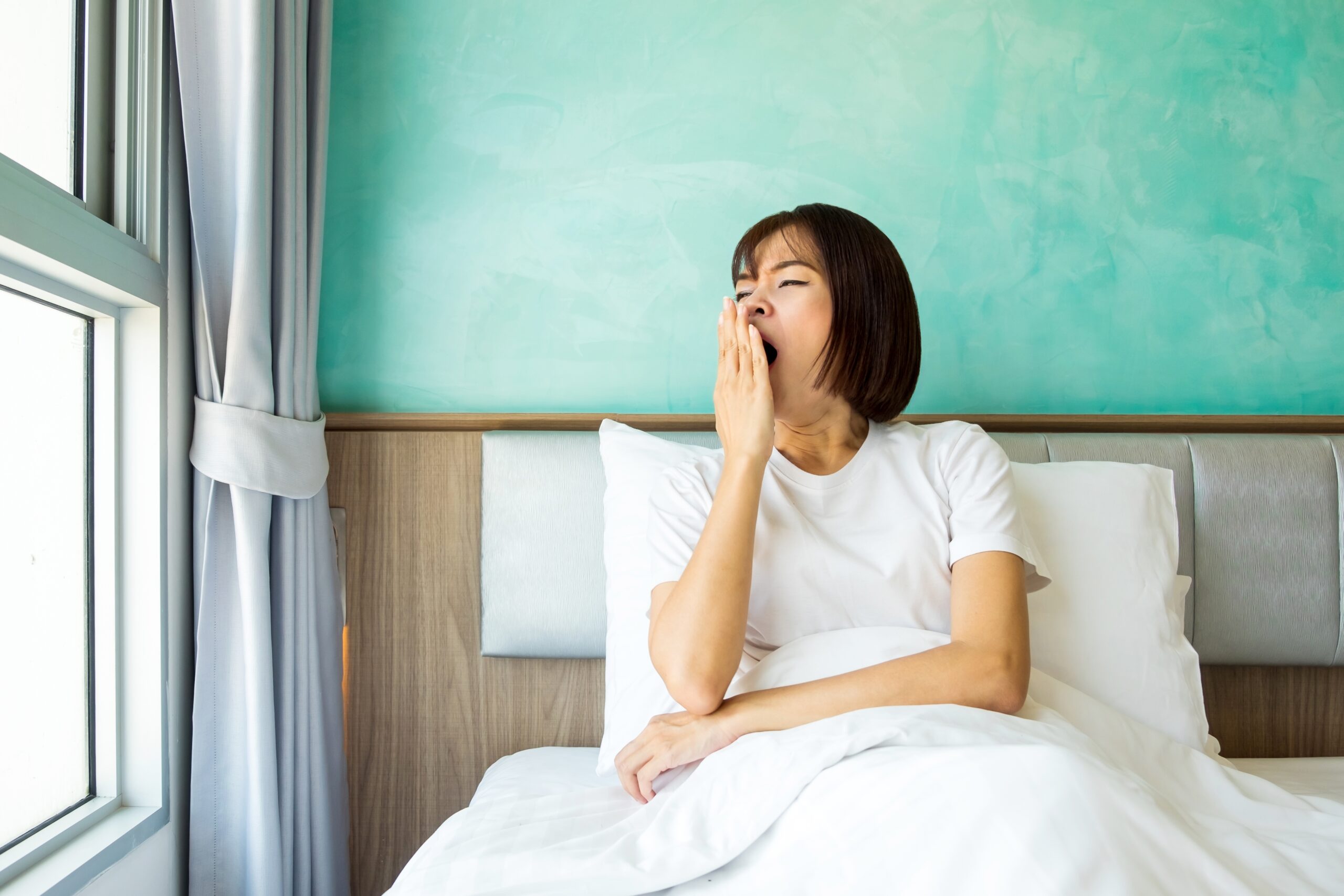
Your mouth’s bacterial ecosystem thrives or fails based on how many hours you spend in bed each night, according to groundbreaking research that connects sleep duration to oral health.
Story Highlights
- Study of 1,300+ young adults reveals longer sleep creates healthier mouth bacteria communities
- Nine to ten hours of sleep produces the most robust and balanced oral microbiome
- Sleep deprivation weakens immune defenses that protect against cavities and gum disease
- Quality sleep affects saliva production, inflammation levels, and hormone balance in the mouth
The Mouth-Sleep Connection Scientists Never Expected
Researchers studying over 1,300 young adults discovered something that challenges conventional thinking about oral health. The participants who slept longest each night maintained the most diverse and balanced bacterial communities in their mouths. This finding suggests that your pillow time directly influences whether harmful bacteria or protective microorganisms dominate the environment between your teeth and gums.
The optimal sleep duration for oral health emerged as nine to ten hours per night. Participants hitting this target showed bacterial diversity patterns associated with lower rates of tooth decay, gum inflammation, and oral infections. The research reveals that sleep acts as a powerful regulator of the microscopic ecosystem living in your mouth, influencing which bacterial strains flourish and which ones struggle to survive.
Meet My Healthy Doc – instant answers, anytime, anywhere.
How Sleep Deprivation Sabotages Your Mouth’s Defenses
Sleep loss triggers a cascade of biological changes that compromise oral health through multiple pathways. Your immune system weakens when you consistently get insufficient rest, reducing your body’s ability to fight off harmful bacteria that cause cavities and periodontal disease. Inflammatory markers increase throughout the body, including in gum tissue, creating conditions that favor destructive bacterial growth.
Hormone production shifts dramatically during sleep deprivation, affecting cortisol and other stress hormones that influence how your mouth’s tissues respond to bacterial challenges. Saliva production also decreases with poor sleep quality, removing one of your mouth’s primary defense mechanisms against acid-producing bacteria. This creates an environment where cavity-causing microorganisms can establish stronger footholds and multiply more rapidly.
Watch:
Got a health question? Ask our AI doctor instantly, it’s free.
Beyond Brushing: Sleep as Preventive Dental Care
Traditional oral hygiene advice focuses heavily on mechanical cleaning through brushing and flossing, but this research suggests sleep represents an underutilized tool for preventing dental problems. While removing plaque physically remains essential, optimizing sleep duration appears to work at a deeper biological level by supporting the natural bacterial balance that keeps mouths healthy.
The cost-effectiveness of sleep as oral health intervention makes this finding particularly significant for public health. Unlike expensive dental treatments or specialized oral care products, prioritizing adequate sleep requires no additional equipment or professional services. The research indicates that simply extending sleep duration could provide measurable improvements in oral microbiome health for millions of people currently getting insufficient rest.
Chat with AI for personalized sleep tips.