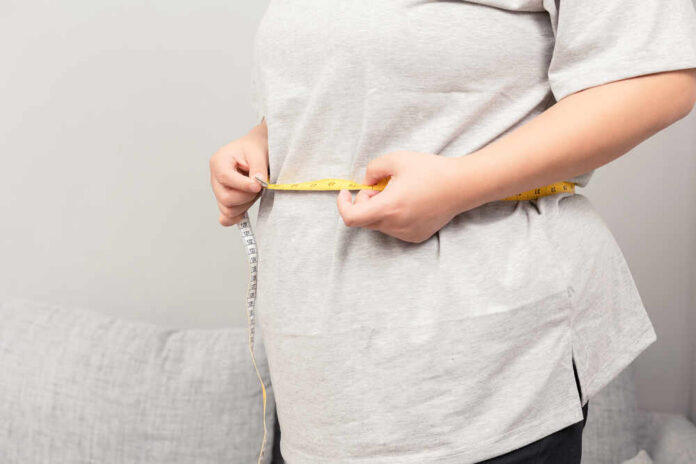
Men pack visceral fat around vital organs like ticking time bombs, while women brew inflammation and cholesterol storms—obesity strikes differently, demanding sex-specific defenses.
Story Snapshot
- Men with obesity accumulate more abdominal fat (waist 120 vs 108 cm), elevating liver enzymes and heart risks.
- Women show higher cholesterol (215 vs 203 mg/dL total, 130 vs 123 mg/dL LDL) and inflammation markers like C-reactive protein.
- Turkish clinic study of 1,134 patients reveals biology-driven differences beyond BMI, urging tailored treatments.
- Preliminary findings from Dokuz Eylul University head to European Congress on Obesity in May 2026.
- Global metabolic syndrome hits 1.54 billion adults, amplifying need for personalized obesity care.
Study Details from Dokuz Eylul Clinic
Researchers at Dokuz Eylul University Obesity Clinic analyzed 886 women averaging 45 years old and 248 men averaging 41 from 2024-2025 data. Men registered higher BMI at 37.5 kg/m² versus 36 kg/m² for women. Waist circumference measured 120 cm in men compared to 108 cm in women. Systolic blood pressure reached 128 mmHg in men against 122 mmHg in women. These metrics signal men’s greater vulnerability to visceral fat buildup around organs.
Men’s Distinct Obesity Risks
Men exhibited elevated liver enzymes ALT and GGT, plus higher triglycerides and creatinine levels. Visceral fat accumulation drives metabolic disorders, heart disease, and liver damage. Abdominal fat encircles the liver and pancreas, releasing fatty acids that inflame these organs. Evolutionary biology favors this storage in men for quick energy via testosterone influence.
Women’s Unique Health Threats
Women displayed higher total cholesterol at 215 mg/dL versus 203 mg/dL in men, and LDL at 130 mg/dL against 123 mg/dL. Inflammatory markers surged: erythrocyte sedimentation rate, C-reactive protein, and platelet count. Estrogen directs fat to hips and thighs subcutaneously, but X-chromosome genes heighten immune responses. These factors elevate heart disease and type 2 diabetes risks. Women also face PCOS overlaps in 60-80% of cases, complicating fertility fourfold.
Biological Roots of Sex Differences
Hormones dictate fat patterns: testosterone promotes men’s visceral deposits, estrogen women’s gluteal stores. Genetic variances amplify women’s inflammation via immune genes. Framingham Heart Study data since 1948 confirms a 1-unit BMI rise links to 5% higher heart failure risk in men, 7% in women. This Turkish cohort mirrors global patterns where women hold higher obesity rates but men suffer earlier cardiovascular hits. Biology trumps one-size-fits-all BMI obsession.
Implications for Treatment and Policy
Short-term, clinics target men with abdominal imaging and liver tests, women with lipid panels and anti-inflammatories. Long-term, hormone-specific diets and drugs promise CVD reductions. Economic savings emerge from curbing obesity-linked heart failure costs. Socially, this counters weight stigma hitting women harder. Politically, it demands sex-disaggregated health data, aligning with conservative emphasis on personal responsibility through precise, biology-based interventions over blanket mandates.
Sources:
ScienceDaily: Men and women with obesity face very different hidden health risks
News-Medical: Obesity health risks differ significantly between men and women
WDBO: Study: Men, women with obesity face very different hidden health risks
PMC: Sex differences in obesity-related health risks
Thrombosis.org: Beyond the Scale: Understanding the Hidden Health Risks of Obesity
Obesity Action Coalition: Weight Bias: Does it Affect Men and Women Differently?
UVA Health: Genetic Differences in Fat Shape Men and Women’s Health Risks