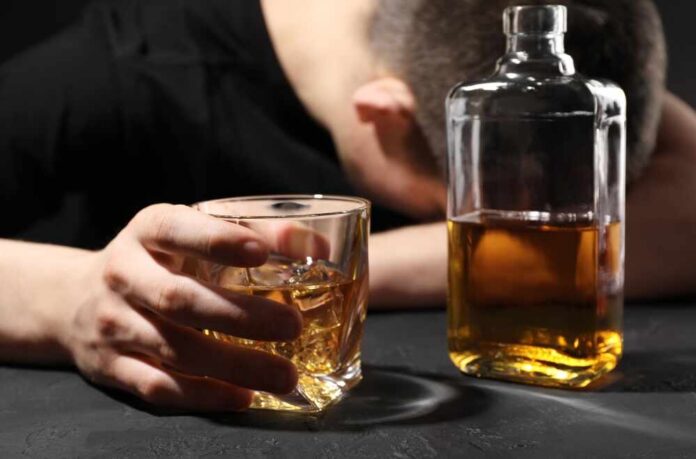
Your body whispers warnings about alcohol long before it screams, even if you sip just occasionally on weekends.
Story Snapshot
- Poor sleep despite full nights signals alcohol’s disruption of restorative REM cycles.
- Frequent illnesses reveal weakened immunity from moderate drinking.
- Mood swings like hangxiety expose neurotransmitter imbalances in casual drinkers.
- Breaks restore energy, digestion, and tolerance without implying addiction.
Three Core Signals Moderate Drinkers Ignore
Alcohol acts as a central nervous system depressant, fragmenting sleep even after one or two drinks weekly. Social drinkers report waking foggy despite eight hours in bed. The body skips deep REM stages essential for repair, leaving chronic fatigue. Coffee fails to revive because alcohol lingers, blocking true rest. This signal hits non-daily users first, urging a reset before exhaustion mounts.
Sleep Disruption Hits First and Hardest
Bodies of weekend warriors demand attention when rest evades them. Alcohol suppresses rapid eye movement sleep, vital for memory and mood regulation. Drinkers notice persistent tiredness, unhelped by extra hours asleep. Brains fail to recharge fully, creating a deficit that builds over time. Experts note this as the earliest flag for moderate intake, far from daily habits.
Recovery centers highlight how this weariness prompts many to reassess. Quality rest underpins productivity and health. Dismissing it risks broader decline, yet simple breaks reverse the toll swiftly.
Immunity Weakens, Illnesses Multiply
Frequent colds or lingering bugs strike social drinkers more often. Alcohol impairs white blood cell function, slowing pathogen defense even from sporadic use. Gut health suffers too, as it disrupts microbiome balance key to immunity. Moderate consumers overlook these as coincidence, but patterns emerge: workouts drag, recovery slows. Bodies signal overload before severe damage.
Public health data shows 29.5 million U.S. adults face alcohol-related disorders yearly. Wellness apps like Reframe track these dips, proving breaks boost resilience. Facts support early pauses align with personal responsibility, preventing escalation without overreach.
Mood Instability Signals Deeper Imbalance
Hangxiety plagues the day after, with irritability and low energy persisting. Alcohol depletes serotonin and dopamine, mood stabilizers disrupted by non-daily doses. Casual sippers feel off-kilter, blaming stress instead. This neurotransmitter rebound creates anxiety cycles, eroding well-being. Bodies flag tolerance buildup here, craving more for fleeting relief.
Arista Recovery lists this among top warnings, backed by clinical consensus. Individual tolerance varies, but patterns hold across sources. Breaks yield sharper focus, affirming self-control.
Why Breaks Work for Non-Daily Drinkers
Pauses reset tolerance, restoring sleep, immunity, and mood within weeks. Short-term gains include energy surges and weight loss; long-term cuts liver risks and dependence odds. Sober-curious trends grow, fueled by campaigns like Dry January since 2013. Families benefit from steadier dynamics, countering relational strain. Economic toll of misuse hits $249 billion yearly, underscoring prevention’s value.
Sources:
5 Warning Signs Your Body Is Telling You to Stop Drinking | Arista
MedlinePlus: Alcohol withdrawal
Drinkaware: How to take a break and reset your tolerance
Cleveland Clinic: Delirium Tremens
Reframe: Signs That You’re Drinking Too Much