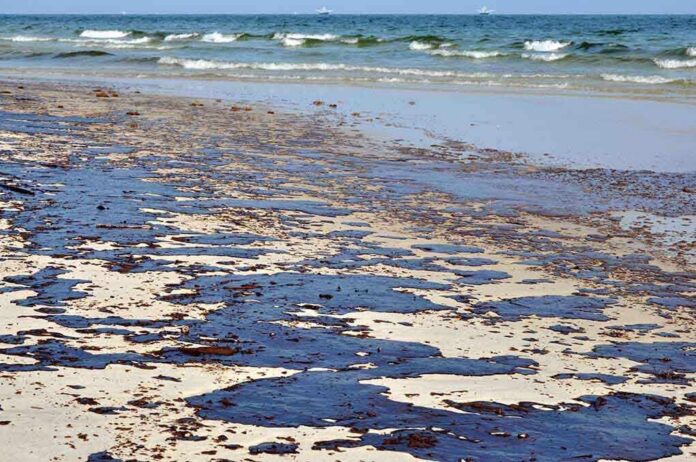
The same warm, sparkling waters that sell million‑dollar coastal real estate are quietly growing a bacteria that can kill a healthy adult in forty‑eight hours.
Story Snapshot
- “Flesh‑eating” Vibrio vulnificus is now documented along the East Coast’s upscale bays and beaches, not just in swampy backwaters.
- Warming, lower‑salinity coastal waters are expanding the months and places where this deadly bacterium thrives.
- The infection is rare, but when it hits, it is fast, disfiguring, and often fatal without rapid treatment.
- Simple precautions let you keep your beach house and your limbs.
How A Quiet Coastal Microbe Became A Headline Monster
Vibrio vulnificus is not an escaped lab bug; it is a naturally occurring bacterium that has always lived in warm, brackish coastal waters where salt and fresh water mix.[2] It earned the “flesh‑eating” nickname because once it slips into the body through a cut or a raw oyster, it can trigger necrotizing fasciitis, the catastrophic breakdown of skin and soft tissue around the infection site.[1][2] That gruesome outcome is rare, but when it happens, surgeons sometimes fight it with amputations and intensive care.[1][2]
Federal guidance from the Centers for Disease Control and Prevention (CDC) and state health departments paints the same picture: most people who swallow Vibrio vulnificus in food or water get nothing worse than watery diarrhea, stomach cramps, nausea, and a brief fever.[1][2] The nightmare scenario unfolds in people whose infections escape the gut or enter directly through an open wound, because the bacterium can flood the bloodstream and trigger sepsis, dangerously low blood pressure, and death in about one out of five cases.[1][2]
Why The East Coast’s Fancy Zip Codes Are Now On The Map
For decades, Vibrio vulnificus was mainly a Gulf Coast concern, with Louisiana and Florida logging most of the serious infections, especially in late spring through early fall.[2][3] Over the last generation, surveillance data cited by national public‑health agencies show infections in the Eastern United States increased roughly eightfold, tracking steadily northward along the Atlantic Seaboard.[3] Warmer coastal waters and longer hot seasons effectively turn more bays, inlets, and marinas into summer incubators for this microbe.[1][3]
Vibrio bacteria thrive in warm, low‑salt marine environments such as estuaries, sounds, and back bays, especially from May through October when water temperatures spike.[1][3] That describes exactly the playgrounds of East Coast money: brackish lagoons behind barrier islands, quiet coves lined with docks, and oyster‑rich tidal flats that feed high‑end raw bars from the Carolinas to Cape Cod. When those waters warm earlier and stay warm longer, health departments start reporting “unusual increases” in Vibrio detection and sporadic severe cases in places that once assumed they were too far north or too upscale to worry.[3][4]
The Numbers Are Small, The Consequences Are Huge
The CDC estimates only about 150 to 200 Vibrio vulnificus infections are reported nationwide each year, a drop in the bucket compared to everyday illnesses like influenza.[1] Massachusetts public health officials still describe the bacterium as rare, even as they issue coastal alerts when cases or environmental tests cross their internal thresholds.[2][3] For a population of hundreds of millions, that is not an epidemic. For the individual caught on the wrong side of the odds, it is life‑altering or life‑ending.[1][2]
Health‑care providers who see these cases describe a consistent pattern: a seemingly minor cut or puncture wound gets exposed to warm brackish water or raw seafood, then within hours the area becomes intensely painful, swollen, discolored, and sometimes marked by blood‑filled blisters.[1][2][4] If the bacteria invade the bloodstream, patients can crash into septic shock with fever, chills, and plummeting blood pressure, sometimes within a day or two of the beach outing or oyster dinner that started it all.[1][2] People with liver disease, diabetes, cancer, HIV, or generally weakened immune systems are far more likely to suffer this severe course.[1][2]
Climate And The Instinct To Plan Ahead
Researchers who study marine pathogens are blunt: warming coastal waters are one of several “incidental consequences” of a changing climate that favor Vibrio bacteria, including Vibrio vulnificus.[3] You do not need to buy anyone’s political agenda to recognize that hotter summers and stronger storms mix heat, runoff, and sewage in ways that are not friendly to human skin or seafood.[2][3]
Authorities recommend that people with fresh cuts, scrapes, or burns simply avoid warm salt or brackish water, especially during the summer peak.[1][2] Anyone handling raw shellfish should wear gloves and keep wounds covered.[1] Oysters and other shellfish should be thoroughly cooked—boiled until shells open and then kept boiling, or fried for several minutes—because most severe Vibrio infections follow either raw seafood or wound exposure, both of which are entirely optional risks.[1][2]
How To Enjoy The Water Without Becoming A Cautionary Tale
Middle‑aged and older adults are often in the highest‑risk groups because they are more likely to have liver problems, diabetes, or cancer, or to take medicines that suppress the immune system or reduce stomach acid.[1][2] That does not mean retirees must abandon the boat or the beach. It does suggest upgrading the mental checklist: check your legs and feet for cuts before wading; keep waterproof bandages in the tackle box; ask how the oysters were sourced and stored before slurping them on the half shell.[1][2]
Vibrio vulnificus will never be eradicated from the ocean, and public‑health officials do not suggest trying.[2][3] This is about coexistence, not eradication—recognizing that a rare but ferocious infection has more room to roam as coastal conditions change, and meeting that reality with straightforward precautions instead of magical thinking.[1][2][3] The coastal dream still works: sunset cocktails, grandkids in the surf, charter boats at dawn. It just comes with a new, invisible neighbor you are wise to treat with respect.
Sources:
[1] Web – Flesh-Eating Bacteria Invading East Coast’s Swankiest Waterways…
[2] Web – Health Alert Network (HAN) – 00497 | Severe Vibrio vulnificus … – …
[3] Web – Department of Public Health alerts public to rare Vibrio vulnificus …
[4] Web – How Warming Waters are Fueling the Spread of Vibrio Vulnificus