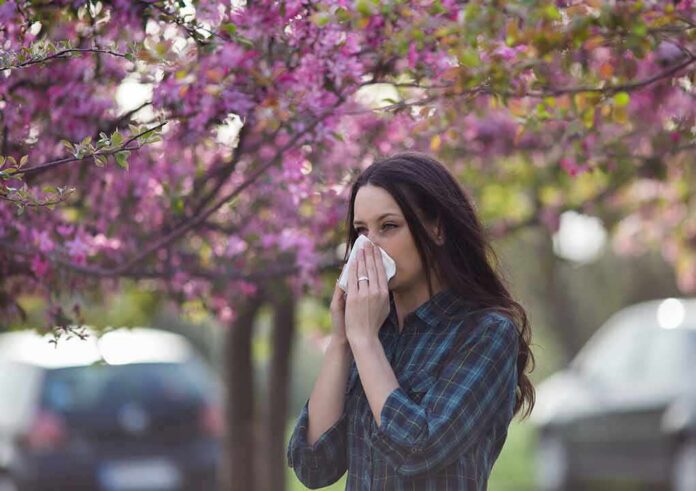
Ragweed pollen and fall mold are sticking around longer this year, keeping millions sneezing well past summer.
Story Snapshot
- Ragweed is the top driver of fall allergies, often lasting until the first frost.
- Warmer weather and more frost-free days can extend and intensify pollen seasons.
- Ragweed pollen can travel hundreds of miles, spreading symptoms far from fields.
- Damp, decaying leaves kick up mold spores that add to fall misery.
What Is Driving This Fall’s Allergy Spike
Doctors point to ragweed as the main cause of fall sniffles and itchy eyes. Ragweed releases heavy amounts of pollen from late summer into fall, often until the first frost ends the season. Health agencies report that warmer temperatures, shifting rainfall, and longer frost-free periods can stretch pollen seasons and raise pollen levels. These changes increase how much and how long people breathe allergens each year. That means more days of symptoms for many families.
Ragweed pollen does not stay near the plant. It is light and can ride the wind for long distances. Clinicians warn that it can travel hundreds of miles and reach people who do not live near fields or empty lots. This helps explain why city residents can still suffer strong fall allergies. Even on days when local plants seem quiet, winds can bring in pollen from far away. People feel the hit, often without seeing the source.
Why Leaf Piles And Damp Weather Make Things Worse
Fall brings rain, leaf piles, and weekend yard work. Those same conditions can boost mold exposure. Decaying leaves trap moisture and grow mold. Raking and blowing leaves can throw mold spores into the air and into your nose. Some people also notice mixed triggers. Rain can knock pollen down for a short time, but new growth and dry, windy days after storms can send pollen levels back up quickly. The swings can make planning relief tricky.
People often ask if they have allergies or a seasonal illness. Doctors say allergies tend to come and go day to day and can last for weeks or months. Infections like the flu or COVID-19 usually hit hard for about a week and may bring fever or swollen lymph nodes. When symptoms include fever or body aches, call a doctor. When symptoms track outdoor time and ease indoors with clean air, allergies are more likely. Testing can remove doubt.
How To Cut Exposure And Feel Better
Simple steps can lower daily exposure. Check local pollen reports and plan workouts for later in the day when pollen is often lower. Keep windows closed on high pollen or windy days. Use high-efficiency filters in home systems and change them on schedule. Shower after yard work, and wash clothes worn outside. If raking, wear a mask and eye protection to limit mold and pollen. These steps reduce the load your body must fight each day.
Medicine can help when exposure control is not enough. Many people get relief from over-the-counter antihistamines and nasal steroid sprays. Start them before peak symptoms if your pattern is predictable. For tough, long seasons, talk with an allergist about prescription options or allergy shots. Shots can train your immune system to react less over time. Combine medicine with exposure control for the best results, and follow label and doctor guidance.
Why This Matters Beyond One Bad Season
Public health officials warn that changing weather patterns can lengthen and intensify pollen seasons in parts of the country. Allergy misery is not just a nuisance. It drives missed school, lost work, and higher health costs. It also worsens asthma for many people. Families on both the left and right can agree on this: when basic risks rise and costs climb, leaders should focus on practical fixes that help people breathe easier at home and at work.
Sources:
aaaai.org, cdc.gov, health.clevelandclinic.org, acaai.org