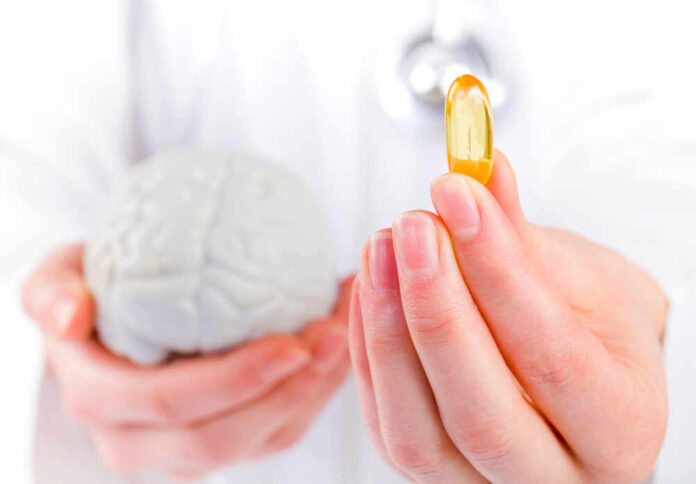
The supplement industry rakes in billions promising sharper minds and protected memories, yet Harvard researchers say the evidence for most brain-boosting pills remains virtually nonexistent.
Story Snapshot
- Between 44-57% of older adults take omega-3 or fish oil supplements despite limited scientific proof of cognitive benefits
- One omega-3 product alone generates over $39 million in monthly U.S. sales, fueling a massive industry built on hope more than evidence
- B vitamins show promise for slowing brain atrophy, but only in people with existing deficiencies—not healthy individuals
- Harvard medical experts warn against brain supplement hype, stating no credible evidence supports claims of cognitive improvement in well-nourished adults
- Regulatory gaps allow companies to market unproven products like Prevagen and Neuriva, which face FTC scrutiny for misleading claims
The Billion-Dollar Promise That Science Cannot Confirm
The brain health supplement market exploded during the COVID wellness boom, capitalizing on aging Baby Boomers terrified of Alzheimer’s and cognitive decline. Supplement makers pitch omega-3s, B vitamins, ginkgo biloba, and exotic compounds as overlooked solutions to preserve mental sharpness. The financial stakes are staggering—billions flow annually into products whose efficacy remains hotly debated among scientists. This disconnect between marketing claims and scientific consensus reveals a troubling reality: consumers desperate for cognitive insurance are gambling their money on largely unproven interventions while the industry profits handsomely from uncertainty.
What the Research Actually Shows About Popular Brain Supplements
Omega-3 fatty acids from fish oil represent the most studied brain supplement category. Research from the 1990s onward examined DHA and EPA for memory enhancement and ADHD symptom reduction. Some trials showed modest improvements in attention and blood flow, particularly in deficient populations or those with family histories of dementia. GoodRx notes omega-3s at 1-2 grams daily merit consideration based on available evidence. Yet Harvard’s Dr. Pieter Cohen counters that benefits appear only in nutritionally deficient individuals, not well-nourished adults seeking cognitive enhancement beyond baseline function.
B vitamins—specifically B6, B9 (folate), and B12—earned attention through 2000s research linking them to homocysteine reduction and brain structure maintenance. A 2025 University Hospitals article highlighted studies where B vitamins slowed brain atrophy in older adults with low levels. The catch proves critical: these benefits materialize only when correcting deficiencies common in vegans, elderly populations, and those with absorption issues. PMC reviews from 2023-2024 emphasize this narrow application window. Sufficient B vitamin intake from diet negates supplementation benefits, rendering pills unnecessary for most healthy eaters.
The Industry-Funded Studies Creating False Confidence
Supplement manufacturers fund research that frequently arrives at convenient conclusions. Products like Prevagen and Neuriva generated millions while facing Federal Trade Commission scrutiny for misleading efficacy claims. The AARP Global Council on Brain Health reviewed available evidence and reported no proven benefits for the vast majority of brain supplements marketed to older adults. This regulatory vacuum allows companies to exploit technicalities—supplements face safety oversight but not efficacy requirements before reaching store shelves. The result is a marketplace flooded with products whose promises outpace their performance, preying on legitimate health concerns.
Exotic Compounds With Underwhelming Human Evidence
Beyond omega-3s and B vitamins, the supplement world offers phosphatidylserine, CoQ10, resveratrol, curcumin, ginkgo biloba, and ginseng as brain protectors. Phosphatidylserine shows some memory support in limited studies. Curcumin demonstrates plaque reduction potential in early trials, according to University Hospitals reporting. However, ginkgo biloba flopped spectacularly—a comprehensive 2008 review found zero dementia protection despite decades of Asian traditional use and Western marketing. Resveratrol succeeded in animal studies but delivered mixed human results. GoodRx categorizes CoQ10 and resveratrol as too premature for recommendation, lacking sufficient clinical trial support.
Who Actually Benefits and Who Wastes Money
The evidence points to specific populations gaining measurable benefits: vegans and vegetarians deficient in B12, elderly individuals with poor nutrient absorption, those with documented omega-3 deficiencies, and people with family histories of cognitive decline. Kaiser Permanente recommends targeted supplementation for these groups under medical supervision. Everyone else—the majority purchasing brain supplements—likely throws money at negligible returns. Low-income consumers hit hardest by this dynamic spend limited healthcare dollars on unproven products instead of proven interventions like quality nutrition, exercise, and blood pressure management that demonstrably protect cognitive function.
Why Diet Wins Over Pills Every Time
Harvard’s consistent message prioritizes food sources over supplements for brain health. Fatty fish provides omega-3s with additional nutrients pills cannot replicate. Leafy greens, whole grains, and fortified foods deliver B vitamins in bioavailable forms alongside fiber, antioxidants, and compounds science has not yet isolated. The Mediterranean and MIND diets show robust cognitive protection in longitudinal studies—benefits no supplement regime has matched. This reality frustrates an industry built on convenience and quick fixes, but it aligns with conservative principles of self-reliance and skepticism toward overpromised commercial solutions. Eating real food requires more effort than swallowing capsules, yet delivers superior and verifiable results.
Sources:
Best Supplements for Brain Health – GoodRx
Boost Your Brainpower With 3 Supplements – Kaiser Permanente
Can Supplements Improve Your Brain Health – UH Hospitals
Don’t Buy Into Brain Health Supplements – Harvard Health
Brain Health Supplements – AARP Global Council
B Vitamins and Brain Health – PMC NIH