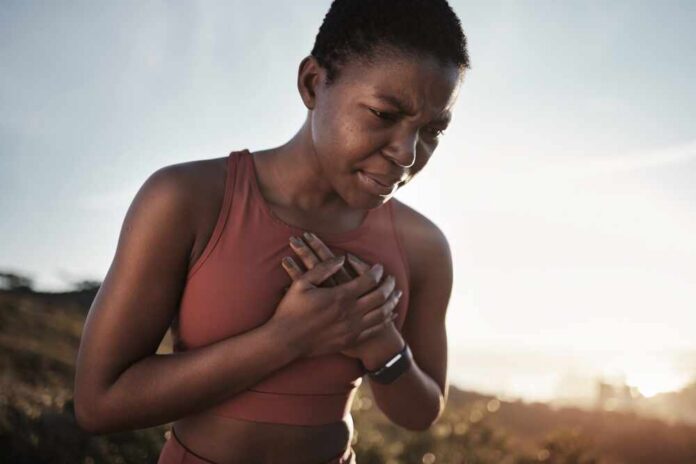
Heart disease could strike nearly 6 in 10 American women by 2050, fueled by obesity and diabetes epidemics that demand personal responsibility over government handouts.
Story Highlights
- Nearly 60% of U.S. women projected to face cardiovascular disease (CVD) by 2050, up from current levels, due to surging high blood pressure, obesity, and diabetes.
- Young women ages 22-44 see 1/3 affected versus under 1/4 now; girls ages 2-19 face 32% obesity rates, signaling failed public health approaches.
- Progress stalled since 2011 after decades of gains from individual choices like quitting smoking; COVID spikes exposed vulnerabilities.
- Experts call it a preventable “wake-up call” emphasizing diet, exercise, and early action over reliance on Big Pharma or bloated programs.
AHA Projections Reveal Alarming CVD Rise
The American Heart Association published a scientific statement on February 25, 2026, in Circulation projecting nearly 60% of U.S. women will develop CVD by 2050. High blood pressure jumps from 48.6% in 2020 to 59.1%, obesity exceeds 60% from 43.9%, and diabetes surpasses 25% from 14.9%. These trends drive increases in heart disease, heart failure, atrial fibrillation, and stroke. Women face unique risks like heart stiffening and higher stroke rates with atrial fibrillation. Prevention through personal lifestyle changes remains key to reversing this course.
Youth Obesity Drives Early-Onset Crisis
Girls ages 2-19 could hit 32% obesity by 2050, while women ages 22-44 see diabetes rise from 6% to 16%, setting up earlier and severe CVD events. Over 60% of girls remain insufficiently active, and half follow poor diets. Lead author Karen Joynt Maddox warns these patterns signal the nation’s health heading wrong. C. Noel Bairey Merz calls it an alarming yet preventable wake-up call. Conservative values stress family-led health habits over failed school lunch mandates or soda taxes that erode personal freedom.
Racial disparities worsen the outlook: Black women exceed 70% for hypertension and obesity, Hispanics see 15% higher hypertension, Asians 26% obesity increase. Poverty delays care, burdening women as caregivers. AHA president Dr. Stacey Rosen notes fewer than half of women know CVD is their top killer, lower among Black and Hispanic groups. Individual awareness and action protect families better than equity programs that expand government reach.
Stalled Progress Demands Common-Sense Action
CVD deaths for women declined for decades via reduced smoking and better care but stalled around 2011. Heart failure deaths plateaued in 2012 then rose; COVID caused spikes before stabilization. High blood pressure persists as the top risk, worsening with age. Childhood obesity emerged as a key driver amid rising inactivity and poor diets. Pre-1993, women faced limited NIH study inclusion until Congress mandated it, thanks to advocates like Bairey Merz. Now, projections model ongoing risk factor surges unless reversed.
AHA positions this as a call to action for diet, activity, and early detection. Short-term awareness may boost screenings; long-term, untreated trends strain healthcare and hit young women hardest. Cardiology eyes women-specific treatments like heart stiffening drugs. Public health must prioritize youth obesity without overreach. Trump’s focus on strong families and self-reliance aligns with combating these threats through personal responsibility, not endless spending on awareness campaigns.
Sources:
Study: Nearly 6 in 10 women projected to have cardiovascular disease by 2050
Heart disease risk forecasts for women: 2050 projections
Women’s cardiovascular disease risks
6 in 10 women face cardiovascular disease risk by 2050
6 in 10 U.S. women projected to have at least one type of cardiovascular disease by 2050
Heart disease and stroke projected to rise significantly in women in the next 25 years