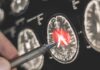
Romantic love and heartbreak do not just “move your feelings” — they tap into primal brain circuits built for survival, reward, and pain, and then demand you wrestle back control.
Story Snapshot
- Romantic love lights up deep reward circuits in the brain, similar to powerful drugs.
- Heartbreak hits many of the same regions that process physical pain and threat.
- Social bonds and attachment chemicals are tied to health, resilience, and even longevity.
- Your choices during and after heartbreak help reshape how your brain responds next time.
Love hijacks the brain’s reward system
Functional brain scans show that when people look at photos of someone they love, reward centers in the midbrain flare with activity. These include the ventral tegmental area and nearby regions rich in dopamine, the chemical that pushes you to chase things that feel good. Researchers who scanned people “madly in love” found that these dopamine pathways look a lot like the ones that light up with cocaine or alcohol. Love is not a moral weakness; it is a powerful reward signal baked into the hardware.
Neuroscientist Lucy Brown has described romantic love as a survival-driven “addiction system,” meaning your brain treats a partner like water in a desert. That language makes some experts nervous, but the core point fits the data: the same circuits that keep you alive by making you crave food and safety get recruited to make you crave your partner. For a culture built on personal responsibility, this is a hard pill: you are still responsible for your choices, but you are not starting from neutral.
How attachment blends your sense of self
Studies of people in long-term relationships show that thinking about “me” and “my partner” activates overlapping regions in the medial prefrontal cortex, a key area for self-identity. That overlap helps explain why breakups feel like losing a piece of yourself, not just losing another person. Media often talk about this as “rewiring” your brain, which oversimplifies things. These changes are better seen as flexible patterns your brain builds and can later undo, not permanent damage you are stuck with for life.
Other work finds that love also quiets regions that handle fear and harsh social judgment, including parts of the amygdala and prefrontal cortex. That shutdown helps you bond, but it also explains why smart adults ignore obvious red flags. Popular culture mocks people for “falling for the wrong one,” yet the neuroscience shows the system is designed to lower skepticism so attachment can form. This is a warning: trust should be earned slowly, because your brain will not stay cautious once dopamine gets involved.
Heartbreak, pain, and the body’s stress alarms
When love collapses, the brain does not treat it as a minor disappointment. Scans of people facing romantic rejection show activity in the insular cortex and anterior cingulate cortex, regions also involved in physical pain and threat. That overlap is why heartbreak feels like being punched in the chest rather than receiving a bad email. Your survival circuits flag loss of a key bond as danger, and they flood your system with stress chemicals to get your attention.
Doctors even see rare cases of “broken heart syndrome,” where sudden, intense emotional stress triggers heart failure that looks like a classic heart attack. Some reports suggest a huge spike in heart attack risk in the day after a spouse’s death, though popular programs do not always show the underlying study that produced this number. That missing detail matters: serious claims about risk should rest on clear data. Still, from a values standpoint, the basic message is sound. Grief and loneliness are not just sad feelings; they can threaten physical health.
Oxytocin, social bonds, and why isolation is dangerous
Love and close connection rely on attachment chemicals such as oxytocin and vasopressin, which help people feel safe and bonded. Oxytocin is often called the “cuddle hormone” because it rises during touch, trust, and intimacy. Some reports claim it also reduces inflammation and supports immune function, but often without citing specific trials. That gap is a good reminder: your body clearly links bonding and health, yet not every neat-sounding effect has strong proof behind it.
How love and heartbreak rewire your brain – BBC World Service https://t.co/nPw7hzU5r6
— Hiiyo listens to BBC UKRAINECAST🎧 (@bzstgrn) July 19, 2026
Large studies link strong social ties with longer life, while chronic loneliness raises risk of early death in ways similar to obesity or smoking. That should matter deeply to anyone who values family, community, and faith-based networks. A culture that treats relationships as disposable also toys with its own health. Strong marriages, reliable friendships, and rooted local communities are not just nice ideals; they are practical defenses against the biological wear and tear of isolation.
How you help your brain recover from heartbreak
After a breakup, the same reward and attachment circuits that once lit up for your partner can keep firing like a stuck alarm. Recovery means teaching your brain new patterns. Therapists and researchers recommend facing the pain instead of numbing it, removing constant reminders like photos and old messages, and filling your days with rewarding, healthy activities such as exercise, travel, learning, and time with trusted friends. Those choices give dopamine and attachment chemicals new, better targets than a lost relationship.
Popular media often sell “rewiring” as if one breakup permanently scars your brain. The evidence tells a different story. These systems are plastic: they change with experience, and they can change back. That is good news for anyone who has loved badly, stayed too long, or ignored their own standards. You are not doomed by past choices, but you are shaped by them until you build new habits. The lesson is simple: guard your heart, choose bonds carefully, and when things break, do the hard work that helps your brain — and life — reset.
Sources:
youtube.com, greatergood.berkeley.edu, apa.org, pubmed.ncbi.nlm.nih.gov, hms.harvard.edu, eurekalert.org, pmc.ncbi.nlm.nih.gov







![✅ Best Electric Shaver 2026 [Find Which Electric Shaver is Right for YOU?]](https://pureliving365.com/wp-content/uploads/sites/11/2026/07/maxresdefault-22-100x70.jpg "Men’s Best Overall Electric Razor 2026")