A microbe hiding in your kimchi just pulled off something most detox fads only promise: it actually grabbed plastic and helped flush it out of a living body.
Story Snapshot
- Scientists isolated a specific probiotic strain from kimchi that binds nanoplastics in the gut and boosts their excretion in mice.[1][3]
- Laboratory tests show this strain still works under simulated human intestinal conditions, not just in a test tube.[1][3][5]
- The finding is real but narrow: one strain, one type of plastic, no human trials yet.[1][3]
- Media headlines leap to “kimchi detox,” but the science tells a much more cautious and more interesting story.[2][4][5]
The tiny bacterium that turned into a headline
Researchers at the World Institute of Kimchi in South Korea went hunting through a bowl of fermented cabbage and pulled out a microscopic workhorse with a very specific talent.[1][3] The strain, called Leuconostoc mesenteroides CBA3656, is a lactic acid bacterium that normally helps ferment kimchi. In this study, scientists tested whether it could latch onto polystyrene nanoplastics—particles so small they can slip past many of the body’s normal defenses.[1][3][5] What they found launched a wave of breathless headlines, and also a fair amount of skepticism.
Under standard lab conditions, CBA3656 bound about 87 percent of the polystyrene nanoplastics in solution, a level similar to a comparison strain from kimchi.[3][5] The real separation came when researchers tried to mimic the human gut. In simulated intestinal fluid, the reference strain’s performance collapsed to around 3 percent, while the kimchi strain still grabbed about 57 percent of the particles.[3][5] That meant this bacterium did not just stick to plastic in a pristine beaker; it held on in something more like the messy chaos of your intestines.
From Petri dish to mouse gut: what actually changed
Laboratory binding is one thing; delivering a measurable effect in a living creature is another. To test that leap, the team turned to germ-free mice—animals raised without any other microbes to muddy the waters.[1][3] Some mice received a dose of the kimchi-derived strain, while others did not. All of them then got exposed to a controlled amount of polystyrene nanoplastics in their drinking solution.[1][3] When the researchers checked the droppings, the probiotic group showed more than double the amount of nanoplastics in their feces compared with untreated mice.[1][3]
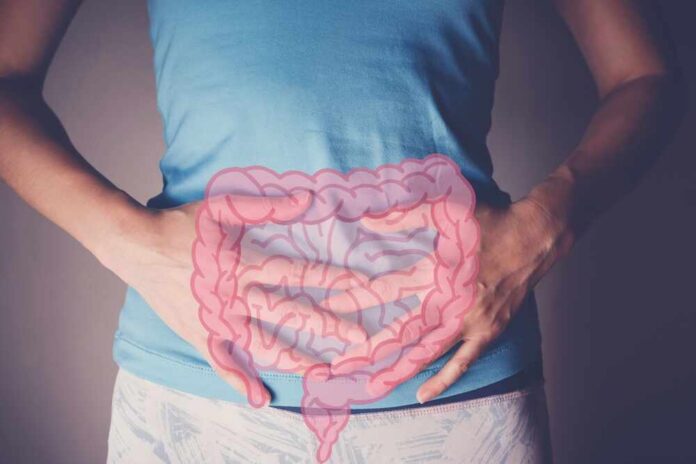
The nanoplastics did not magically disappear; they simply left the body the old-fashioned way, attached to bacterial surfaces.[3] Microscopy work summarized in secondary reports indicates the plastic stuck to the outside of the cells rather than being digested or destroyed.[3] That detail matters. This strain looks like a living sponge in the gut, not a plastic shredder. The benefit, if it translates to humans, would be about preventing particles from crossing the intestinal wall in the first place, not pulling plastic out of your bloodstream or brain once it is already there.[3]
What the science shows, and what the headlines stretch
Several outlets quickly translated this careful lab work into a catchy consumer promise: kimchi helps remove microplastics from the body.[4][5] That phrasing skips at least three key qualifiers. First, the experiments used a single purified strain, not whole kimchi.[1][3][4] Second, the plastic in question was polystyrene nanoplastics in highly controlled forms, not the ragged, mixed particles you ingest from food packaging and polluted air.[1][3] Third, every living subject in the main study was a mouse, not a human volunteer.[1][3]
Even some science communicators who are generally enthusiastic about probiotics have pointed out that distinction.[3][4] The authors themselves reportedly describe the work as limited to “lab-scale experiments” and call for larger, more realistic studies before anyone assumes clear health benefits.[5] That is how sober research should sound. The strain clearly does something interesting in vitro and in germ-free mice, but there is zero evidence yet that eating supermarket kimchi meaningfully changes nanoplastic levels in actual people.[2][4]
The funding, the hype, and the middle ground
Commentators note that the study was at least partially funded by organizations devoted to promoting kimchi.[2][5] That does not make the data fraudulent, but it does raise a flag for anyone who has watched industry-funded nutrition studies repeatedly lean toward favorable interpretations.
Fascinating preclinical data.
The World Institute of Kimchi found that the live probiotic strain " Leuconostoc mesenteroides " acts as a biological filter in vitro.
By binding to polystyrene nanoplastics in the digestive system, it increases their excretion and limits… pic.twitter.com/oL1y577Fec
— Athishay Srinivas (@pre_historic) May 17, 2026
For people already eating fermented foods, this study offers an intriguing bonus story, not a reason to panic or to binge-buy jars of cabbage.[3][4] A healthy skepticism cuts both ways. Dismissing the work because it is early-stage would be as lazy as treating it as proven therapy. The realistic takeaway is simple: one carefully studied kimchi bacterium can bind certain nanoplastics in simulated guts and in a special kind of mouse, which hints at a possible future probiotic tool for reducing plastic absorption.
What to do now while the science catches up
Anyone worried about plastic in their body has more reliable levers to pull today than chasing a single probiotic strain. Basic exposure control—avoiding microwaving food in plastic, favoring glass or steel containers, choosing less packaged foods—sits squarely in the realm of personal responsibility and requires no miracle microbe.[4] Adding moderate amounts of kimchi or other fermented vegetables fits neatly with traditional diets and may support gut health more broadly, with or without a plastic-binding superstar.[3][4]
The next step for the scientists is clear enough. They need human trials that track whether consuming the specific strain CBA3656 actually increases nanoplastic excretion in people, and whether that change reduces the amount that ends up in tissues.[1][3] They also need to test whether the strain still works in the crowded ecosystem of a normal human microbiome, not just in germ-free mice.[3] Until that evidence arrives, the smart stance is cautious curiosity: enjoy your kimchi, tighten up your plastic use, and watch the research, not the headlines.
Sources:
[1] Web – Kimchi-derived probiotic found to promote binding and excretion of …
[2] Web – Industry-funded study of the week: Kimchi – Food Politics by Marion …
[3] Web – Kimchi-derived bacteria may help remove nanoplastics from the gut.
[4] Web – The Link Between Kimchi and Microplastics, Explained
[5] Web – Kimchi-derived probiotic shows promise for nanoplastic elimination