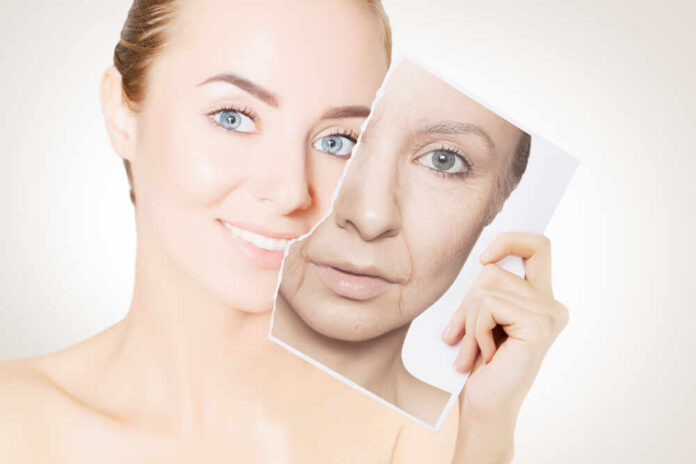
Your skin doesn’t have to suffer when you satisfy your sweet tooth—the latest wave of no-bake desserts proves that indulgence and complexion health can coexist on the same plate.
Quick Take
- No-bake desserts formulated with whole foods, healthy fats, and antioxidants deliver dual benefits: taste satisfaction and measurable skin improvements
- Recipes featuring avocados, berries, and plant-based ingredients replace refined sugar and dairy that research links to acne and premature aging
- Five-minute preparation times make skin-nourishing desserts accessible for busy adults who refuse to compromise on wellness
- The functional dessert market reflects a fundamental shift in how consumers view food—not as indulgence versus health, but as an integrated approach to beauty from within
The Dessert Revolution Nobody Saw Coming
For decades, dessert meant guilt. Sugar-laden cakes, cream-filled pastries, and dairy-heavy confections promised pleasure while delivering breakouts, inflammation, and accelerated aging. The skincare industry responded by selling expensive serums and treatments. But a growing segment of health-conscious consumers aged forty and beyond asked a radical question: what if the problem wasn’t external, but what we were putting in our bodies? This shift spawned an entirely new category of functional desserts designed to nourish skin while satisfying cravings. No-bake recipes lead this movement because they eliminate the oxidation damage from baking, preserving heat-sensitive antioxidants and nutrients that support skin health.
Meet the Game-Changing Recipes
The avocado chocolate pudding stands as the flagship recipe in this category. Made with avocados, coconut milk, coconut butter, cocoa powder, vanilla, cinnamon, and liquid stevia, this zero-sugar dessert requires merely ten minutes of refrigeration before serving. Topped with almond butter, walnuts, and toasted coconut, the healthy fats from avocados are credited with promoting visible skin glow. The recipe delivers sustained satiation without blood sugar spikes that trigger inflammation and breakouts.
A sugar-free apple, raspberry, and cinnamon crumble targets acne sufferers directly. Apples provide water, fiber, vitamins A and C, calcium, and iron. Raspberries pack antioxidants that reduce inflammation. Cinnamon demonstrates antibacterial and anti-inflammatory properties. Together, these ingredients create a dessert that actively fights the conditions destroying your complexion.
Strawberry, orange, and almond muffins represent another powerful option. Strawberries contain ellagic acid, which stimulates collagen production and prevents wrinkles. Orange zest delivers vitamin C, nature’s most potent collagen booster. Almond milk replaces dairy—a known acne trigger for many adults—while providing vitamin E for environmental protection.
A five-minute frozen vegan dessert featuring plant-based nut butters offers speed without sacrificing nutrition. Carrot-based bite-sized desserts made from shredded carrots, cinnamon, almond flour, dates, coconut, and coconut oil provide beta-carotene and sustained energy release. These recipes aren’t afterthoughts; they’re engineered solutions to a real problem.
Why Your Skin Actually Cares What You Eat
The science connecting diet to skin health is no longer speculative. Refined sugar causes glycation, a process that damages collagen and elastin fibers, accelerating wrinkle formation. Excess dairy contains hormones and growth factors that stimulate sebum production, triggering acne. Conversely, antioxidant-rich fruits reduce inflammation at the cellular level. Healthy fats from avocados and nuts support the skin barrier function that prevents moisture loss and environmental damage. Vitamin C from citrus directly stimulates collagen synthesis. These aren’t marketing claims; they’re biological mechanisms.
The Market Transformation Nobody Expected
The functional dessert movement reflects a seismic shift in consumer consciousness. Health-focused food brands now develop and market skin-beneficial ingredients specifically for dessert applications. Specialty food retailers stock liquid stevia, coconut butter, and premium nut flours at unprecedented volumes. Content creators and wellness influencers build massive audiences around skin-health recipes. Traditional dessert manufacturers face genuine competition from these alternatives, not because they taste better—though many do—but because they deliver measurable results.
This transformation extends beyond individual recipes. The intersection of nutrition and beauty industries is no longer a niche concern; it’s reshaping how consumers think about preventative health. A forty-five-year-old choosing an avocado chocolate pudding over a conventional cake isn’t making a sacrifice. She’s making an investment in her appearance, energy levels, and long-term wellness. She’s choosing efficacy over temporary pleasure.
Nutritionists emphasize that desserts can be both delicious and nutritious when formulated with whole foods, fiber, antioxidants, and healthy fats rather than refined sugar and excess dairy. However, experts consistently note that all desserts should be consumed in moderation, as portion control remains essential regardless of ingredient quality. Individual skin responses vary based on genetics, overall diet, and lifestyle factors, meaning results aren’t universal. Yet for many adults struggling with acne, dullness, or visible aging, these recipes deliver tangible improvements within weeks.
Sources:
Healthy Chocolate Pudding That Makes Your Skin Glow
3 Delicious Desserts That Are Actually Good for Your Skin
No-Bake Desserts for Hot Summer Days