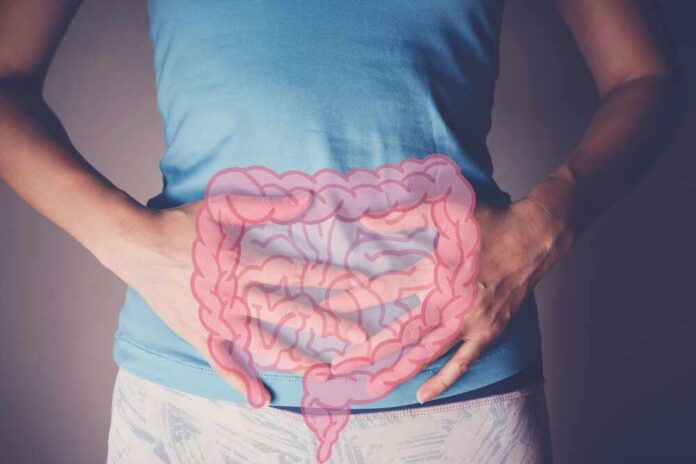
Puffy ankles, a swollen ring finger, and a “why does my face look like this” morning often come down to one brutally simple thing: your body is hoarding salt-water like it’s preparing for a drought.
Quick Take
- Potassium-heavy foods help your kidneys push out excess sodium, one of the biggest drivers of everyday water retention.
- “Natural diuretics” work best when they come from high-water produce, not dehydrating gimmicks or extreme detox plans.
- Protein doesn’t just “build muscle”; it helps keep fluid inside your blood vessels instead of leaking into tissues.
- Magnesium and vitamin B6 show the strongest evidence for bloating relief in PMS-related water retention, with less certainty for everyone else.
The Most Common Cause of “Sudden Puffiness” Isn’t Fat
Water retention is the body’s short-term fluid shuffle, not a mysterious weight gain. A salty meal, travel, heat, dehydration, hormonal swings, and even a high-carb day can all tilt the balance. Kidneys hang onto sodium, water follows, and tissues look swollen. The fastest way to get traction is to stop treating it like an emergency and start treating it like math: sodium in, potassium and fluids out.
Every practical food strategy in this space targets the same bottleneck: your kidneys’ job of managing sodium and water. When sodium stays high and potassium stays low, your body tends to retain fluid. When you flip that ratio and eat real foods with water, fiber, and minerals, you don’t just “feel lighter.” You often wake up with less facial puffiness, fewer sock marks, and less tightness in hands and feet—especially after restaurant meals.
Potassium: The Anti-Sodium Lever Most People Underuse
Potassium-rich foods earn their reputation because potassium helps counter sodium’s effects and supports kidney excretion of excess fluid. The no-nonsense picks show up on nearly every credible list for a reason: bananas, avocados, and sweet potatoes. If your “healthy” diet still leans packaged and salty, potassium becomes the lever that restores balance.
Potassium works best when you also stop constantly spiking sodium. That means tightening the basics: fewer processed snacks, fewer “just one more” servings of deli meats, chips, and takeout sauces. Many people swear they barely eat salt, yet they live on hidden sodium from bread, soups, dressings, and restaurant meals. Potassium can’t outwork an everyday sodium flood; it can only help your system clear what it can handle.
Natural Diuretic Foods: Hydrating Flush, Not Dehydrating Punishment
Natural diuretics sound like a hack, but the good ones act more like gentle pressure relief than a forced purge. Watermelon, cucumbers, celery, and asparagus keep showing up because they deliver water plus plant compounds and minerals that encourage urine production. That combination matters. Hard diuretic behavior without hydration can backfire, especially in heat or after flights, when dehydration already pushes your body to conserve fluid.
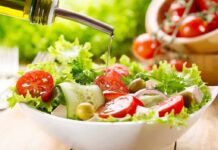
Cleveland Clinic-style lists also highlight citrus, pineapple, and other produce people already like eating. That’s the point: “diuretic” shouldn’t mean suffering. Build a day of high-water foods—melon at breakfast, cucumber and celery at lunch, asparagus or a big salad at dinner—and the swelling often eases by the next morning. This approach stays aligned with sanity and long-term habits rather than short-lived cleanse culture.
Protein’s Quiet Job: Keeping Fluid Where It Belongs
Most people think water retention equals “too much water,” so they drink less and get puffier. Another missed piece is protein. Adequate protein supports the body’s fluid balance by helping maintain the pressure that keeps fluid in your bloodstream instead of seeping into surrounding tissues. Practical sources make this easy: eggs, Greek yogurt, chicken, and other straightforward proteins that also help you avoid carb-heavy “snack spirals” that can pull extra water along.
That last detail matters for real life. Glycogen storage binds water, so big swings in carb intake can show up as scale noise and visible puffiness. Protein steadies appetite and makes meals more predictable, which keeps sodium and carbs from swinging wildly. For adults over 40, this is less about chasing a beach body and more about waking up comfortable, mobile, and not feeling like your skin is stretched.
Magnesium and Vitamin B6: Strongest Case in PMS, Mixed Beyond That
Supplement talk gets messy fast, so stick to what the research trend actually supports. Magnesium and vitamin B6 appear most consistently in PMS-related bloating discussions, with some studies suggesting magnesium around 250 mg per day may reduce water-related symptoms in that context. Vitamin B6 also shows up in older PMS research. Outside PMS, the evidence looks less decisive, so food-first choices remain the safest baseline.
If swelling is one-sided, painful, sudden, or chronic—especially with shortness of breath or known heart, kidney, or liver disease—diet tips aren’t enough.
A simple, realistic anti-puffiness day looks almost boring: potassium at breakfast, high-water produce at lunch, solid protein at dinner, and lower sodium across the board. The payoff is equally boring—in the best way. Your rings fit. Your shoes feel normal. Your face looks like you slept. The “secret” is that your body wasn’t broken; it was responding logically to the inputs you gave it.
Sources:
https://healthloftco.com/blog/natural-remedies-to-reduce-fluid-retention/
https://cabanasnutrition.com/en/diuretic-foods-fluid-retention-swelling/
https://www.orlandohealth.com/content-hub/8-ways-to-get-rid-of-water-retention/
https://www.tuasaude.com/en/diuretic-foods/
https://health.clevelandclinic.org/natural-diuretics
https://www.healthline.com/nutrition/6-ways-to-reduce-water-retention
https://tactilemedical.com/edema-treatment-diet/